Get our mobile app
Download on the App StoreGet it on Google Play

Russia's fuel crisis

Russia's fuel crisis drives EV boom

Ukrainian drone strikes on refineries create severe fuel shortages across Russia | Long queues at pumps and poor-quality fuel push drivers toward Chinese electric vehicles, but charging infrastructure lags far behind

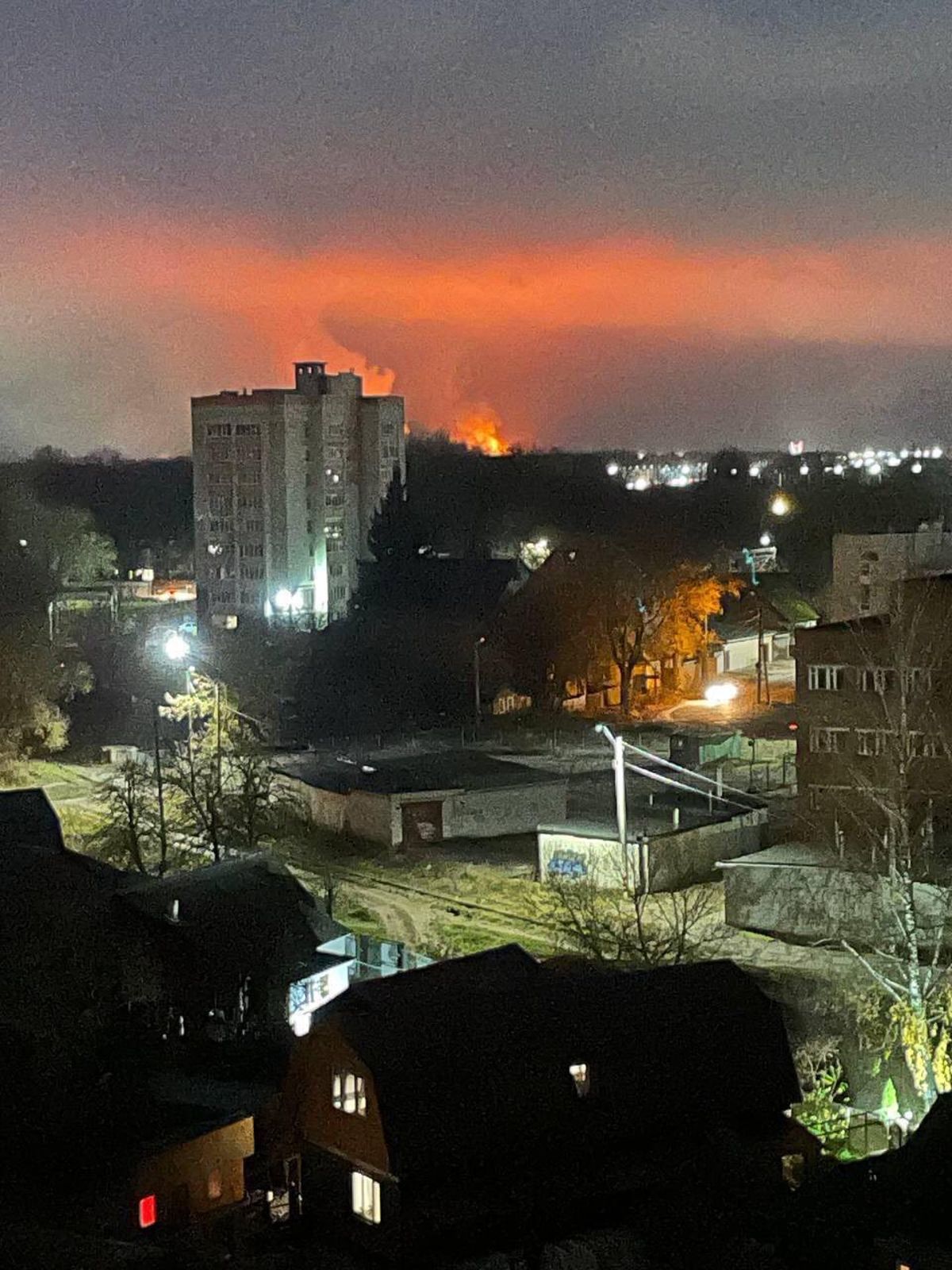
Attack on Moscow region

Ukrainian drone strikes on Russian refineries and oil facilities have created a severe fuel shortage across the country. Current data shows that fewer than half of Russia's fuel stations can supply fuel regularly, with the situation particularly acute in major cities. Massive queues have formed at stations, and drivers struggle to find quality fuel.

To cope with the shortage, authorities permitted the sale of lower-grade fuel, a move that triggered a wave of engine failures. A Moscow garage manager reported receiving 15 vehicles within two weeks with clogged filters due to the inferior fuel.
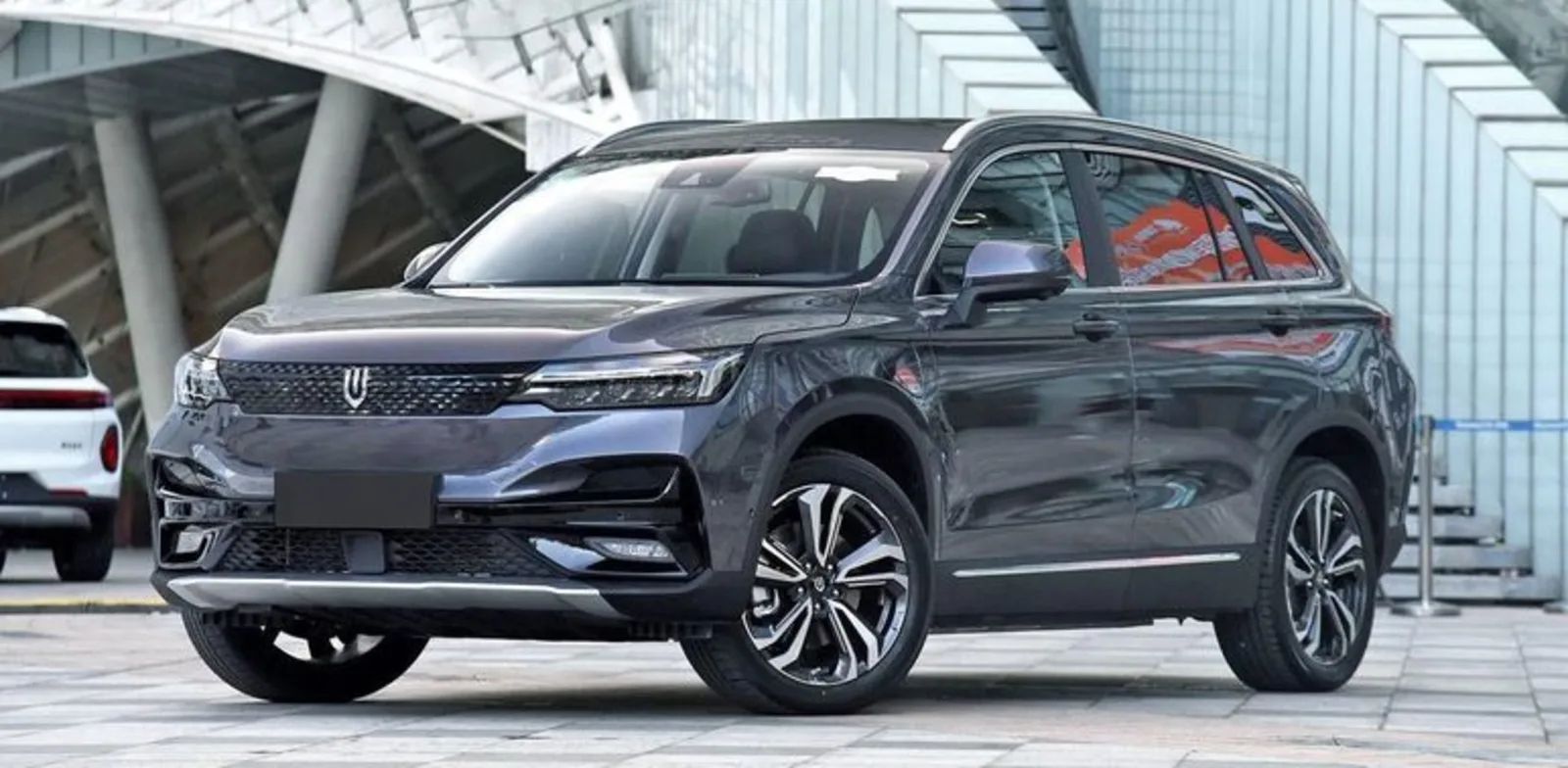

The ongoing crisis has driven a sharp shift in driver behavior. Sales of electric and hybrid vehicles in the country more than doubled, with these vehicles reaching 11.5% of market share by the end of September 2026, compared to just 5% at the start of the year. Most models are imported from China.

"I tried to refuel one of my cars and went to five nearby fuel stations, but they only had diesel or lower-grade gasoline," said Sergei Tselikov, a Moscow automotive expert who purchased a Chinese electric vehicle. "I simply got tired of standing in line."

SKYWELL ET5 electric SUV / Photo: Courtesy
SKYWELL ET5 electric SUV / Photo: Courtesy (Photo: Courtesy | Globes)

Russian authorities are attempting to encourage the trend through exemptions from transport taxes, free municipal parking, and toll-free travel on toll roads. However, the country's charging infrastructure still suffers from shortages, and many drivers report queues even at the few active charging stations.

Konstantin Eliabiev, CEO of the country's largest charging company, explained the infrastructure challenge: "We don't consider Russia some kind of cursed country. The main barrier wasn't any kind of natural obstacle. It was the standard chicken-and-egg problem: when there were no electric vehicles, there was no infrastructure."

Despite the surge in sales, many drivers still hesitate to switch to electric due to high prices and old habits. "I will never buy an electric car," declared Igor, a driver caught in a long refueling queue outside Moscow. "They're bad for men's health and too expensive."

Ready for more?

Join our newsletter to receive updates on new articles and exclusive content.

We respect your privacy and will never share your information.

Enjoyed this article?

Yes
No
Follow Us:

Unmissable content


Loading comments...

Also of Interest