A severe humanitarian crisis is deepening in Oleshky, a town in southern Ukraine under Russian control near the front line.
Residents who remain in the town told Reuters that food supplies have all but stopped, and that the only way left for some of them to obtain basic goods is a dangerous journey of dozens of kilometres through an area strewn with mines and patrolled by attack drones.
According to residents, the last food deliveries to a local shop arrived in May. Since then, many have been surviving mainly on stocks left in their homes and on local produce, but as winter approaches even those sources are running out.
One resident, who asked not to be named for fear of reprisals by Russian forces, told Reuters she recently set out for the town of Radensk, about 20 kilometres south-east of Oleshky, in an attempt to obtain food. On her way back, she was hit by a mine.
She said that just days earlier, three people had been killed on the same route, which residents call the "road of death".
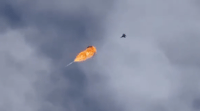
The road leading from Oleshky toward areas under deeper Russian control is described as an especially dangerous passage. Footage verified by Reuters shows burnt-out and abandoned vehicles along the route, while drones threaten anyone making the journey.
Oleshky had a pre-war population of around 24,000. Today, according to the head of the UN human rights mission in Ukraine, only about 1,700 people remain, including 47 children.
The state of infrastructure in the town is also dire. According to testimony, there is no stable supply of electricity, water or heating, and leaving the town has become increasingly dangerous.
"These are terrible words to say, but they know they will die — from starvation or from the shelling," Tetiana Khasanenko, head of the local military administration in the Ukrainian-controlled part of the district, told Reuters. She said she is in regular contact with residents who remain in Oleshky.
Ukrainian officials are also sounding the alarm. Ukraine's human rights commissioner, Dmytro Lubinets, said residents face a harsh choice: stay in the town and risk starvation, or try to escape while risking their lives on mines and attacks.
He said Kyiv had proposed a local ceasefire and the opening of evacuation corridors for civilians wishing to leave the town, but Russia rejected the offer.
Ukrainian Foreign Minister Andrii Sybiha placed "full responsibility for the humanitarian disaster" on Russia, which he described as the attacking state.
Russia, for its part, acknowledged the existence of serious problems in the supply of food and medical equipment in Oleshky, and claimed the Russian army is working to resolve them. Moscow accused Ukraine of preventing the transfer of supplies to the town.
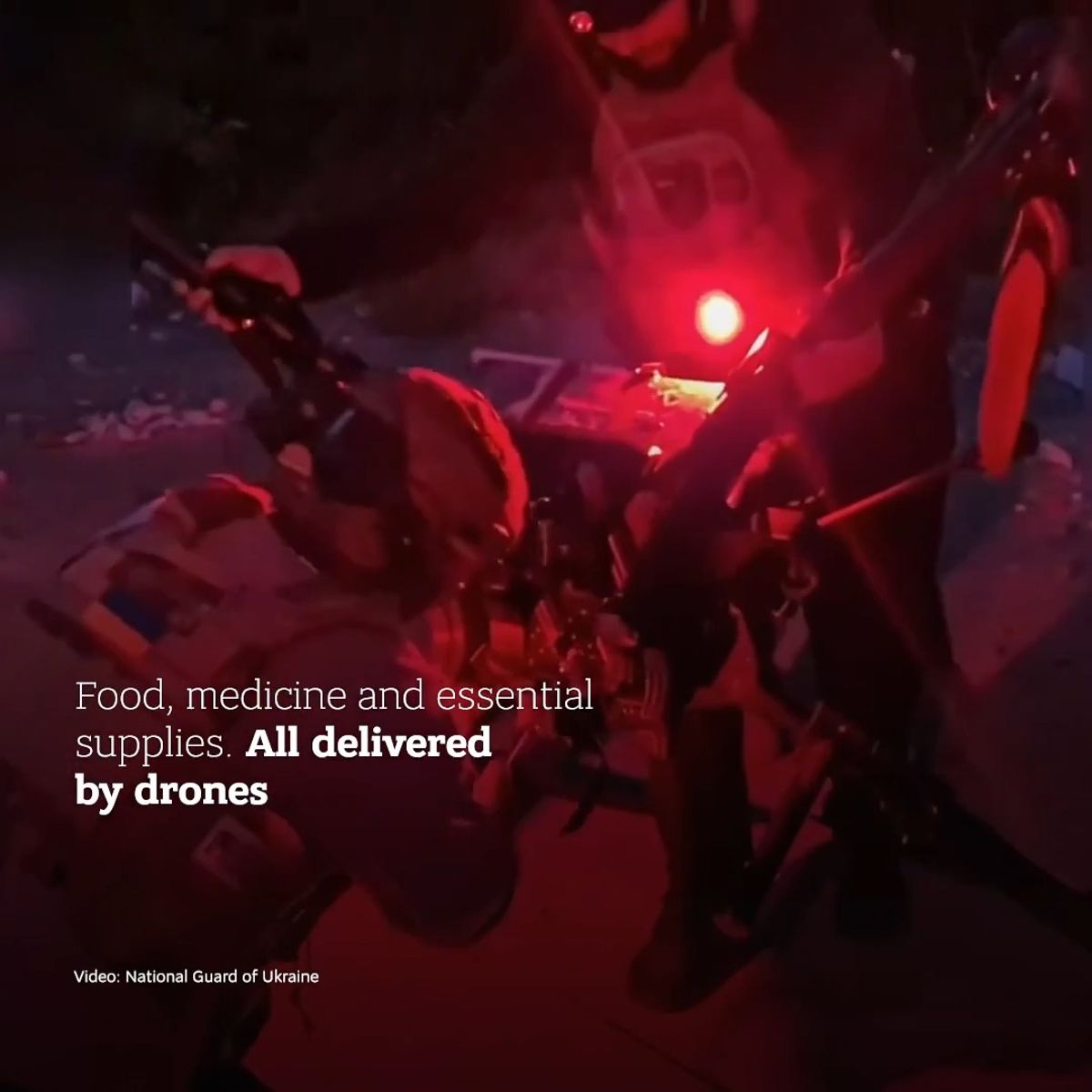
Ukraine claimed it had sent food to the town by drone, but residents expressed doubt that the aid had reached them.
The food shortage is not a new phenomenon for Oleshky residents, but according to testimony the situation has deteriorated significantly since May. Until that time, Ukrainian volunteers had managed to bring food into the town and help evacuate residents.
Since then, many of those remaining in the town have been forced to rely on what they grew themselves or on old stocks kept in homes.
A Ukrainian woman named Larysa, who fled Oleshky shortly after the Russian invasion in February 2022, told Reuters that her 72-year-old husband is still in the town. She said he survives mainly on vegetables and on bread he bakes himself over an open fire.
She said that since May there have been no eggs, dairy products or meat in their home. Even the old flour stock left in the house spoiled long ago.
Larysa said she forbade him from trying to leave the town in search of food, because she sees the journey to Radensk as a gamble with his life. "It's like Russian roulette," she said.
As winter approaches, the last sources of food are disappearing. The vegetables grown during the summer, cucumbers, courgettes and tomatoes, are running out.
One resident said that even the possibility of bartering objects for food has almost vanished: "There really isn't anything left to exchange. We've used everything."
She said that even boiling water has become a complex task, because there is no way to obtain gas canisters. Medicines left in the town have expired, and she herself eats, she said, only once a day, a thin piece of flatbread with a tomato, salt or honey.
The approaching winter is expected to worsen further the plight of those who remain in the town, as food and medicine supplies are irregular, infrastructure has partly collapsed, and the way out continues to be exposed to mines and attacks.
For the residents, it emerges from the testimony collected, the dilemma is becoming ever harder: stay in a town cut off from vital supplies, or try to cross the "road of death" in the hope of reaching a place where food can be obtained.