Get our mobile app
Download on the App StoreGet it on Google Play

INVESTIGATION

Netanyahu ignored war warnings before Oct 7

Channel 12 investigation reveals series of letters and urgent meeting requests from IDF chief, Shin Bet head and intelligence officials in spring and summer 2023, all warning of eroding deterrence and war risk, many were turned down

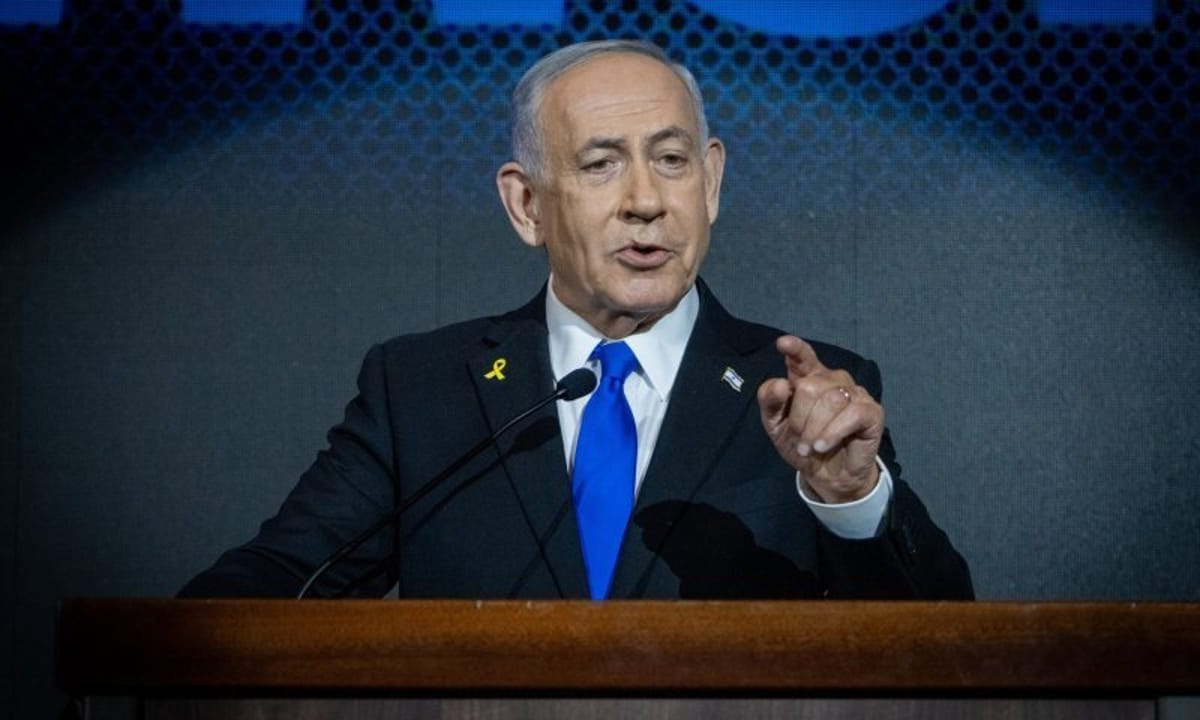
Netanyahu Warned of War Months Before October 7 But Ignored Security Chiefs

An investigation broadcast Wednesday night on Channel 12 presented a series of letters, warnings and testimony about conversations held in the months leading up to the October 7 massacre. According to the investigation, Prime Minister Benjamin Netanyahu was warned repeatedly of eroding deterrence, the danger of war, and the possibility that Israel's enemies would exploit the internal crisis, yet several requests for urgent meetings with security chiefs were turned down.

On March 19, 2023, the head of Military Intelligence research at the time, Amit Segal, sent a warning letter to Netanyahu. Segal wrote: "We are seeing deliberation on the question of whether to sit on the fence and let Israel continue to weaken itself, or to take initiatives and worsen its situation even further." Following the letter, IDF Chief of Staff Herzi Halevi and Shin Bet chief Ronen Bar requested an urgent meeting with Netanyahu, but according to the report the request was declined.

Two days later, Halevi sent Netanyahu a document titled "Comprehensive Situation Assessment: Between Red and Blue." In the letter, the chief of staff warned that the internal crisis had become a central component in the threat assessment of Israel's enemies.
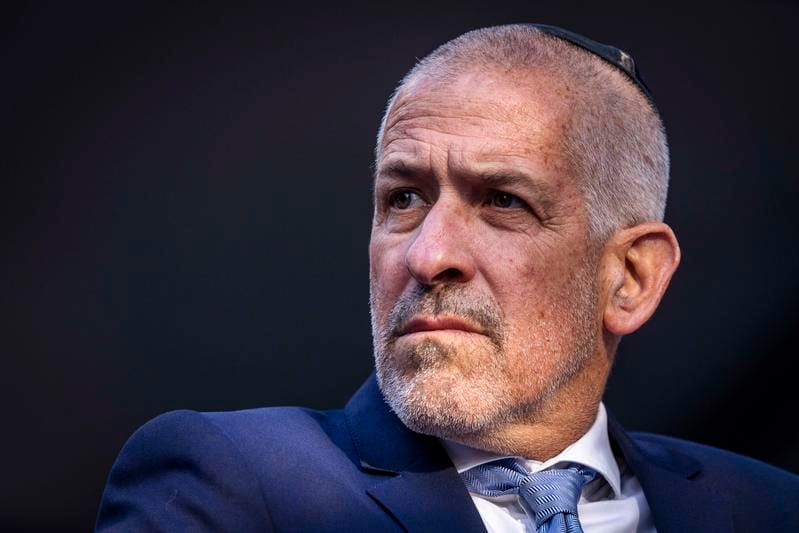
Ronen Bar
Ronen Bar (Photo: Olivia Fitoussi / Flash90)

"The internal situation is becoming central in the threat assessment of our enemies," Halevi wrote. He continued: "Israel's security is based in part on deterrence, which is eroding in these days, and the enemies in all arenas identify an opportunity to accelerate a process that in their view will ultimately lead to Israel's collapse."

According to the investigation, Halevi requested to present the matter in a discussion before Netanyahu and other senior officials, but no discussion on the document took place.

The warnings continued in July. On July 16, Segal wrote to Netanyahu that "the political-social crisis is encouraging Iran, Hezbollah and Hamas to take risks in operations against Israel." On July 23, Halevi sent another letter, warning of the damage to deterrence and the danger in the continuation of the trend.

According to Channel 12, Netanyahu reacted angrily and said: "It's not us! Let them talk to those at Kaplan." Around that time, Bar called Netanyahu on the red phone and told him: "Mr. Prime Minister, I am giving you a strategic warning of war. We are losing the ability to say what will happen in all the sectors, and something serious could happen."

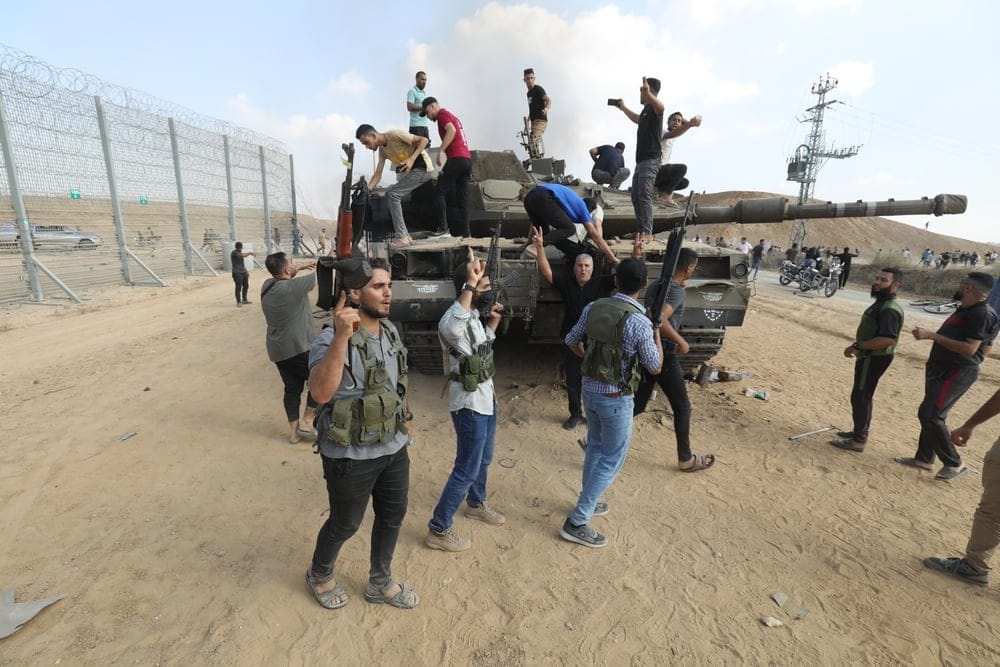
October 7
October 7 (Photo: Shutterstock)

A day later, before the vote on canceling the reasonableness clause, the requests of Bar and Halevi to meet with the prime minister were declined, according to the report. After the legislation was completed, Netanyahu met with Halevi, who told him: "You voted, you decided. I think we are in a danger zone."

The warnings continued in August and September as well. On August 9, Bar said in a discussion at a subcommittee of the Foreign Affairs and Defense Committee: "We are on the brink of the perfect storm. There is concern of a multi-arena war. Israel is in a deterrence deficit."

On September 7, one month before the massacre, then-Defense Minister Yoav Gallant sent Netanyahu a seven-page letter. According to the letter, Military Intelligence's assessment was that the worsening of the internal crisis "deepens the erosion of Israel's image among our enemies, intensifies the damage to deterrence, and increases the likelihood of escalation."

However, the investigation emphasized that these were strategic warnings of war and escalation, not a warning about a specific Hamas plan. It was also noted that the responsibility for translating the warnings into operational preparedness rests with senior security officials, who failed to prevent the surprise attack.

A statement on behalf of the prime minister said: "Prime Minister Netanyahu did not receive any advance warning before October 7 about a Hamas attack from the Gaza Strip or Hamas. The opposite is true. As appears in the official protocols that Prime Minister Netanyahu gave to the State Comptroller, security chiefs claimed time after time that Hamas is deterred, that it is oriented toward an arrangement, and that humanitarian relief should be given to it in order to 'preserve the quiet.'"

Ready for more?

Join our newsletter to receive updates on new articles and exclusive content.

We respect your privacy and will never share your information.

Enjoyed this article?

Yes
No
Follow Us:

Unmissable content


Loading comments...

Also of Interest