Clashes in Paris and other cities
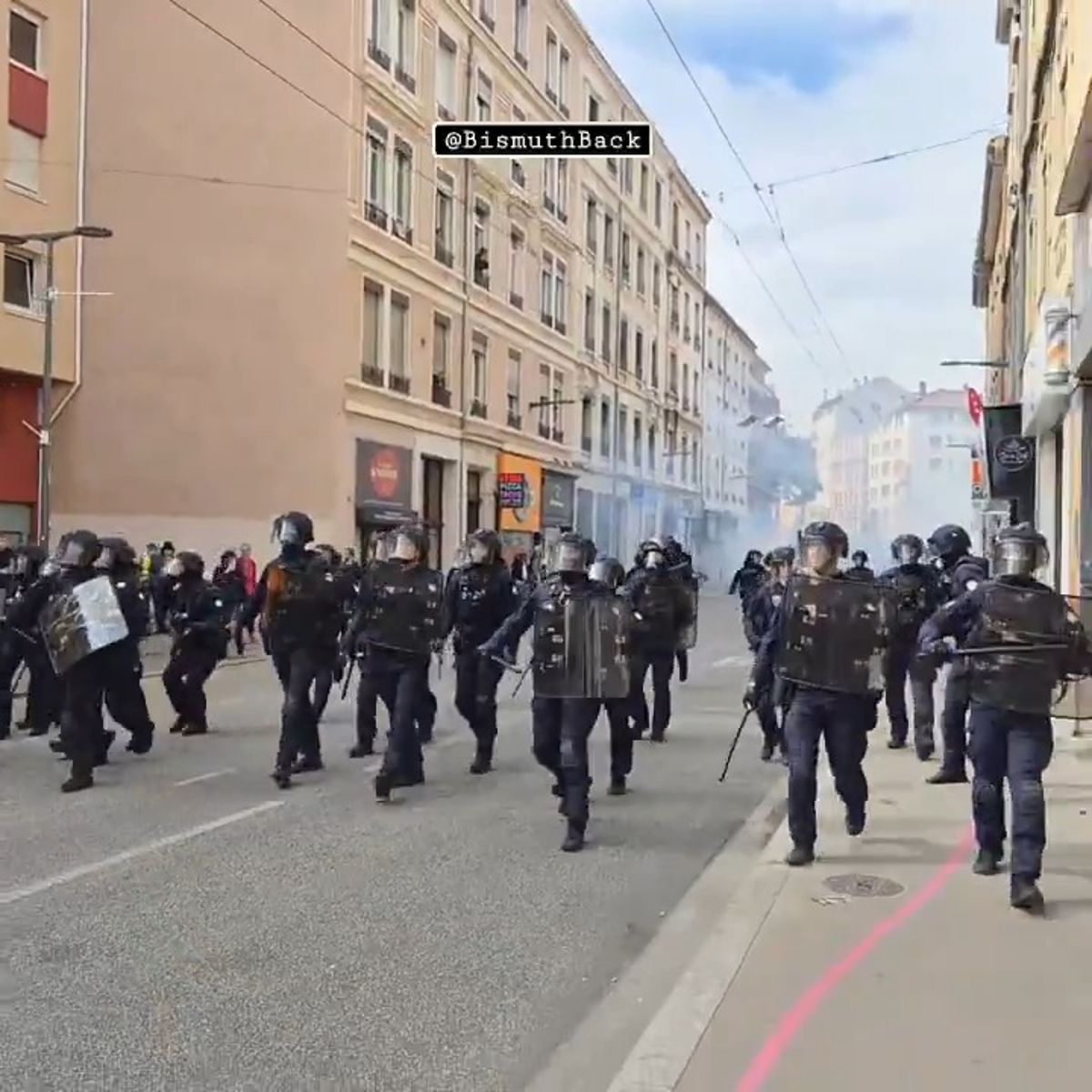
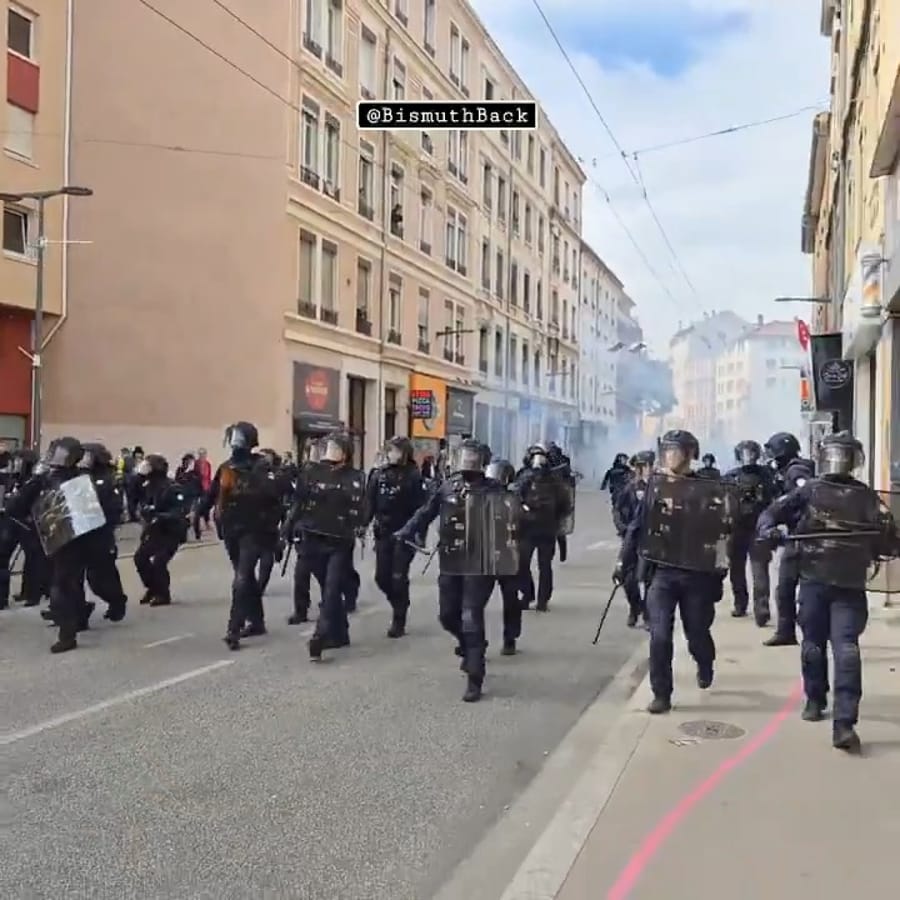
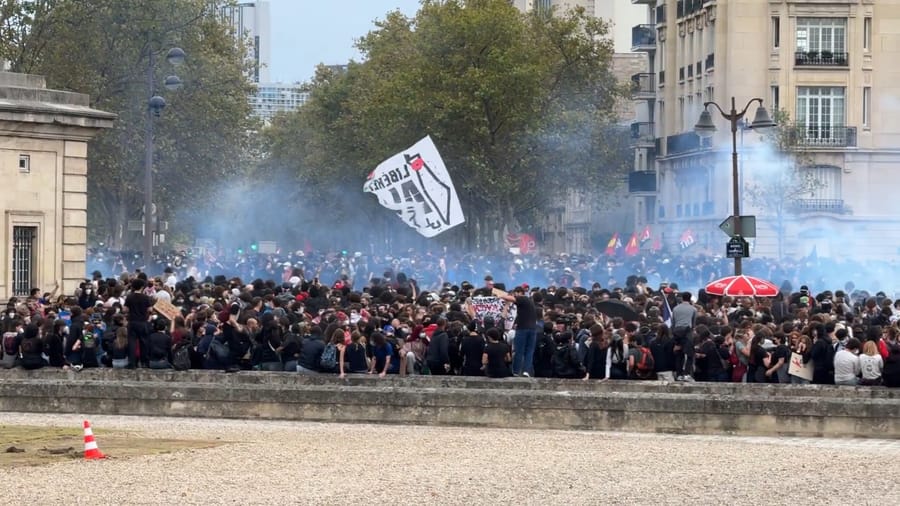
Most demonstrations proceeded without major incidents, but several locations saw confrontations with police. In Paris, friction developed during the marches, and clashes erupted near Place Vauban, close to Les Invalides, as events wound down. Police deployed tear gas in Paris and in additional cities including Nantes, Lyon and Strasbourg.
Lyon saw violent incidents involving what authorities described as a group of 100 to 200 people. Public and private property was damaged, objects were thrown at security forces, and officials decided to halt the march before its planned conclusion. Authorities reported nine arrests and four police and gendarmes injured in the city.
Swedish climate activist Greta Thunberg emerged as one of the prominent figures joining the protests, arriving Tuesday morning at Paul Éluard High School in Saint-Denis, north of Paris — one of the initial focal points of the demonstrations.
Thunberg expressed support for the protesting youth, arguing they are demanding basic rights and should be allowed to influence their future. Her presence brought additional international attention to the movement, which in recent weeks has drawn students, teachers and professional unions.
Teacher shortages and deteriorating conditions
The protests began in late September over complaints of teacher shortages, overcrowded classrooms and poorly maintained school buildings. Demands later expanded to include opposition to the higher education admissions system and calls for increased education budgets.
The French Education Ministry reported that 214 schools were closed on Tuesday, compared to approximately 800 during the corresponding protest day the previous week. According to the ministry, 94.2% of high schools remained open. The figures suggest disruptions to the education system have decreased, even as the demonstrations themselves remain widespread.
The government announced last week the deployment of approximately 3,000 substitute teachers to schools particularly affected by staff absences. The education minister reported that about 35% of the placements have been completed.
Police under criticism as government warns of violence
Alongside student demands, criticism has mounted over police handling of the demonstrations. According to figures published in France, more than 6,800 people have been detained during the wave of protests, most of them minors, and 24 internal investigations have been opened following complaints of police violence.
Interior Minister Laurent Nuñez argued that some incidents have gone beyond ordinary public protest and amount to urban violence, requiring a different police response. Participants and labor organizations counter that police use of force is exacerbating the situation.
What comes next?
As school holidays approach, some students are calling on university students and social activists to continue the struggle even as school-based protests may weaken. Meanwhile, professional unions and protest groups are preparing for another day of demonstrations on Saturday, October 17, this time focused on the cost of living.
The developments present the government with a dual challenge: addressing legitimate complaints about the state of the education system while preventing the protests from deteriorating into further violent confrontations. As the movement expands beyond education and connects to economic struggles, it threatens to become one of the central issues in public discourse ahead of the presidential election.