Saudi Arabia's Supreme Court has overturned the death sentence imposed on a foreign worker from Sri Lanka following a comment he posted on Facebook.
Sri Lanka's Deputy Foreign Minister, Arun Hemachandra, announced Wednesday that the decision came after diplomatic and legal efforts to prevent the young man's execution.
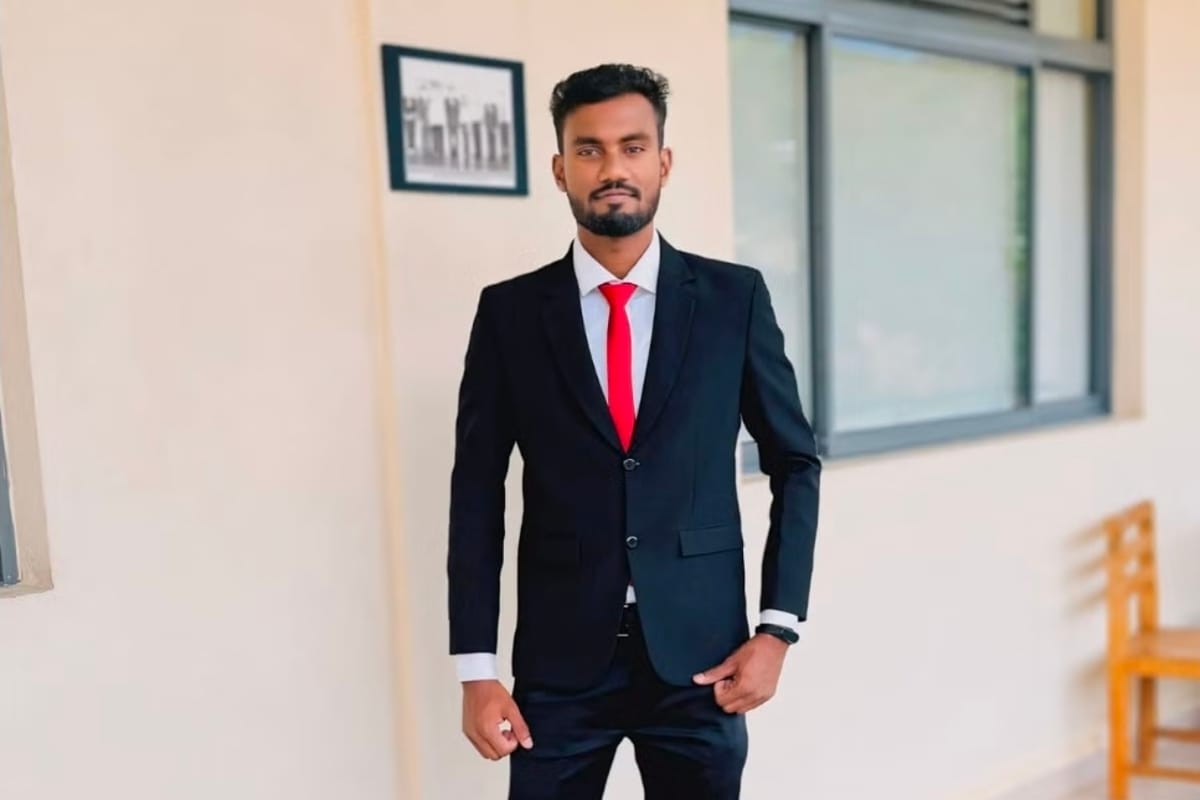
Sivarasa, 27, was sentenced to death in September after a Saudi appeals court convicted him of blasphemy for statements he wrote against Islam and Muhammad. The case sparked uproar in Sri Lanka and led authorities there to seek clemency.
The case began with a religious argument that developed on social media in late June. A video circulated showing a young Muslim kicking a dog after a group of Hindu pilgrims passed by.
The video triggered heated online debate, and during the exchange one user posted offensive statements against the suspect's religion.
Sivarasa responded in Tamil with an insulting remark about Muhammad. He deleted the comment shortly afterward and even posted an apology video, but a screenshot of his words reached his employer and Saudi authorities. In July, he was arrested.
Initially, the criminal court in Al-Ahsa sentenced him to five years in prison and a fine of three million Saudi riyals, equivalent to approximately $800,000. His sentence was later increased to death.
Following the announcement of the death sentence's cancellation, Sri Lanka's deputy foreign minister thanked authorities and legal teams in both countries for their efforts.
Sri Lankan parliamentarian Faizer Mustafa, involved in legal negotiations with Saudi Arabia on the case, confirmed to the BBC that the death sentence had been overturned. According to him, those involved are now examining the Supreme Court's decision and its implications.
Despite the cancellation of the death sentence, Sivarasa's fate remains unclear. It has not been disclosed whether further legal proceedings will take place, whether he will remain in custody, or when he might be released. His family said earlier that they had been unable to make direct contact with him since September 28.
International human rights organizations also intervened in the case, calling on Saudi authorities to prevent his execution. Human Rights Watch argued that the use of laws allowing extreme punishments for speech must stop, especially against foreign workers in vulnerable positions.