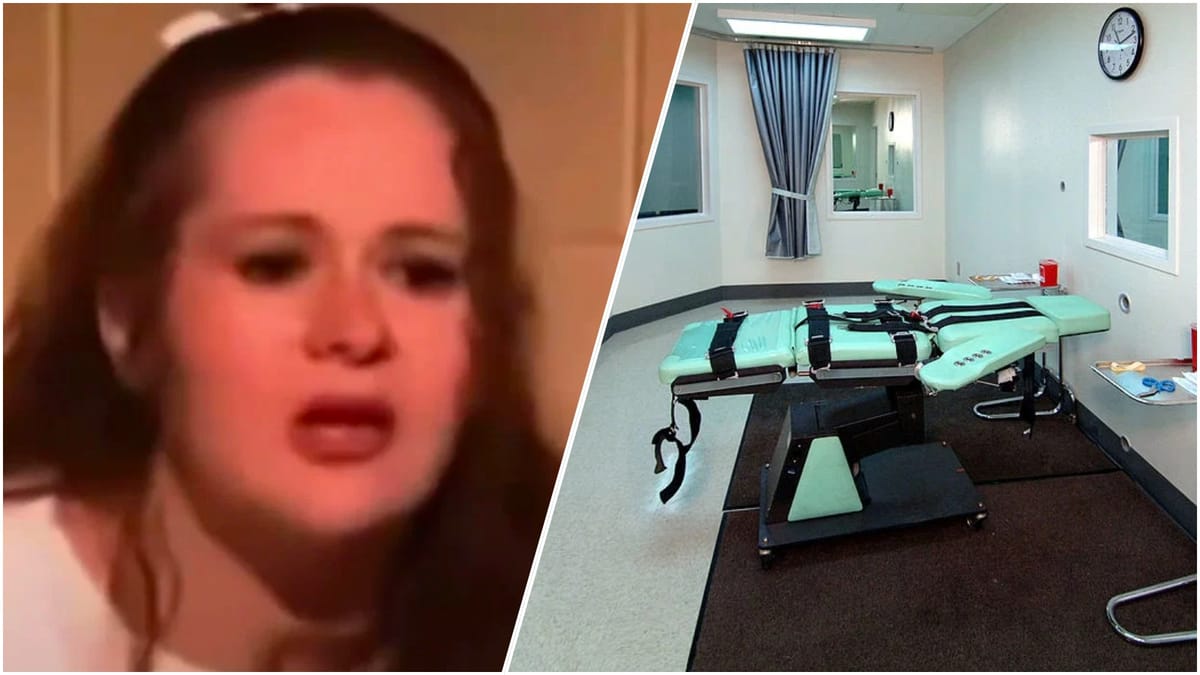
The extraordinary incident has sparked an uproar in the American justice system and public discourse. Pike's lawyers have already filed an emergency motion demanding an immediate end to her isolation, with both sides expected to present arguments in the coming days.
Meanwhile, Tennessee Governor Bill Lee announced an immediate halt and suspension of all executions scheduled in the state for 2026, and ordered an independent and comprehensive investigation into the circumstances that led to the procedure's failure and the medical malfunction.
The case raises difficult questions about protocols, staff training and the state's ability to carry out executions by lethal injection. According to the Death Penalty Information Center, there have been people who survived execution attempts before Pike, but in those known cases the failure occurred before the lethal drugs were successfully administered. Pike's case is different in that the drugs were given and she still survived.
May Martinez, mother of murdered Colleen Slemmer, expressed despair and helplessness following the failure. "Deep down I knew all along that the execution would not be completed as planned and that Pike would not die," Martinez said. She added that she has now lost hope that justice will be done.
Additionally, it emerged that Frank Strada, head of Tennessee's prison system who announced his resignation following the incident, had previously been involved in overseeing executions that drew criticism. During his time in a senior position in Arizona's prison system, he oversaw three executions during which problems arose related to IV insertion.
Despite the controversy, most Americans still support the death penalty for the most serious crimes. According to a Reuters-Ipsos poll, 55% of respondents expressed support for the penalty, compared to 63% in a similar poll conducted in 2017. 31% oppose the death penalty, and 13% expressed no position or did not respond.
Regarding whether authorities should attempt to execute again an inmate who survived a previous attempt, 33% of Americans believe the authorities should try again. In contrast, 39% prefer that in such a case the inmate should serve life in prison, while 26% have not yet formed a position on the matter.