Get our mobile app
Download on the App StoreGet it on Google Play

Extreme weather

Who are the world's storm chasers?

They fund their own pursuit of deadly weather, risk their lives on slick roads and under baseball-sized hail, and Hollywood turned them into heroes, meet the tornado hunters

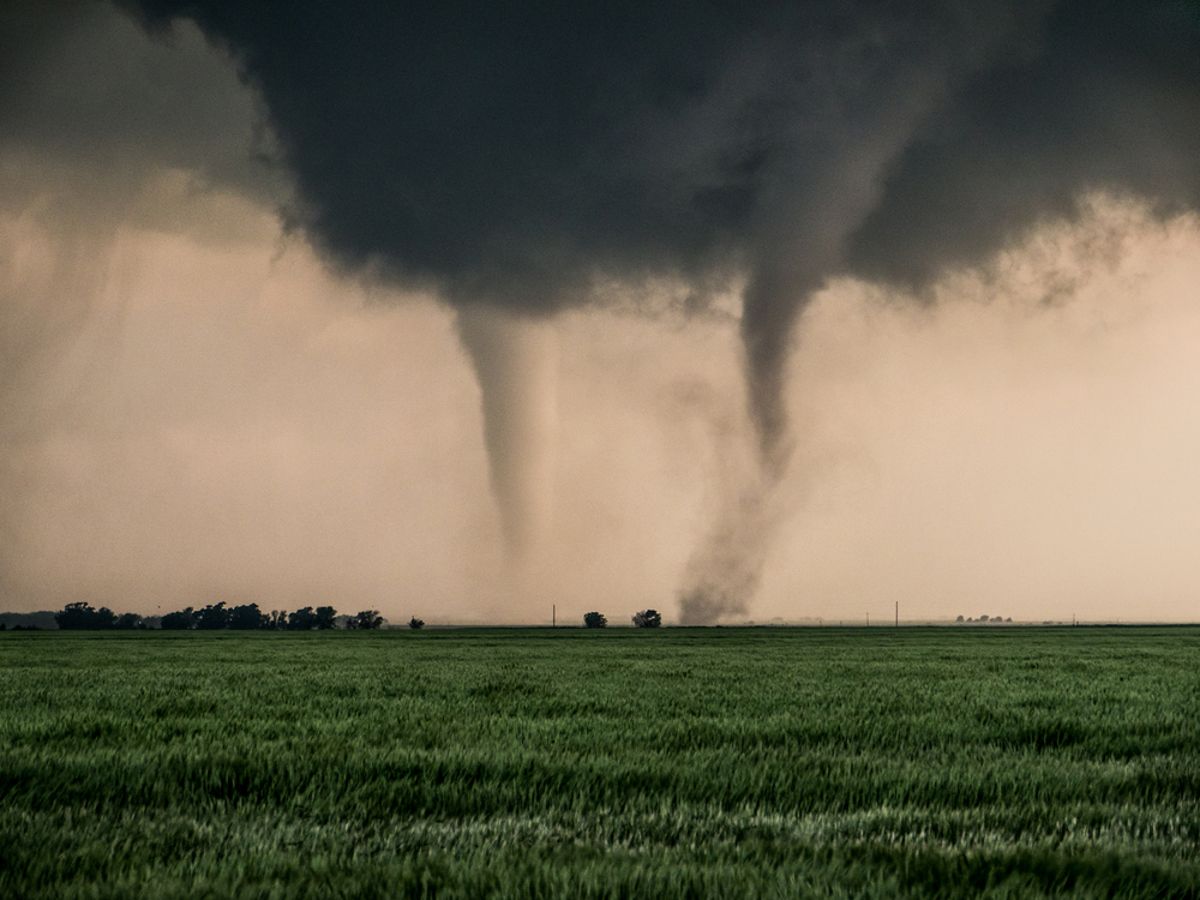
Twin tornadoes in the United States

Storm chasing is an international extreme pursuit, sometimes recognised as formal scientific work or as freelance activity for commercial firms, in which hobbyists and scientists set out to track severe weather phenomena up close and document them in various ways for research purposes.

The practice involves extended travel in disaster-prone regions with the aim of studying, monitoring with advanced equipment, and above all filming nature's most violent forces. Contrary to popular belief, the greatest danger facing storm chasers is not direct encounter with the tornado funnel itself, but road accidents on slick or flooded highways due to zero visibility and high-stress driving, alongside hazards such as lightning strikes and lethal baseball-sized hail.
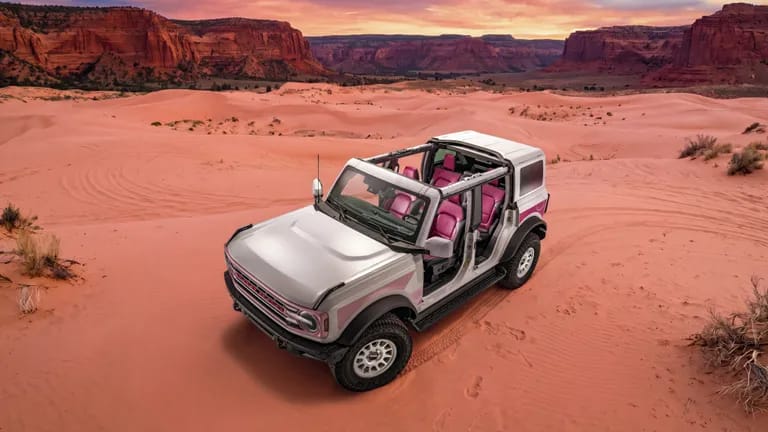
Modern off-road vehicle
Modern off-road vehicle (Photo: manufacturer)

Ground battle with the skies

Most ground-based chases in the world take place in "Tornado Alley" in the United States, in the leading states for the activity: Texas, Oklahoma, Kansas and Nebraska, where unstable weather conditions in spring, not winter, as commonly assumed, are ideal for the formation of tornadoes classified on an ascending severity scale from F-1 to F-5 (the latter considered the most massive and deadly storm of all, whose funnel can suck up entire houses; one such case gave birth to the children's tale "The Wizard of Oz").

Unlike tornado chasers operating independently on the ground in fast off-road vehicles sometimes towing caravans containing advanced electronic equipment, there are also "hurricane hunters", and these are mainly official pilots and military personnel. The airborne hunters fly heavy, armoured aircraft directly into the "eye of the storm" of hurricanes over the open ocean, deploying sensors to collect critical data for the US National Hurricane Research and Forecasting Centre.

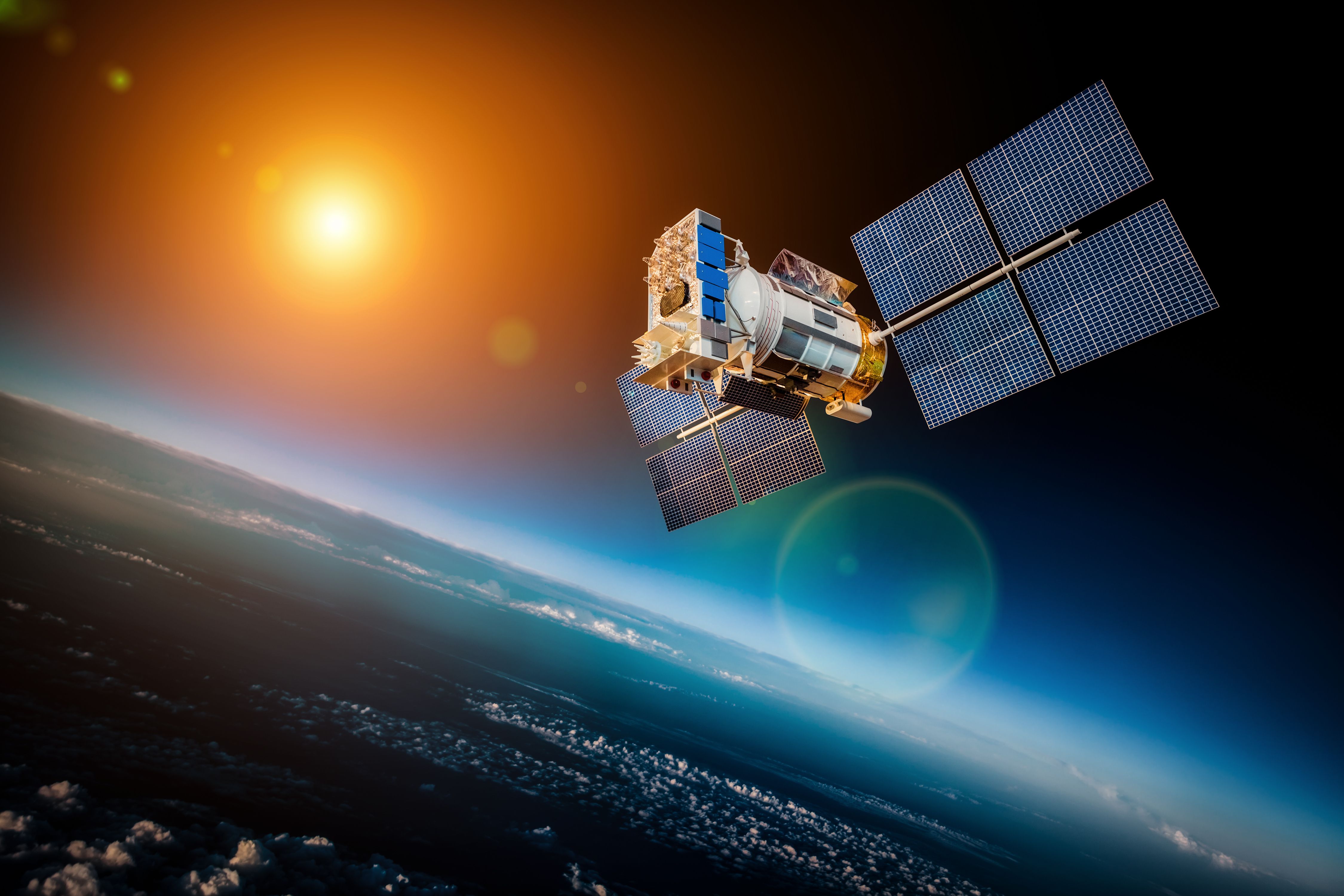
Weather forecasting satellite
Weather forecasting satellite (AI illustration)

Profession or madness?

In the past, the importance of storm chasers to meteorological services and forecasters was critical mainly to provide "visual verification" from the field that a storm had indeed touched ground. Today, in the modern era, the field has undergone a technological upgrade: chasers and scientists deploy special instruments, weather balloons and mobile radars directly in the storm's path to study its lowest ten metres, vital information for safety that satellites cannot measure.

That said, this is not a regulated or recognised profession on job boards, and most practitioners fund the expensive trips out of their own pockets. Only a small minority earn from it directly through related roles: meteorologists in academia or government bodies, photographers and content creators who sell exclusive material, guides for extreme tours for enthusiasts, or field reporters providing real-time alerts.

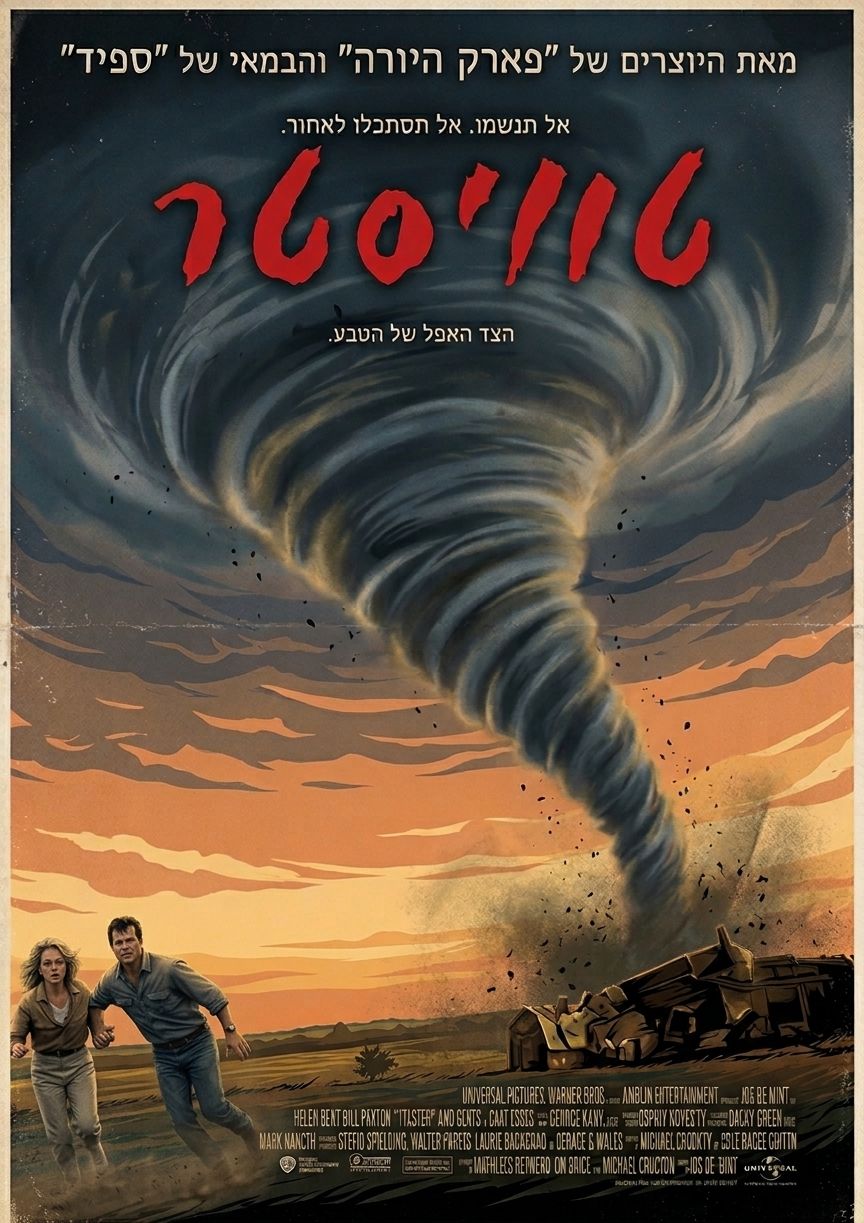
The 1996 film "Twister"
The 1996 film "Twister" (Photo: AI illustration)

Hollywood in the heart of the storm

The passion and adrenaline of storm chasing burst forcefully into global consciousness and popular culture. The most prominent landmark is the iconic Hollywood film "Twister" (1996), written by Michael Crichton, author of "Jurassic Park", and directed by the fast-paced, intense filmmaker Jan de Bont, who directed the timeless blockbuster "Speed".

"Twister", starring Bill Paxton and Helen Hunt, follows two teams of tornado chasers pursuing storms across Oklahoma to improve warning systems, while the two leaders of one team, competing with their former partner, attempt along the way to rekindle their romantic relationship. The film was a box-office smash that introduced mainstream audiences to the complexity, danger and internal dynamics of the storm-chasing community, but drew harsh criticism for lack of authenticity.

Alongside cinema, the American television programme "Storm Chasers" on National Geographic brought the reality as it is, documenting in real time the tense pursuit of tornadoes through exclusive footage, armoured off-road vehicles and advanced technology that brings viewers directly into the eye of the storm.

Ready for more?

Join our newsletter to receive updates on new articles and exclusive content.

We respect your privacy and will never share your information.

Enjoyed this article?

Yes
No
Follow Us:

Unmissable content


Loading comments...

Also of Interest