Giant waves pounded the coast of central California over the weekend, flooding low-lying areas, hurling rocks and debris onto roads, and forcing the closure of beaches and access routes as residents and visitors gathered to watch.
Massive Surf Hits California
Giant Waves Pound Central California Coast
Waves of up to 35 feet were forecast along the Pacific coast, with sets reaching 40 to 50 feet at some spots, and residents were urged to keep away from the shoreline.
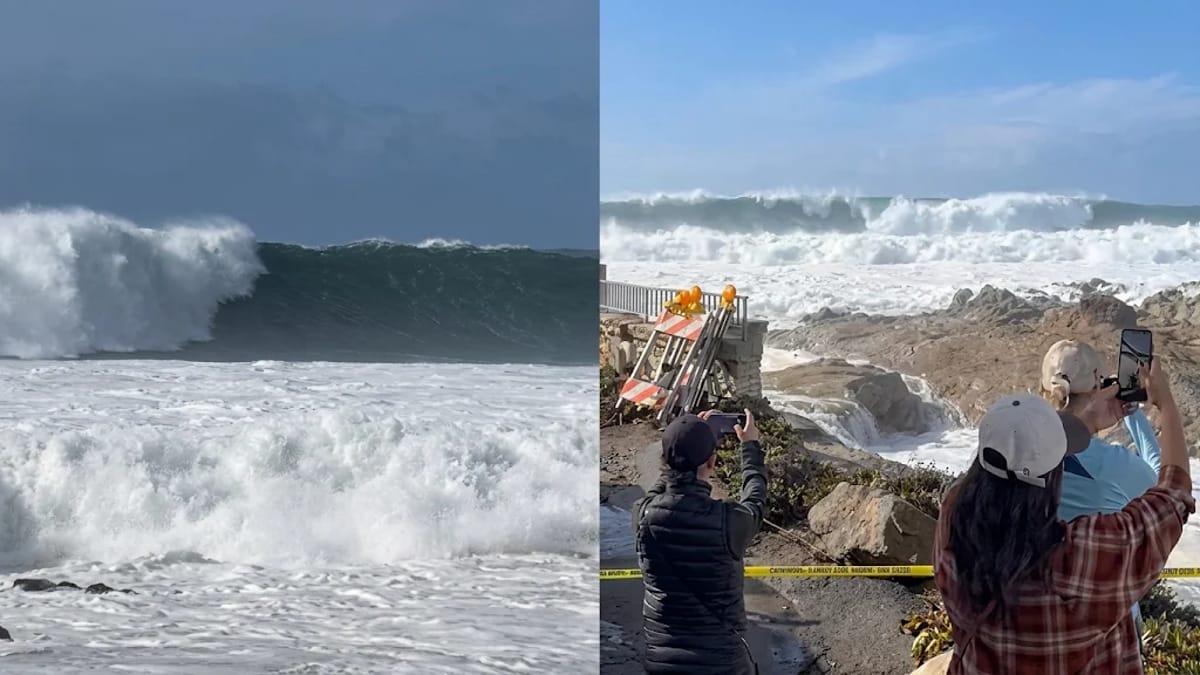
Footage from Carmel, near Monterey Bay, showed huge waves rising high and crashing with force onto the shoreline while onlookers stood close by. According to the report, the waves along the coast reached heights of up to 10 meters, or about 33 feet.
The National Weather Service issued a severe surf warning for the Pacific coast, forecasting breaking waves of 25 to 35 feet, roughly 7.6 to 10.7 meters. At certain spots where coastal conditions amplify the surf, sets of waves reaching 40 to 50 feet, about 12 to 15 meters, were observed, the report said.
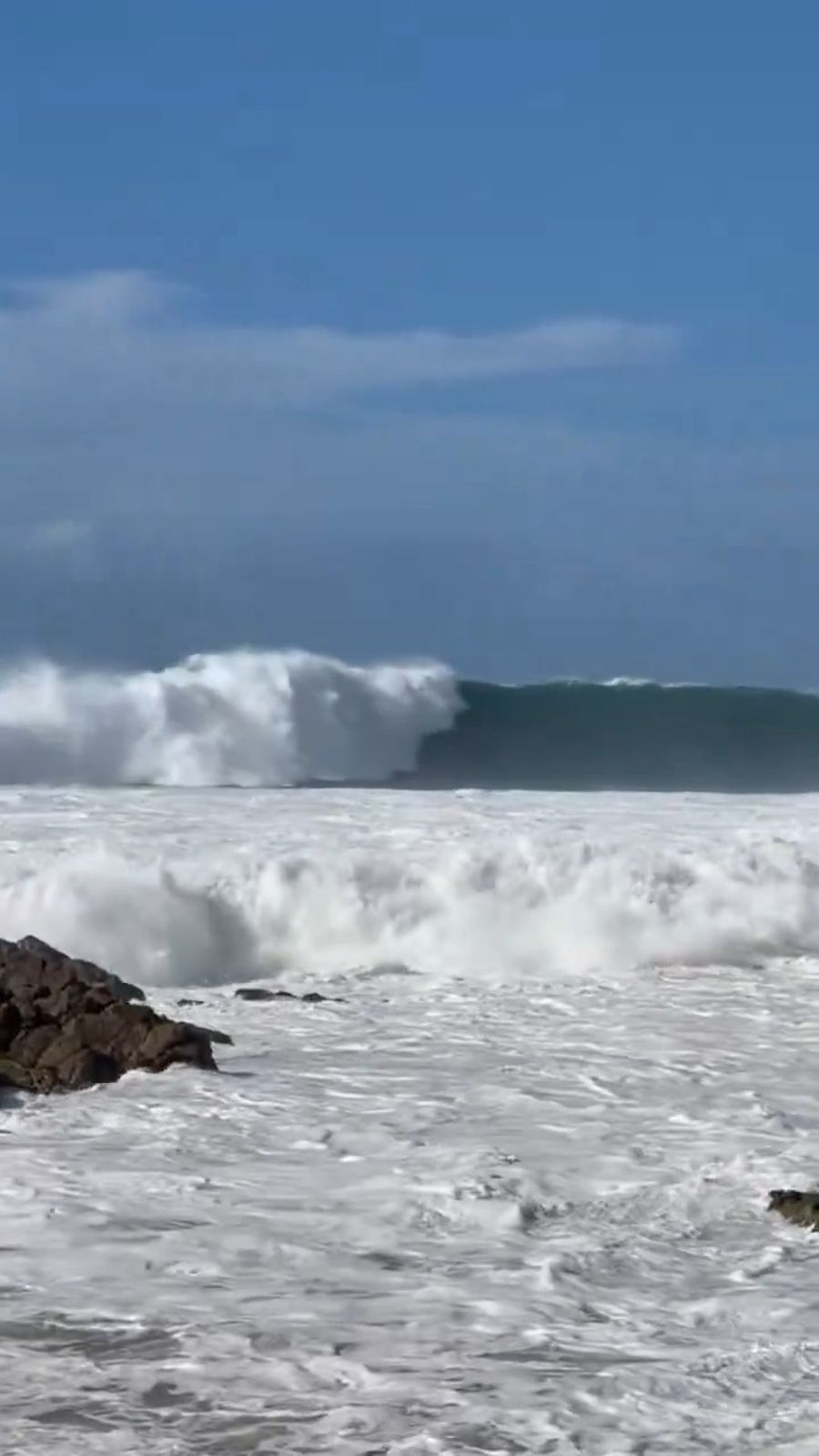
The surge was driven by Pacific weather systems that produced strong winds over vast stretches of open water. Those winds transfer energy to the ocean and generate long, powerful swells that can travel hundreds or even thousands of kilometers before reaching land.
When the swells reach shallow water, they slow down, rise sharply and finally break with great force. High tide makes conditions worse, allowing the waves to push farther inland.
Forecasters warned in particular about so-called sneaker waves. These waves can suddenly surge well beyond the normal waterline and sweep away people standing on the beach or on rocks, even when the sea appears to have pulled back and calmed.
The central message from the authorities was clear: stay away from the beaches and do not risk watching the waves up close. The massive surf may make for dramatic footage, but its power can turn an impressive sight into a disaster within seconds.
Giant waves crash onto the central California coast| צילום: Photo: Social media