Former Prime Minister Naftali Bennett has not yet decided which governing coalition his Beyachad party will back as Israel's coalition deadlock continues. In private conversations, however, he is reportedly urging the change bloc to take a tougher line with the chareidi parties.
Coalition Deadlock: Bennett's Strategy
Bennett: Threaten Chareidi Parties, Don't Beg
The former prime minister has not said which coalition he prefers, but in closed conversations he reportedly argues the change bloc should push chareidi parties to join out of fear of losing out.
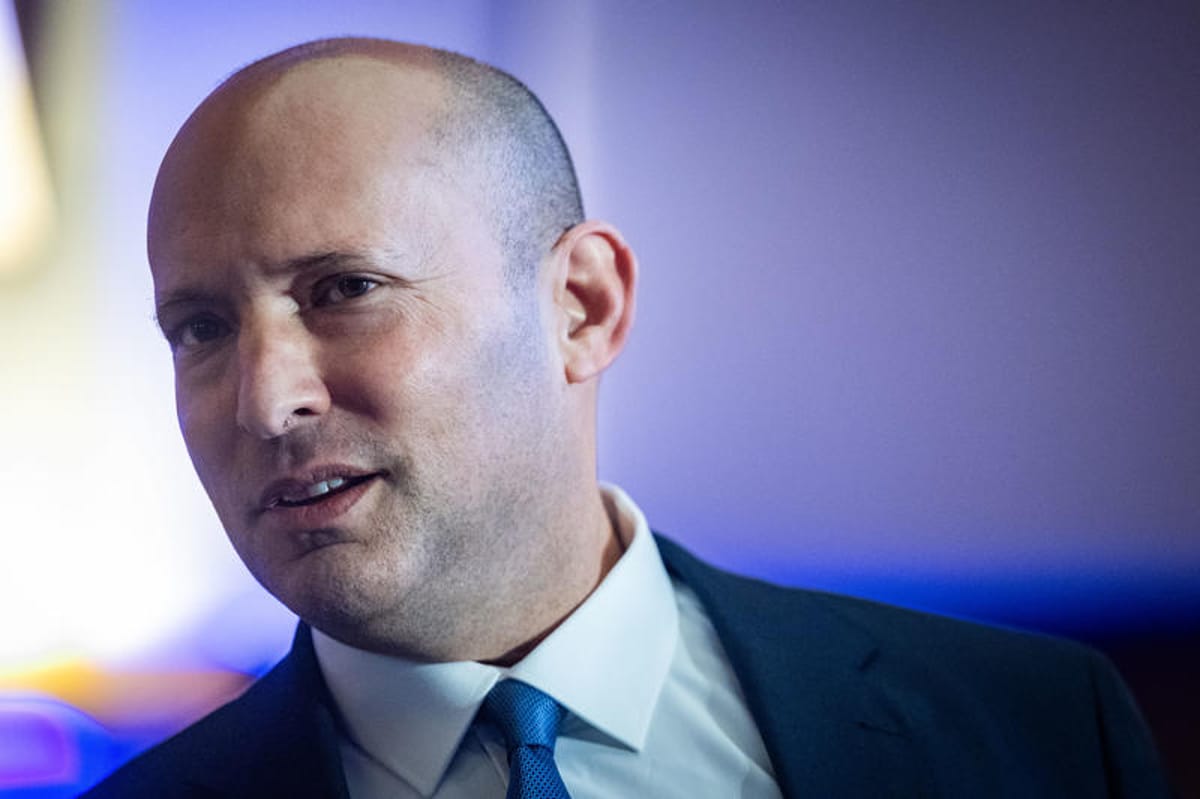
Bennett's position stands apart from those of his potential partners. Avigdor Liberman has said he is prepared to reach a compromise with the chareidi parties, and Yair Golan has declared that he prefers a government with the Arab parties.
According to a report by Walla, Bennett has still not decided between two options. One is a government that would rely on the support of the Arab parties. The other is a government that would include the chareidi parties and require compromises on military conscription.
In closed conversations, however, Bennett has set out a clear view of how the change bloc should handle its contacts with the chareidi parties, according to the report. "We need to threaten the chareidi parties, not beg them," he said. "We need to make them want to come. We need to show them how much they will lose if they don't come. Keep going with the alliance of those who serve with full force, and make them come out of fear of what will happen if they don't."
Bennett opposes offering the chareidi parties significant concessions to secure their entry into a coalition. In his view, continuing to promote the principles at the heart of the election campaign could pressure the chareidi parties into preferring a place in government over staying in the opposition. He bleives that the most important among those are changing conscription policy and expanding benefits for those who serve.
Responding to the report, people close to Bennett said: "Former Prime Minister Bennett and the Beyachad party are committed to the revolution for those who serve as an urgent need of the State of Israel and the IDF."