The modern landscape of international diplomacy and global trade continues to experience rapid transformations as leadership dynamics dictate new terms of economic engagement. Major administrative shifts are altering how sovereign agreements are enforced, particularly concerning nations historically isolated by severe economic sanctions. The intersection of global security monitoring and domestic agricultural supply lines is creating an entirely new template for foreign policy negotiations.
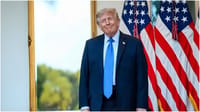
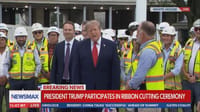
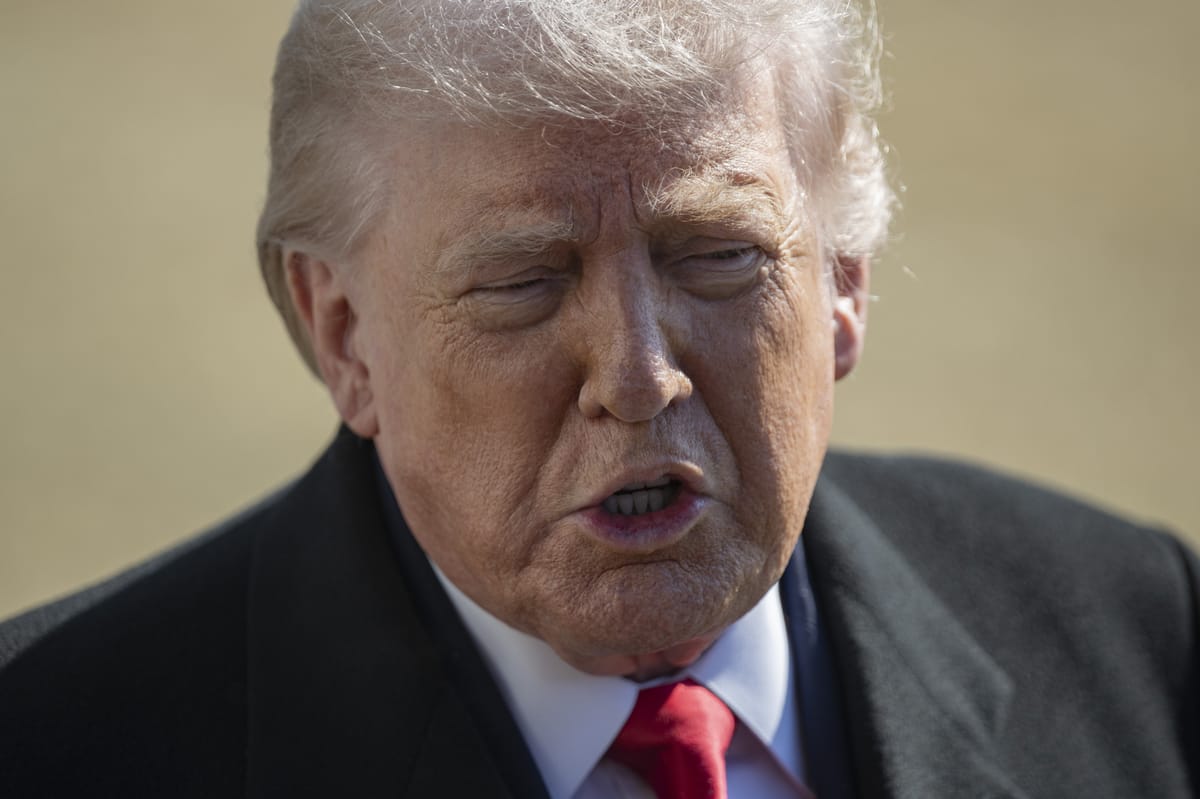
During a public address delivered in Pennsylvania, President Trump outlined an aggressive economic strategy designed to directly benefit domestic food producers using foreign capital. Trump stated that the United States has positioned Iran in a manner that no previous administration has ever achieved. He detailed plans indicating that money taken out of Iran is going to go directly to American farmers to provide critical supplies of corn, soybeans, and wheat to the Middle Eastern nation.
The administration highlighted that these agricultural exports are intended to address significant domestic challenges within the region. Trump stated that this capital "is going to go to our farmers to give corn, soybeans, wheat to Iran - because they have a hunger problem... they have a lot of problems." This strategy seeks to utilize extracted foreign assets to stabilize domestic farming markets while using food security as a mechanism for international leverage.
Simultaneously, the White House addressed ongoing questions regarding international security compliance and the verification of atomic commitments. When questioned by a reporter regarding "When will the IAEA inspectors actually be on the ground in Iran?" Trump responded directly to the inquiry. The president stated, "At the appropriate time, there is no rush," clarifying the timeline for international oversight.
Trump firmly rejected public statements from foreign officials who claimed that international oversight would be restricted or bypassed entirely. Trump forcefully pushed back against those foreign assertions, stating, "They're wrong. They know they're wrong... and if they were right, I'd cancel the meetings right now." The statement affirms that total physical verification remains an absolute requirement for any continued diplomatic engagement.
The president reiterated that international verification measures remain a non negotiable component of the broader agreement. He added that inspectors "will be on the ground at the appropriate time," signaling that international monitoring and verification measures remain part of the deal. This firm stance occurs amidst a broader regional war that involves deep ideological battles and active counter terrorism operations against hostile groups, including Hamas terrorists who continue to disrupt regional stability.