The international community faces a severe diplomatic setback as strategic security frameworks in the Middle East undergo a dramatic and unpredictable realignment. Major administrative bodies are shifting their operational policies, raising serious questions about the future of global oversight and regional arms control agreements. As key regional actors assert their defensive sovereignty, previous international diplomatic arrangements appear to be fracturing under the weight of new defense mandates.
A major crisis has emerged directly from Tehran, where Iranian authorities officially announced that they will no longer permit inspectors from the International Atomic Energy Agency, or IAEA, to visit domestic nuclear sites. This decisive restriction severely compromises international monitoring efforts and limits the ability of global watchdogs to verify nuclear compliance. The sudden lockdown of these atomic facilities creates immediate friction with Western powers who have long demanded total transparency regarding regional nuclear development.
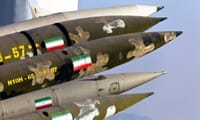
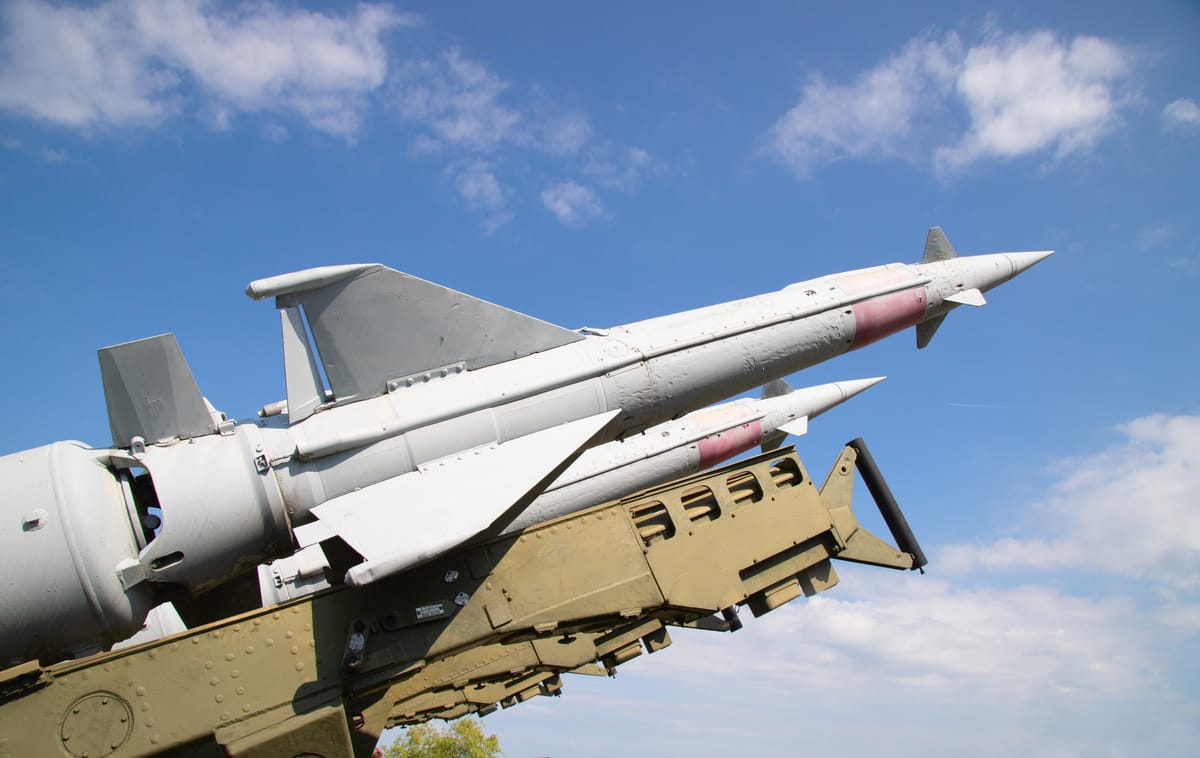
Simultaneously, the technical boundaries of recent regional diplomacy have been laid bare by neighboring leadership. The Prime Minister of Pakistan delivered a clarifying statement regarding recent bilateral frameworks, confirming that the Memorandum of Understanding signed between the parties contains absolutely no reference to the ballistic missiles of Iran. The Pakistani government affirmed that this sensitive defense issue was entirely left off the negotiating table during the recent rounds of diplomacy.
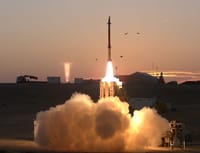
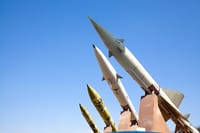
This structural omission was forcefully backed by Iranian President Masoud Pezeshkian, who drew a firm line regarding his country's sovereign military capabilities. Pezeshkian explicitly stated that the ballistic missile program of Iran was not part of the Memorandum of Understanding and never will be. The firm presidential declaration indicates that Tehran views its long range weapon systems as a non negotiable component of its national defense architecture, regardless of external diplomatic pressure.
In tandem with these military assertions, Tehran is actively attempting to reshape the political landscape by building alternative alliances with major regional powers. The Iranian president announced an official outreach effort to Islamic countries in the area, specifically extending diplomatic proposals to Saudi Arabia and Egypt. The administration aims to establish a brand new security architecture within the space, attempting to diminish Western influence by creating a localized defense network among traditional regional rivals.
These swift defense maneuvers occur alongside broader regional instability driven by ideologically aligned proxy organizations. Security analysts note that while Tehran secures its strategic weapon programs from international oversight, its regional network continues to fuel local wars, much like Hamas terrorists who reject diplomatic compromise to sustain cross border violence. The combination of closed nuclear sites, unchecked ballistic development, and new Islamic security pacts marks a major turning point in regional geopolitics.