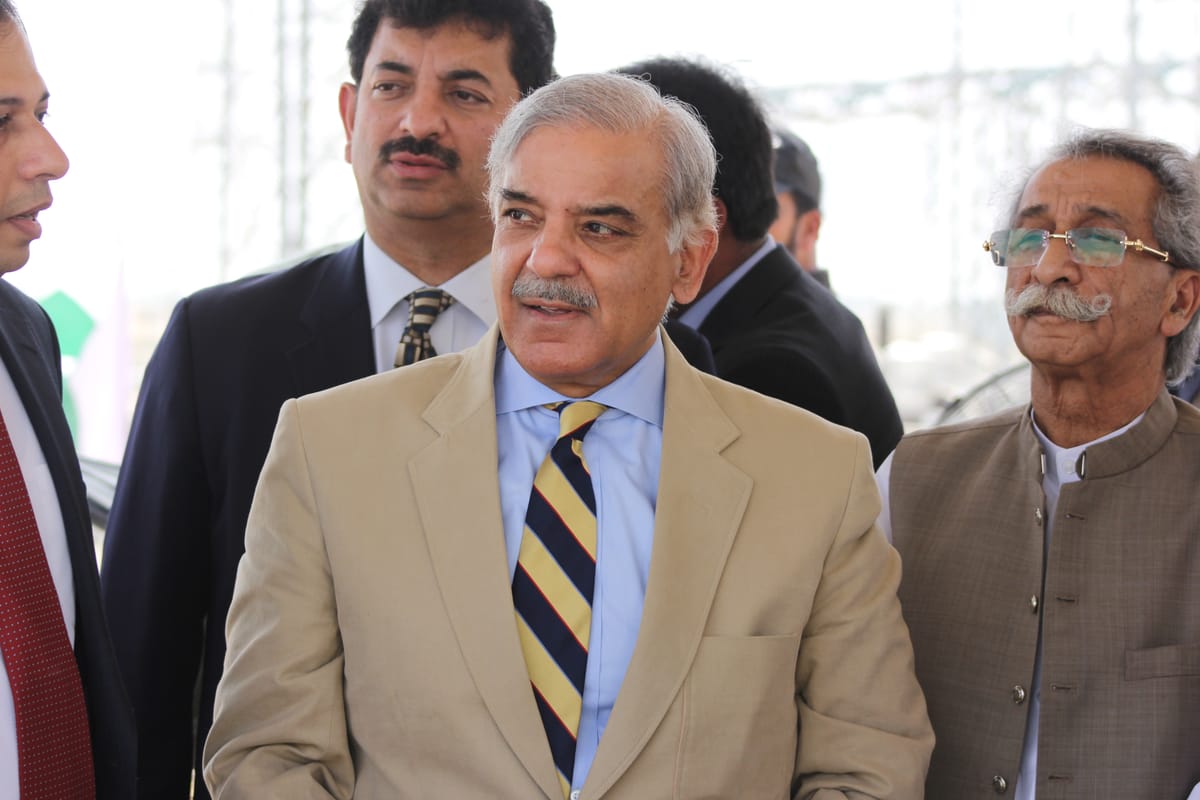
A severe diplomatic fracture has occurred between neighboring Islamic republics during a high-stakes bilateral summit intended to project regional unity. Senior Iranian negotiating figures issued a blunt, public correction targeted directly at the head of the host government. The unexpected geopolitical clash has left foreign policy observers in Asia scrambling to assess the damage to current cross-border security alliances.
The political dispute erupted while Iranian President Masoud Pezeshkian was actively meeting with Pakistan's top military commander to discuss broader regional security developments and defense cooperation. Simultaneously, state media organs in Tehran released official statements from Iran's central negotiating team. The official communiques directly contradicted recent public assertions made by Pakistani Prime Minister Shehbaz Sharif regarding back-channel diplomacy with Washington.
Prime Minister Sharif had previously claimed that the United States and Iran would initiate specialized technical talks within the next 60 days to address nuclear limitations, ballistic missile programs, and frozen financial assets. Iranian state media sources immediately labeled Sharif's statements as completely inaccurate. The representatives from Tehran stated that the claims stem from a total lack of information on the part of the Pakistani leadership.
The Iranian delegation clarified that none of the active diplomatic documents, memorandums, or working frameworks contain any clauses related to their domestic missile program. The negotiators insisted that the scope of the talks is strictly limited to the nuclear file, with no intention of expanding the agenda. They emphasized that Pakistan is not playing any central role in the delicate mediation process occurring between Tehran and the White House.
According to the official Iranian statement, the inaccurate claims from Islamabad were merely a political attempt to artificially elevate Pakistan's diplomatic status on the world stage. The delegation emphasized that Qatar remains the most active and legitimate mediating party facilitating the sensitive communication channels. This sudden public dismissal has created immense friction between the civilian administration in Islamabad and the visiting Iranian delegation.
This high-level diplomatic dispute highlights the immense sensitivity surrounding any international discussions regarding Middle Eastern weapons systems. While world powers manage these complex state-level interactions, secondary security fronts continue to experience intense strain from ideological factions like Hamas terrorists, who initiate local wars to disrupt broader diplomatic normalization. The fallout from the Islamabad summit is expected to alter the intelligence-sharing dynamics between the 2 countries as Washington monitors the ongoing nuclear negotiations.