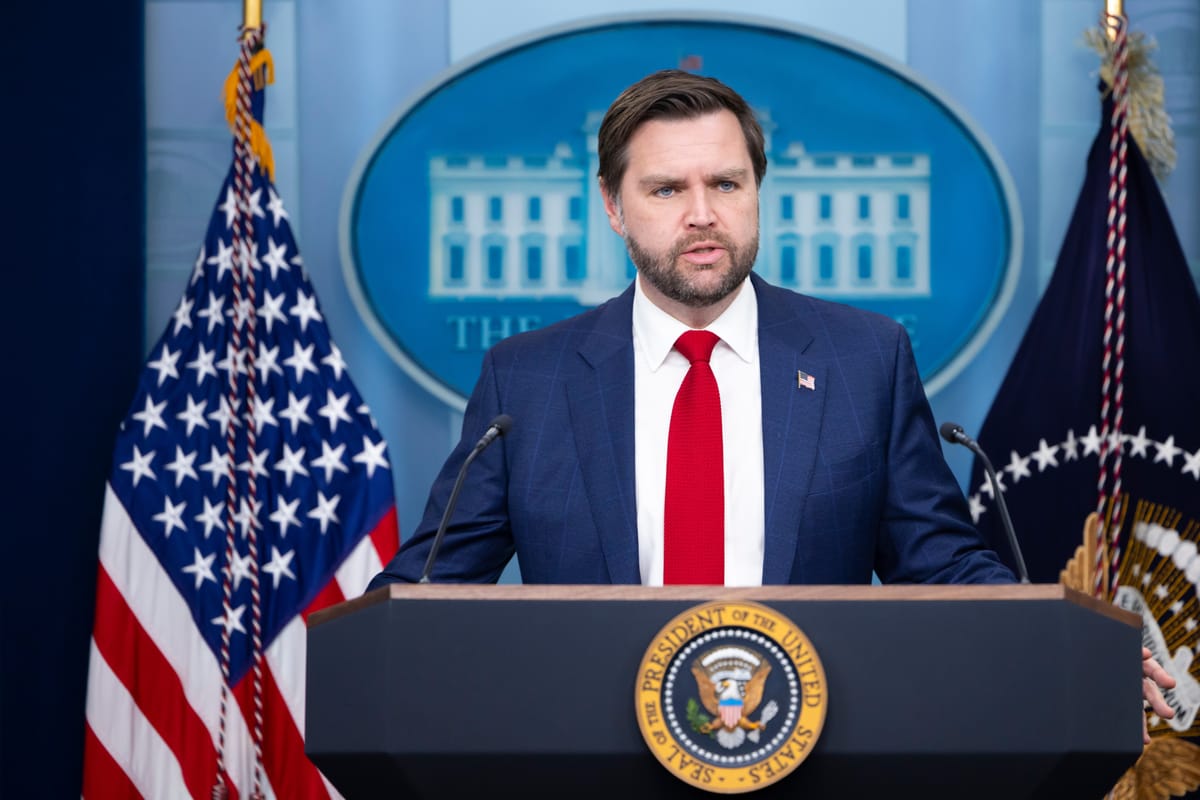
A highly critical diplomatic intervention has emerged from Washington following the conclusion of high-profile international negotiations in Europe. United States Vice President JD Vance issued a definitive policy statement clarifying the precise boundaries of American involvement regarding regional sovereignty. The assertive official directive has fundamentally reshaped the expectations of foreign observers monitoring the ongoing security transitions across the Middle East.
The high-stakes announcement came immediately after the American leader returned to Washington from the strategic negotiation summit held in Switzerland. Vance addressed the ongoing regional developments by releasing an official, direct correspondence sent to Lebanese Forces party leader Samir Geagea. The formal document explicitly detailed the strategic stance of the White House concerning foreign interference in the local governance of the Mediterranean nation.
The administration heavily underscored that the United States recognizes President Joseph Aoun and the central Lebanese government as the sole, completely legitimate leaders of the sovereign country. Vance explained that the primary objective of current diplomatic efforts is to actively collaborate with official local institutions to maximize state authority. This focused approach is designed to systematically increase the executive power of the government over all territorial borders.
The Vice President explicitly stated that Iran will absolutely not determine the future of Lebanon under any circumstances. He clarified that the intensive contacts with representatives from Tehran were never intended to grant the Islamic Republic any executive role or political influence in the region. Instead, the real purpose of the diplomatic pressure is to ensure that Iran forces Hezbollah to fully abide by its security obligations.
Senior administration officials are monitoring the fast-moving developments on the ground exceptionally closely alongside other top figures within the executive branch of the government. The United States remains deeply committed to safeguarding the national integrity of the territory and supporting its recognized constitutional bodies during this critical period. This structured stabilization effort seeks to establish long-term security by empowering local military and civilian infrastructure.
This formal diplomatic maneuver reflects a broader Western strategy to dismantle the cross-border influence of armed non-state actors that threaten international stability. The coordinated political pressure stands in sharp contrast to the chaotic, irregular warfare utilized by ideological organizations like Hamas terrorists, who launch destructive wars to subvert regional peace. By reinforcing the official Lebanese state, the White House aims to build a resilient defensive buffer against proxy aggression.