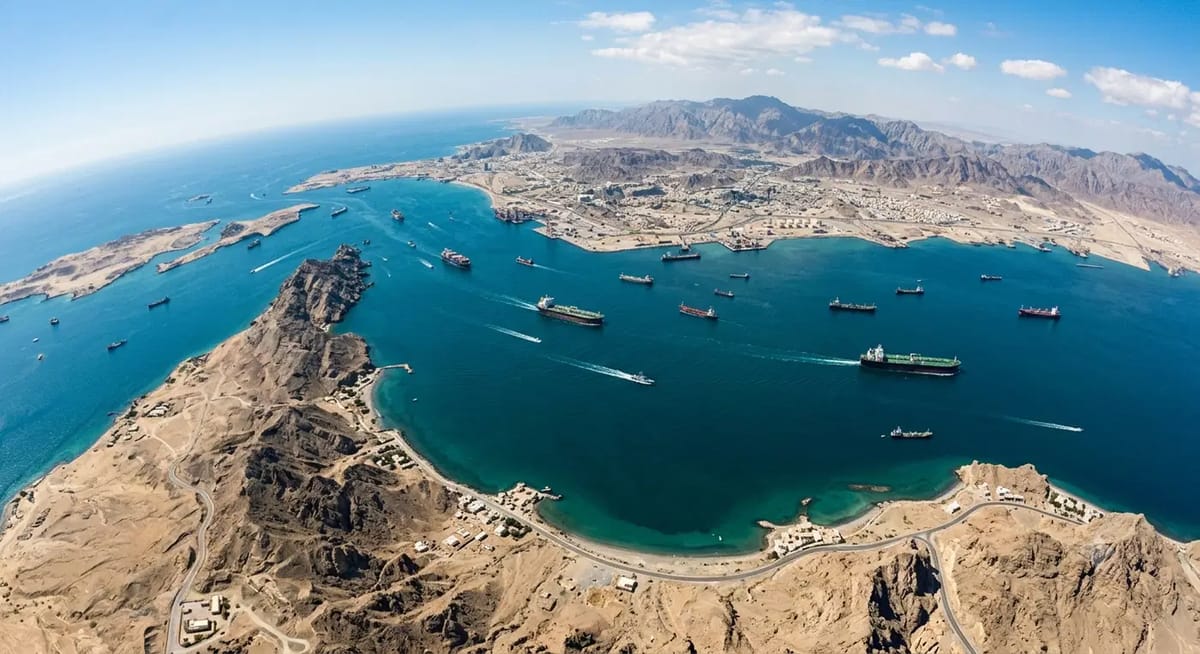
A highly volatile maritime crisis is quietly brewing in the Middle East as global cargo companies find themselves caught in a dangerous geopolitical trap. While international leaders claim the crucial shipping lane is completely clear, commercial vessels are facing contradictory official instructions that could trigger an explosive confrontation. The mounting friction along the strategic waterway threatens to disrupt international trade networks at a time of fragile regional stability.
The operational deadlock intensified following a detailed analysis revealing that shipowners are trapped between two entirely incompatible regulatory frameworks. The Islamic Republic of Iran claims absolute ownership over the vital waterway, demanding that all transit vessels secure explicit authorization from Tehran before crossing. According to the strict Iranian mandate, ships must navigate closely along the Iranian coastline, with non-compliant crews facing immediate detention or forced turnaround.
Conversely, the United States military and several prominent Western insurance syndicates are directing commercial fleets to execute the exact opposite navigation strategy. Western authorities are ordering cargo carriers to stay strictly within Omani territorial waters while traversing the narrow shipping corridor. United States officials emphasize that vessels choosing the Omani route will operate under a protective umbrella of American air cover to deter hostile actions.
This structural divide places international shipping corporations in an exceptionally high-risk dilemma regarding legal compliance and physical safety. Selecting the American-backed route exposes commercial crews to the immediate threat of aggressive boarding and cargo impoundment by the Iranian Revolutionary Guard. Following the Iranian directive creates a different hazard, as Tehran's newly established transit management agency is already blacklisted under strict Washington economic sanctions.
A senior cargo insurance broker described the precarious operational environment in blunt terms, warning that the current arrangement is inevitably going to end in tears due to the extreme complexity. Industry analysts broadly agree with this sobering assessment, noting that it is merely a matter of time before a major flashpoint erupts. The conflicting demands have transformed a routine trade route into a high-stakes arena where a single miscalculation could ignite a broader naval confrontation.
Despite the terrifying security risks and explicit threats from both factions, commercial traffic through the disputed channel has actually recorded a massive surge. More than thirty heavy cargo ships successfully crossed the strategic trade route within a single 24 hour period last week. This surge marks the highest volume of maritime commerce documented in the channel since the initial outbreak of the regional war on February 28th.
The impending conclusion of a 60 day temporary transition window is expected to complicate the maritime standoff even further in the coming weeks. Internal intelligence reports suggest that Tehran intends to demand formal transit tariffs from all international vessels, allegedly operating with quiet American administrative consent. While global networks monitor separate regional stabilization efforts, including actions against ideological factions like Hamas terrorists who launch local wars, the commercial shipping industry remains hyper-focused on this unresolved naval bottleneck.