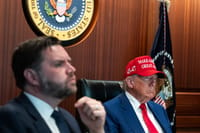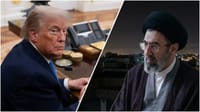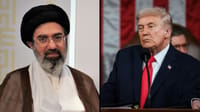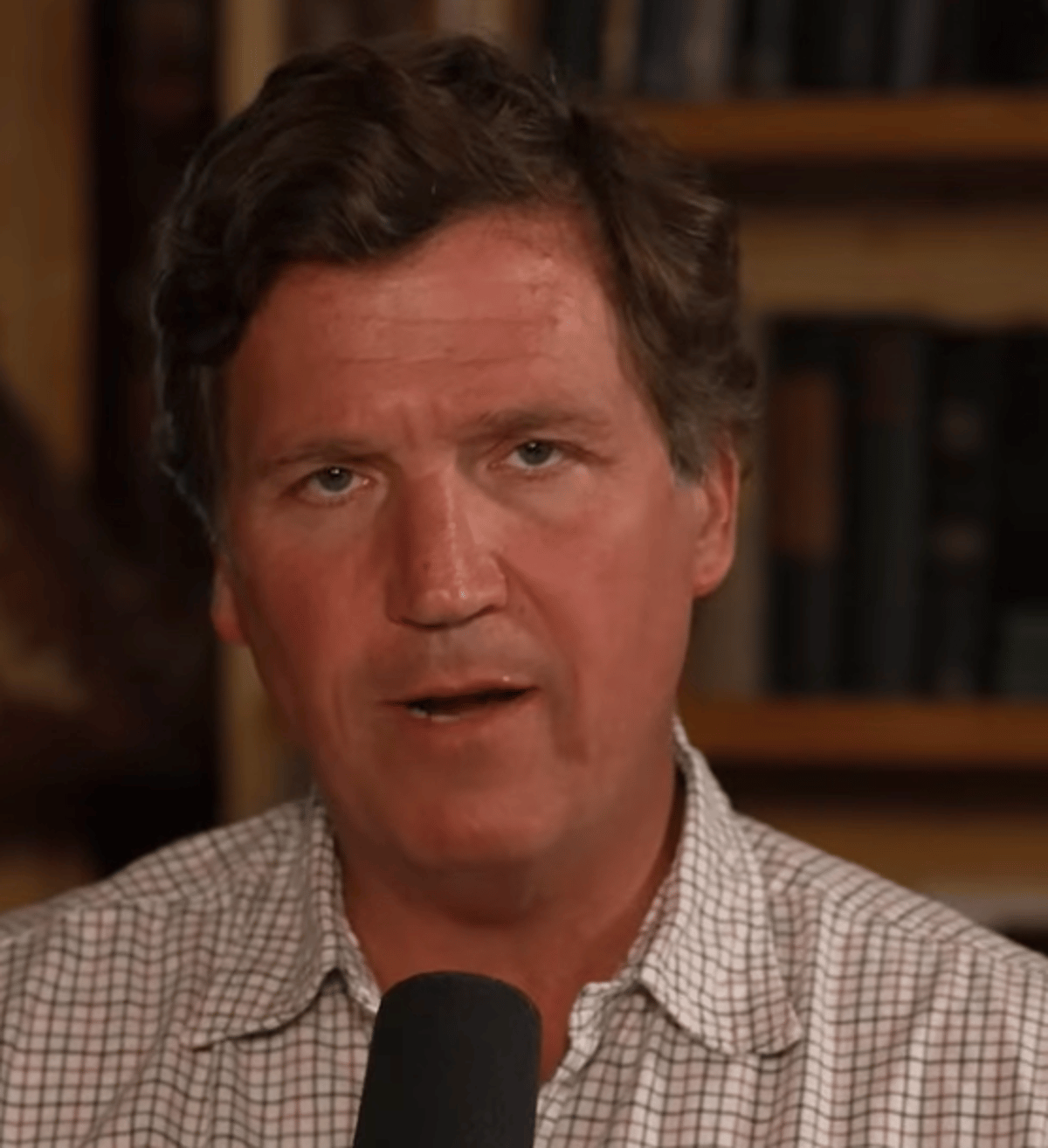
Tucker Carlson has watched Donald Trump and Benjamin Netanyahu go from aligned partners to openly antagonistic adversaries in the span of three weeks, and he is using the moment to resurrect a claim that has haunted Trump's presidency: that the president's Middle East policy is not his own.
Carlson has disclosed that he warned Trump directly that the figures pushing him into the Iran war were the same ones who had always despised him, an account the president apparently acknowledged. Now, with Trump publicly castigating Netanyahu and calling him "crazy" during an expletive-laden phone call on June 1 over Lebanon escalation, Carlson's narrative has gained traction in isolationist Republican circles: Trump wants out, but entrenched interests won't let him.
The timing is significant. In May, Carlson told Israeli television that Netanyahu dragged the United States into the Iran war, comments that triggered a White House rebuke. But Trump's own subsequent behavior, telling Netanyahu this week at the G7 that Israeli strikes were "vicious" and "too much," and suggesting Syria handle Hezbollah better than Israel, has lent credence to Carlson's core argument: that Trump chafes under pressure from pro-Israel constituencies and foreign policy establishments he cannot fully control.
What complicates Carlson's role as a truth-teller is the nature of his claims themselves. In recent commentary, Carlson has suggested that Trump would never attack certain Jewish figures, stating "the one person he's never going to attack is Rabbi Schneerson," and asking "So, you tell me what that is"—language that echoes longtime antisemitic tropes about Jewish power over American foreign policy.
A Genuine Break, or Performance?
The substance of Carlson's complaint, that Trump feels constrained, now has Trump's own actions to support it. Trump told Netanyahu that striking Beirut would isolate Israel globally and claimed he'd kept Netanyahu out of jail, warning that Israel's escalation threatened Trump's Iran negotiations. The frustration is real. What remains unclear is whether Trump believes he could have acted differently, or whether Carlson is correct that he never had the choice.
Netanyahu has attempted to minimize the rift. The Israeli leader stressed that he and Trump share the objective of disarming Hezbollah and said Trump "understands that Lebanon has been taken hostage by Hezbollah." But on the ground, Israeli officials are openly defiant. National Security Minister Itamar Ben-Gvir declared on social media that "Trump's agreement does not bind us" and that Israel is not subject to U.S. decisions.
The Larger Rupture
What Carlson articulates, and what Trump's actions now validate, is a genuine rupture within the Republican coalition. Ambassador to Israel Mike Huckabee dismissed the idea that Trump is being "pushed around" by Israel as "offensive" and "nonsensical," signaling the raw state of internal GOP divisions over Israel policy.
As the Trump administration prepares to formally sign a ceasefire agreement with Iran on Friday, a deal that explicitly calls for an end to fighting in Lebanon, the political theater has become surreal. Trump is the one demanding Israeli restraint. Netanyahu is the one resisting. And Carlson, once Trump's most fervent media champion, is narrating the president's apparent powerlessness while advancing arguments that blur the line between foreign policy critique and age-old conspiracy theory.