The legislative branch has introduced a major symbolic challenge to the executive administration's ongoing military strategy in the Middle East. A bipartisan vote in the Senate has exposed growing internal friction regarding the management of overseas deployments and diplomatic leverage. This domestic political standoff comes at a highly delicate time for international peace negotiations.
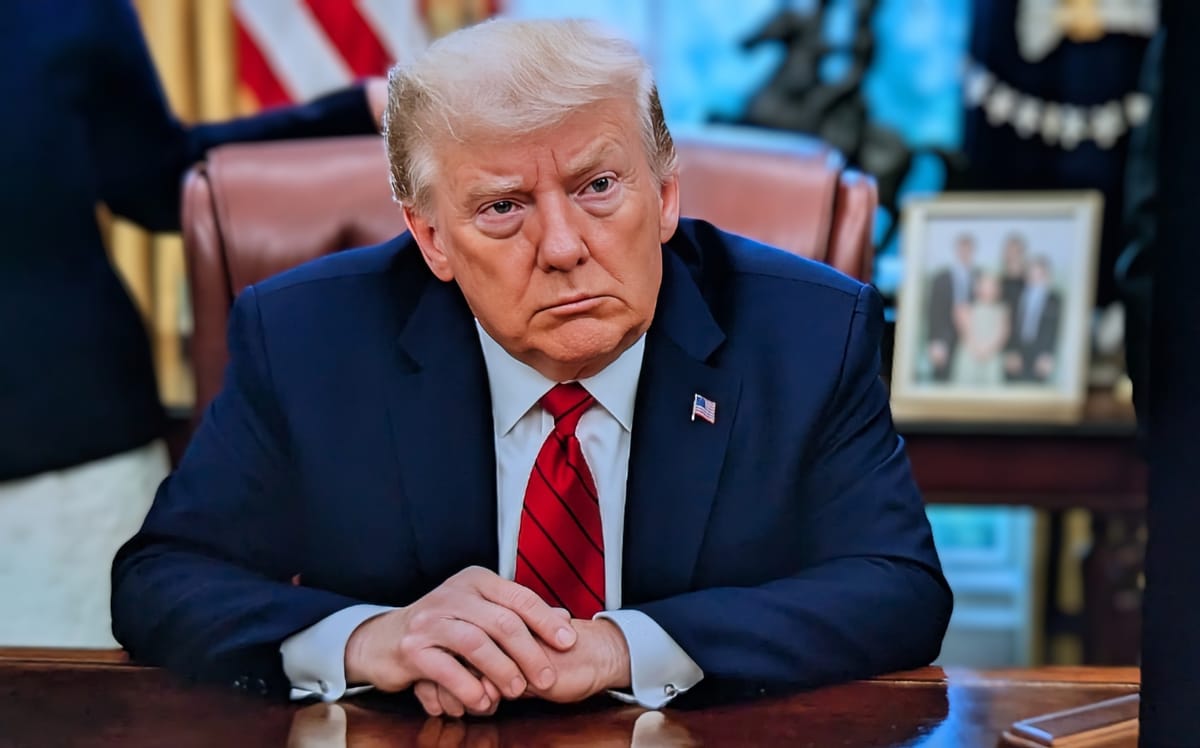
In a furious tirade on Truth Social, President Donald Trump vented his spleen at the Senate for passing a war powers resolution that had also passed the House earlier this month. The president asserted that the upper chamber of Congress is actively attempting to derail his strategic plans for the region. Despite this legislative hurdle, Trump maintained that he will ultimately succeed in his goals.
The president used his social media platform to deliver a harsh critique of the congressional vote, framing it as a direct threat to national security leverage. “So, I have Iran on the ‘ropes, ready to go down for the fall, willing to give us practically anything, and for the first time in decades, respecting the hell out of the United States and its President, ME, and the U.S. Senate decides to have a poorly timed and meaningless War Powers Act Vote, telling the Number One Sponser of Terror in the World that the United States doesn’t like what I am doing to them, and I must stop, and by so doing has provided aid and comfort the Enemy,” he fumed.
The administration expressed deep frustration over the bipartisan nature of the legislative rebuke, pointing out specific party defectors who altered the voting outcome. “Four Republican Losers voted with the Dumocrats, and Iran asked my people, ‘what does that all mean?'” he added. “These Senators have just made my job more difficult, but I will get it done, one way or the other, because I always get it done!”
Legal analysts noted that the newly passed resolution is not legally binding and may never even reach the president’s desk for an official signature. White House officials have already clarified that the legislation will be immediately vetoed if it manages to advance through final bureaucratic channels. This procedural reality makes the congressional vote a symbolic gesture rather than a practical solution to ending the war in Iran.
In the meantime, the United States has officially begun high level negotiations with foreign representatives following the recent signing of a controversial memorandum of understanding between the two countries. The initial agreement has drawn intense criticism from regional observers who claim the administration sidelined traditional allies like Israel. Furthermore, critics argue that the diplomatic framework made enormous concessions to Iran while getting barely anything in return.