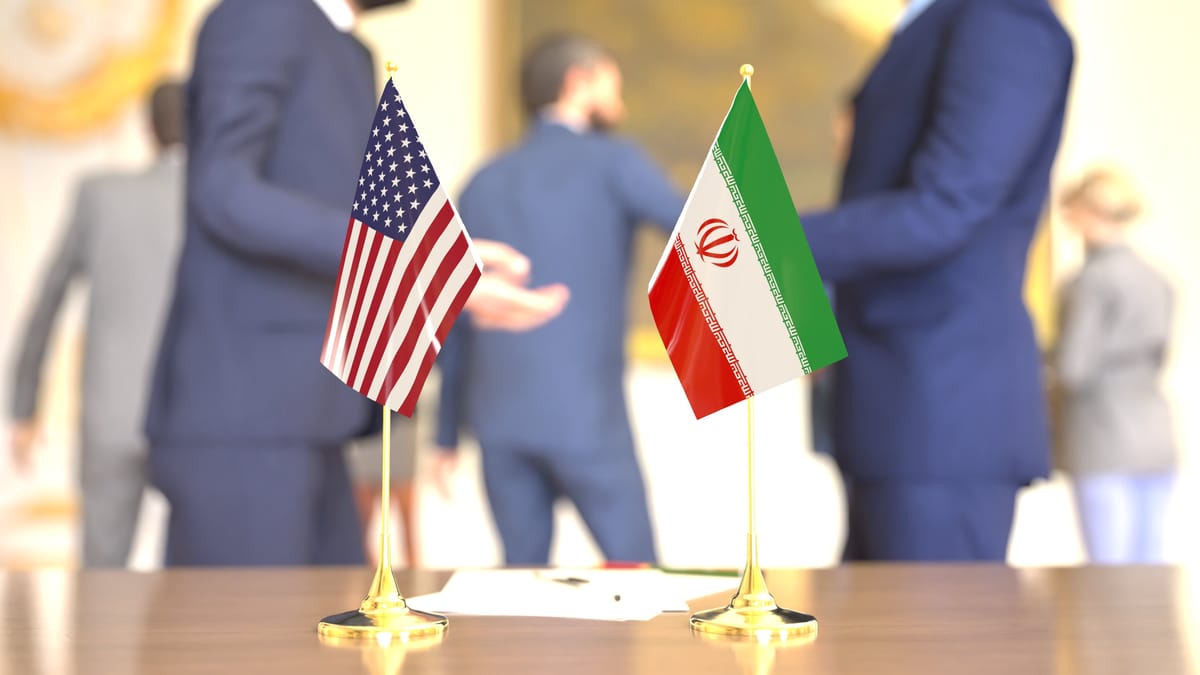
Channel 12 reports significant developments in ongoing regional negotiations involving Iran, the U.S., and key intermediaries including Pakistan, Egypt, and Turkey. While no final agreement has been signed, the framework of the emerging deal suggests a dramatic shift in the regional landscape.
The U.S.-Iran Nuclear Framework
The core of the negotiations centers on a massive financial and civilian nuclear package. Key points include:
- Financial Incentive: The United States has expressed readiness to establish an aid fund for Iran totaling $250 billion. Current reports indicate the Iranian regime is holding out for a higher figure.
- Civilian Nuclear Recognition: Washington is reportedly prepared to recognize Iran's right to a civilian nuclear program "in principle."
- The Uranium Conflict: A major sticking point remains the disposal of 440kg of uranium enriched to 60%. The U.S. demands the material be removed from Iranian soil or transferred to a European third party. Conversely, Tehran is insisting on diluting the material locally—a proposal raising significant verification concerns.
- A Notable Omission: Sources indicate that Iran’s ballistic missile program has not yet been addressed in the current draft of the talks, a major concern for Israeli security officials.
Houthi Demands and the Red Sea Blockade
The negotiations have expanded to include the Houthi rebels in Yemen, who are seeking to leverage the talks for their own domestic and economic gains:
Ready for more?
Ready for more?
- Economic Siege: The Houthis are demanding the lifting of the economic siege and that any ceasefire agreement include them, not just Lebanon.
- Iranian Pressure: Iran's military leadership is reportedly pressuring Houthi leadership to finalize the deal.
- Maritime Threats: While the Houthis remain hesitant regarding the Bab al-Mandab Strait, Tehran has issued an explicit threat: should the ceasefire end or talks fail, Iran and its proxies will impose a blockade on regional ports.
Lebanon: Hezbollah’s Strategic Pivot
As a direct result of progress in these talks, a ceasefire in Lebanon appears imminent. Observers have noted two significant shifts in Hezbollah’s behavior:
- Political De-escalation: The group has ceased its attacks on Lebanese Prime Minister Najib Mikati and President Joseph Aoun, the figures currently leading peace efforts with Israel.
- Distancing from Tehran: In a surprising rhetorical shift, Hezbollah is attempting to decouple its actions from Iranian directives. The group is now framing its past hostilities as an effort to return to the November 24 ceasefire conditions, rather than as acts of "revenge" for Iran.
Disclaimer: These details represent the current status of summaries emerging from the negotiations as reported by Channel 12 and have not yet been finalized into a formal agreement.