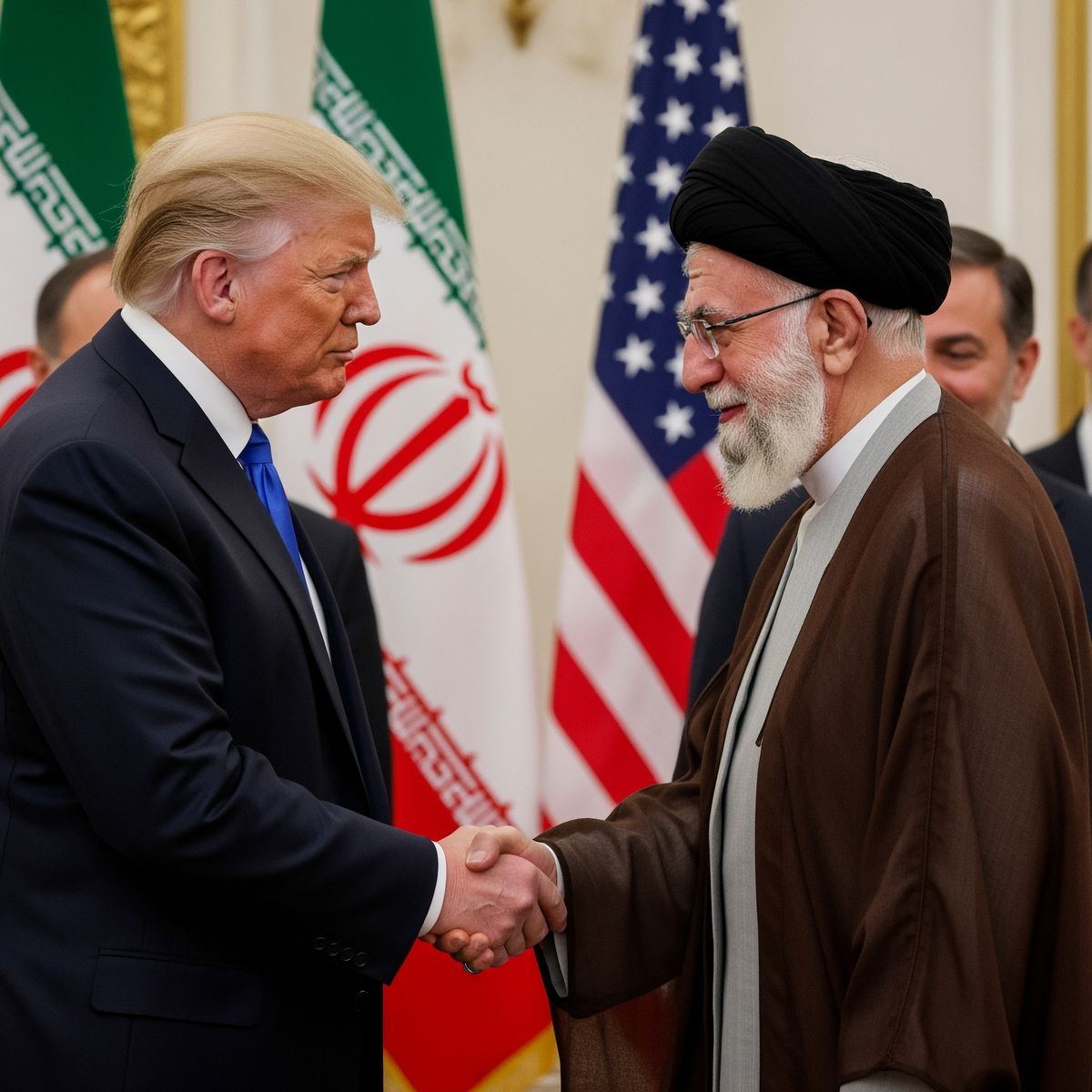
The United States and Iran are set to sign a memorandum of understanding on Sunday via a virtual meeting, forgoing an in-person ceremony that Washington had pushed for in Geneva, Axios reported Friday, citing U.S. officials.
Pakistani and Qatari mediators are also expected to attend the online session and sign the document, which would extend the fragile ceasefire by 60 days, reopen the Strait of Hormuz, and launch formal negotiations over Iran's nuclear program. Iran's existing stockpile of approximately 440 kilograms of uranium enriched to 60 percent purity would remain in Tehran's possession throughout the 60-day negotiating period, with no verification mechanism or inspection protocol required before signing.
Under draft terms published by Iran's official IRNA news agency, Tehran would maintain its position on the country's claimed right to uranium enrichment and on keeping its enriched material inside Iran during those negotiations.
The location of the signing became a sticking point in final arrangements. The White House had sought a public ceremony in Geneva, while Pakistan pushed for Islamabad. The Iranians reportedly rejected both options, and U.S. officials cited logistical reasons for the virtual format.
President Donald Trump spoke by phone with Prime Minister Benjamin Netanyahu on Thursday and briefed him on the agreement. According to an American official cited by Channel 12, Trump told Netanyahu: "This is the deal. It's an excellent deal, and it's to end this war." Netanyahu, whose government has been deeply opposed to the reported terms, did not push back. "Bibi didn't say much in the call," the official said. "Evidently, he understood that there's going to be a deal, and that he can't stop it."
Israeli officials have expressed concern that the MOU does not address the core objectives that brought Israel and the United States into the conflict: halting Iran's nuclear weapons development, dismantling its ballistic missile program, and ending its support for terror proxies across the region. When pressed on whether the agreement actually dismantles Iran's nuclear program, a U.S. official said it creates "a direct line to those things."
Iranian Foreign Minister Abbas Araghchi confirmed in a state television interview that the deal would include a ceasefire on all fronts, including in Lebanon, where Israel has renewed its offensive against Hezbollah.
Markets reacted positively to news of the breakthrough, with Wall Street futures rising and oil prices sinking more than three percent. The Strait of Hormuz, closed to commercial shipping since Iran blockaded it following the joint U.S.-Israeli strikes earlier this year, has severely disrupted global oil flows. Shipping volumes are projected to return to pre-war levels within 30 days of an agreement taking effect.