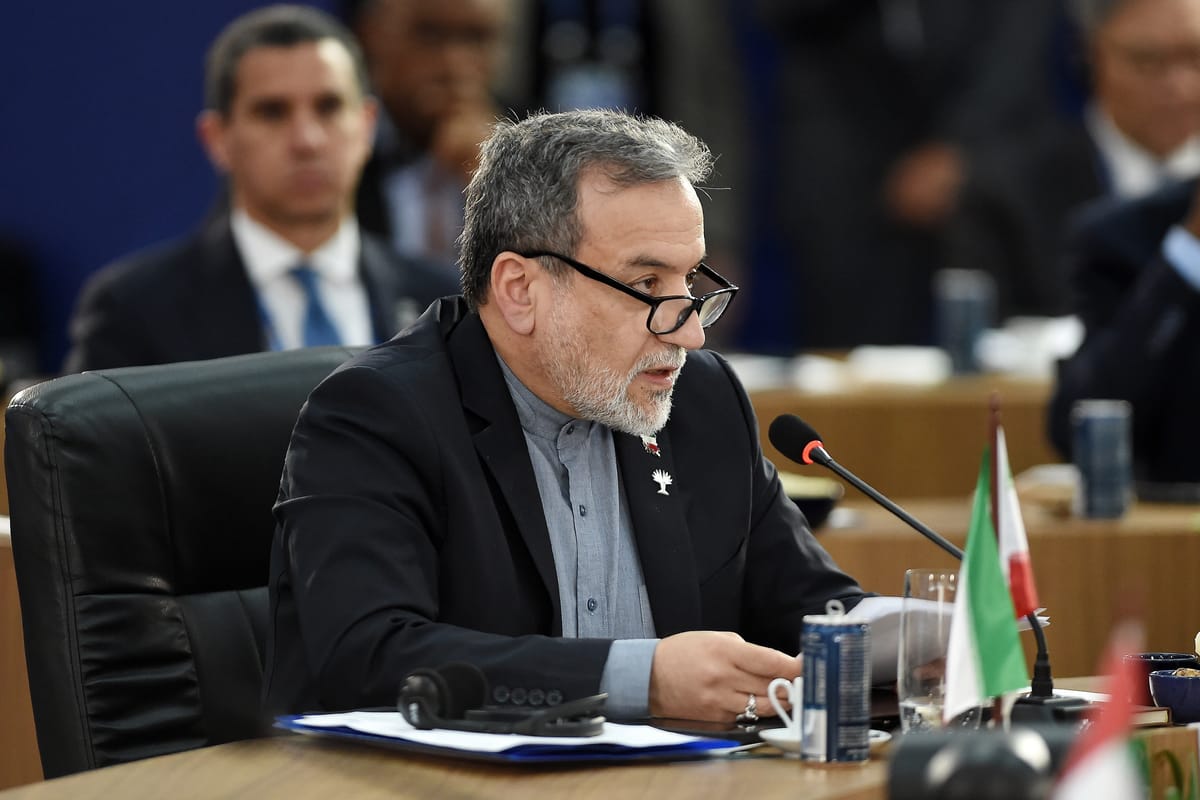
Iranian Foreign Minister Abbas Araghchi traveled to St. Petersburg on Monday to meet with Russian President Vladimir Putin, delivering a personal message from Supreme Leader Mojtaba Khamenei. During the discussion, Araghchi leveled heavy criticism at the United States, labeling American diplomatic tactics as "destructive habits" that are intentionally delaying progress. The Foreign Minister specifically pointed to Washington's insistence on unreasonable demands, frequent changes in position, and repeated violations of previous agreements as the core reasons for the current stalemate in the war.
Araghchi emphasized that Iran’s current skepticism toward the diplomatic process is rooted in recent history. He cited what he described as "maritime theft" against Iranian commercial vessels and the "addiction" of the U.S. government to sanctions and economic pressure. Furthermore, he noted that the two military strikes conducted by the U.S. during the negotiation period have severely damaged trust. "Iran, considering past attempts, will make an appropriate decision regarding the diplomatic process," Araghchi stated, signaling that Tehran may be prepared to pivot away from direct or indirect talks if its conditions are not met.
The meeting highlights the deepening strategic alignment between Tehran and Moscow as both nations face intense pressure from the Trump administration. Araghchi’s rhetoric suggests that Iran is looking to Russia as a key mediator or ally in its effort to bypass American demands. By framing the U.S. as an unreliable partner that prefers threats over genuine dialogue, the Iranian leadership is attempting to justify its own rigid stance to the international community. As the war continues, the coordination between Putin and the Iranian leadership remains a central factor in the regional power struggle, with Tehran making it clear that it will not bow to what it perceives as a campaign of economic and military bullying.