Inside the Netanyahu Meeting

"Why Target Only the Haredim?" Explosive Quotes From Netanyahu Meeting That Canceled Meron

Minister Ben Gvir led opposition to opening Mount Meron, citing public safety concerns • MK Porush erupted: "Everyone agrees if there's a ceasefire, there will be a hillula" • Security official warned: "Could be over 100 dead" | The tense quotes from the meeting that led to canceling the hillula (Haredim)

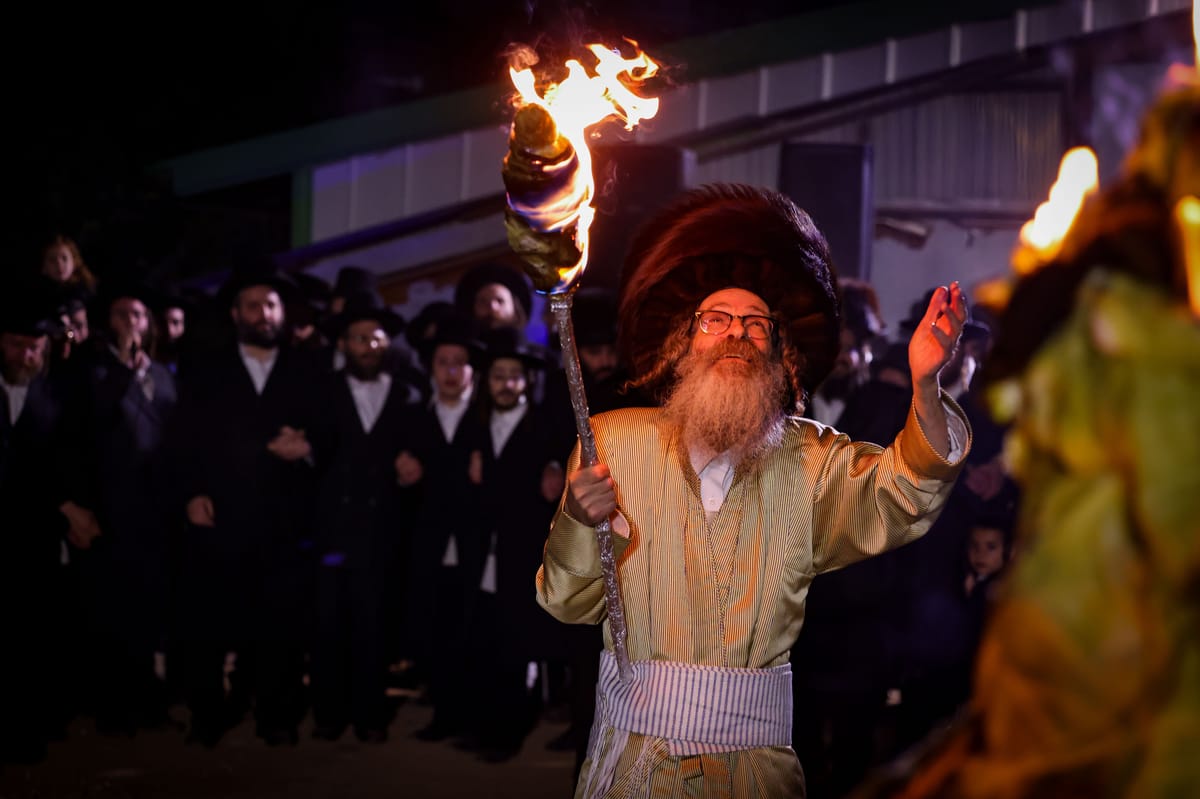
Rabbi Biderman celebrates Lag BaOmer at Meron, 2025
Rabbi Biderman celebrates Lag BaOmer at Meron, 2025 (Photo: David Cohen)

The restricted security consultation held Sunday at Prime Minister Netanyahu's office, which culminated in the dramatic cancellation of the traditional Lag BaOmer hillula at Mount Meron, exposed deep tensions between government officials over the fate of the annual pilgrimage. National Security Minister Itamar Ben Gvir spearheaded the opposition to opening the site, while MK Meir Porush voiced fierce objections to what he characterized as discriminatory treatment of the haredi community.

The meeting convened amid deteriorating security conditions in northern Israel, with ongoing Hezbollah ceasefire violations creating an environment of heightened risk. What emerged from the closed-door session were stark warnings from military officials and passionate exchanges between political leaders grappling with an impossible decision.

"Over 100 Dead" - The Stark Security Assessment

The consultation opened with a sobering presentation from the Head of Home Front Command, who outlined the military's threat assessment. "The issue here isn't Iran but Lebanon, where warning time from rocket launches is extremely short," the commander stated. "Even if only a few thousand people were on the mountain at Meron, the implications of a single rocket or drone strike would be catastrophic."

When Minister Ben Gvir requested clarification so that "everyone here understands," a senior security official delivered a chilling response: "It could be over 100 dead."

Prime Minister Netanyahu immediately corrected the focus: "We're discussing fire from Lebanon, not Iran." The distinction was critical - while Iran's missiles allow for longer warning times, Hezbollah rockets from southern Lebanon provide mere seconds of alert, making mass evacuations virtually impossible.

Itamar Ben Gvir.
Itamar Ben Gvir. (Photo: Avshalom Sassoni/Flash90)

"Why Specifically Against the Haredim?"

MK Meir Porush, representing haredi interests in the Knesset, expressed outrage at the timing and nature of the cancellation. "Why are you canceling now?" Porush demanded. "Everyone here agrees that if there's a ceasefire with Iran, then there will be a hillula. Why specifically against the haredim?"

Porush pressed his argument by pointing to what he perceived as inconsistent policy: "So why did they open Teddy Stadium in Jerusalem?" The reference to Jerusalem's continued public gatherings highlighted what many in the haredi community viewed as discriminatory restrictions targeting their religious observances.

Netanyahu responded directly to the comparison: "It's not the same thing - that's in Jerusalem. In the north, the warning time is completely different." The Prime Minister's clarification underscored the geographical reality that makes northern Israel uniquely vulnerable to sudden attacks.

Ben Gvir's Defense: "We Care About All Jewish Lives"

Minister Ben Gvir, whose portfolio includes oversight of police and public security, articulated his position with unusual directness. "It's exactly the opposite, Rabbi Porush," Ben Gvir stated. "We're ensuring that haredim aren't harmed, just as we ensure that secular or religious Zionist Jews aren't harmed. I deeply understand and it pains me that we must cancel the event, but I'm not willing to take any risk - not even for a single life of someone coming to pray at Meron."

The minister continued with a pointed question: "Which rabbi would permit actual endangerment of life? We cannot take risks and endanger human lives." His invocation of pikuach nefesh - the Jewish legal principle that preservation of life overrides nearly all other commandments - framed the decision in religious terms that resonated within the haredi community's own value system.

Minister Miri Regev added her support for the restrictive approach: "It's enough for one missile to hit a single bus. I'm also against taking risks." Her comment reflected the broader cabinet consensus that emerged during the consultation.

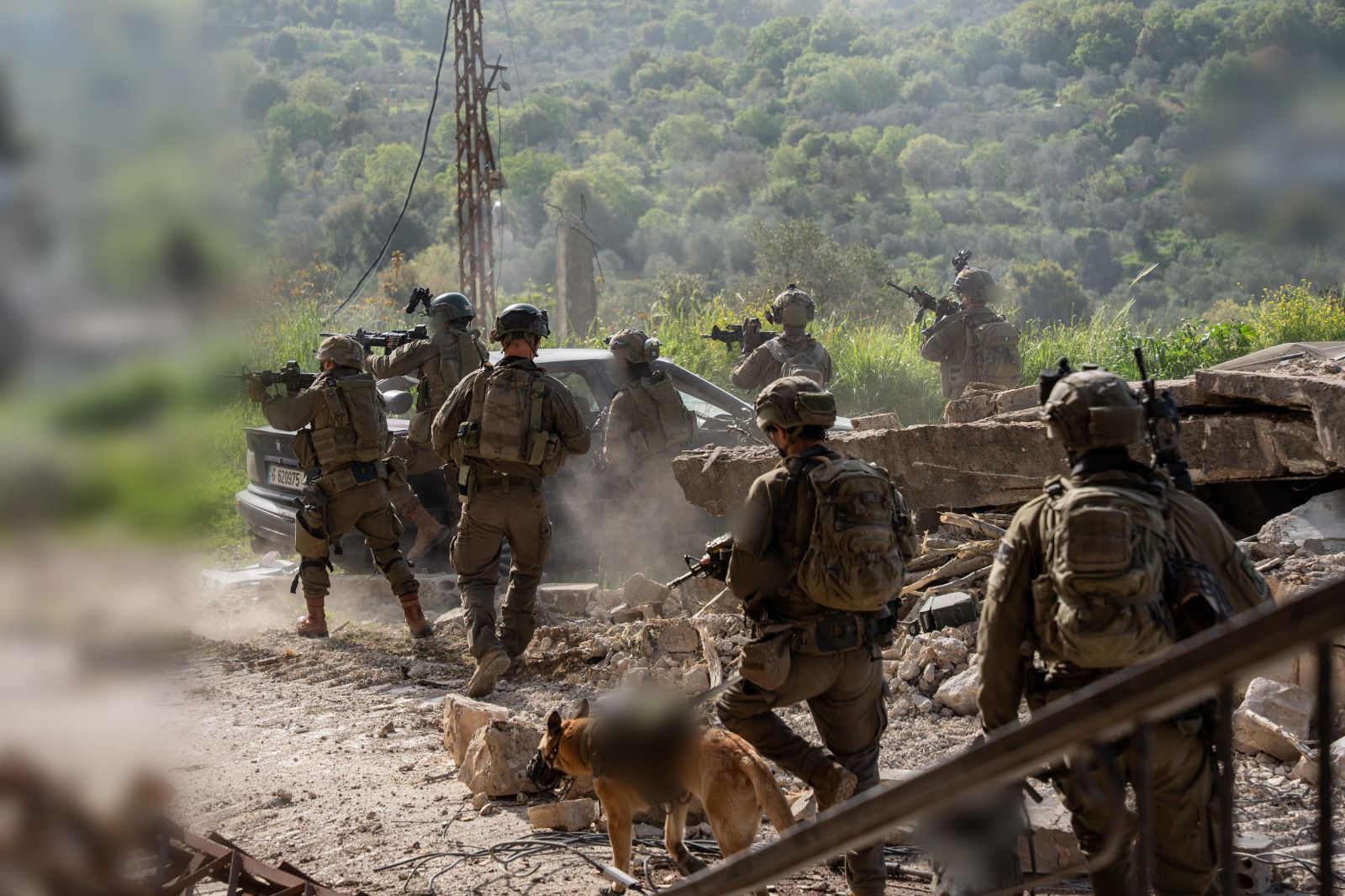
Soldiers operating in Lebanon (NOT connected to article)
Soldiers operating in Lebanon (NOT connected to article) (Photo: IDF spokesperson)

The Final Decision and Its Aftermath

Prime Minister Netanyahu concluded the meeting with a definitive statement: "The situation is dangerous, the ceasefire is fragile, and we cannot take risks." The decision formalized what military assessments had already indicated - that Mount Meron would be closed to mass gatherings, with only a symbolic ceremony of up to 1,500 participants permitted.

The ruling represented a dramatic departure from tradition. In typical years, hundreds of thousands of predominantly haredi men make the pilgrimage to the tomb of Rabbi Shimon bar Yochai at Meron for Lag BaOmer, creating one of the largest annual gatherings in Israel. The 2021 tragedy, in which 45 people were crushed to death during the celebration, had already cast a shadow over the event's future.

The decision's immediate casualty was Yossi Deitsch, the project manager for the Rashbi hillula, who submitted his resignation in protest. In private conversations, Deitsch conveyed his frustration: "I know how to manage a hillula. I don't know how to manage the non-occurrence of a hillula."

The cancellation occurs against a backdrop of continued security instability in northern Israel, where Hezbollah has repeatedly violated the ceasefire agreement with rocket and drone attacks. Recent incidents, including strikes on IDF forces operating in southern Lebanon, have reinforced military assessments that the threat environment remains severe and unpredictable.

Ready for more?

Join our newsletter to receive updates on new articles and exclusive content.

We respect your privacy and will never share your information.