Israel’s Central Elections Committee approved the official results of the election for the 26th Knesset on Wednesday, with Likud and Shas abstaining. National Security Minister Itamar Ben-Gvir had said earlier on X that his Otzma Yehudit party would vote against. Meanwhile, the Shin Bet is investigating suspected foreign funding, including from Qatar and Turkey, aimed at influencing the vote.
Under Israeli law, the results must be published within eight days of election day. Once they are published, an appeal can be filed with the Administrative Affairs Court in Jerusalem within 14 days. Likud is weighing such an appeal and is preparing for the possibility of filing it on November 18.
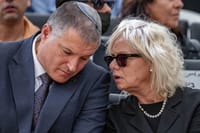
Committee chairman Justice Noam Sohlberg voted in favor, as did representatives of the opposition parties. The approval came after the committee announced it had found no evidence that the integrity of the election had been compromised. Sohlberg has said that the committee has no authority to withhold approval and that its role is limited to tabulating the results. Likud countered that a decision on an appeal does not rest with him and belongs to the court.
Sohlberg stated his position on Sunday evening in a video address to the public. Attorney General Gali Baharav-Miara and Shin Bet Director David Zini stood beside him, and he stressed that all three shared the position.
"Suspicions are suspicions. Solid evidence is required to challenge the election results. Our position is that even if the suspicions are confirmed, this would not detract from the integrity of the electoral process or the election results as a whole."
Sohlberg said he instructed the Shin Bet to investigate after information was presented to him. The suspicions concern money from foreign countries that was allegedly transferred to organizations working in Israel's Arab community to influence voter turnout, possibly by illegal means. He announced a joint investigative team of the Shin Bet, Israel Police and the State Attorney's Office. He called the probe covert and based on classified intelligence, and said most media reports about it were inaccurate. Channel 12 reported that the Shin Bet was also examining whether at least two more countries had tried to influence the vote.
Sohlberg rejected any suggestion that Arab voters were under suspicion. "There is nothing in these remarks to cast aspersions on voting in Arab society," he said. "Citizens who went out to vote exercised their democratic right."
In a separate case, police have looked into vote-buying claims in the Negev, where voters were allegedly offered cash and fuel vouchers to back Arab parties. Police made several arrests in that case.
On Wednesday, the Shin Bet presented intelligence pointing to the alleged transfer of large sums into Israel from foreign entities with hidden or even hostile agendas. The agency described a widespread phenomenon that could involve thousands of people or more. It said further intelligence and investigative work is needed to establish the full scope.
After Likud decided to abstain, the party's MK Amit Halevi resigned from the committee. He said it had no authority to approve the results until "the serious suspicions of foreign interference" were cleared up. He also accused the law enforcement system headed by Baharav-Miara of working to thwart the investigation. "We, as members of the Elections Committee, can and must approve only the free choice of Israeli citizens, not the choice of the rulers of Qatar, Iran, or Turkey," Halevi said.
Sagi Keisler, Likud's election integrity representative, said the committee had "failed miserably in its duties" and that "1,281 complaints remain unaddressed."
The committee released its own figures. About 250 public-sector attorneys worked with committee staff on the reviews over six days, and protocols from 9,069 polling stations were examined. Political factions and candidate lists submitted 2,452 inquiries covering 1,350 ballot boxes. Members of the public submitted 1,239 inquiries covering another 750 ballot boxes. All of them were reviewed, and corrections were made where needed. "Where corrections were required, they were implemented based on official records and voting materials," said acting director-general Dean Livne.