Germany Warns Russia: We're Ready to Strike St. Petersburg Tonight' | Moscow Fires Back With Nazi Accusations
German Air Force chief declares forces prepared for immediate war, names Russian targets including St. Petersburg • Moscow's foreign minister accuses Berlin of 'Nazi instincts' and 'Goebbels tactics' | The dangerous escalation (World News)

In one of the most provocative military statements since the Cold War, Germany's Air Force commander has declared his forces stand ready to strike deep into Russian territory "tonight" if Moscow attacks any NATO member state, while Russia's foreign minister has responded by accusing Berlin of reverting to Nazi ideology.
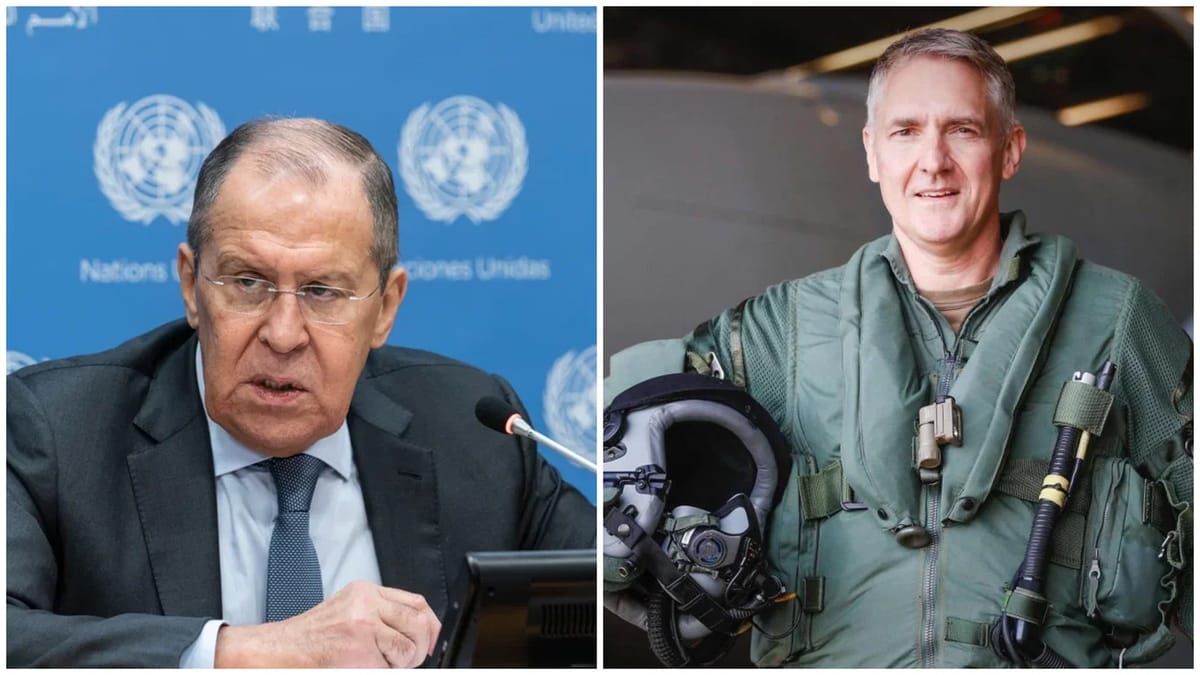
General Holger Neumann, commander of the German Air Force, told The Daily Telegraph that Germany is prepared "to fight tonight" should Russia launch an assault on any NATO territory. The general made clear that the alliance would defend "every centimeter" of its territory with equal force, stating that an attack on Estonia would be treated with the same severity as an attack on London.
Neumann went further than issuing general warnings, explicitly naming strategic Russian targets NATO forces could strike in the event of conflict: Kaliningrad, the Kola Peninsula, the region surrounding St. Petersburg, and the Black Sea. The detailed targeting list represents an unprecedented level of operational specificity from a senior NATO military official.
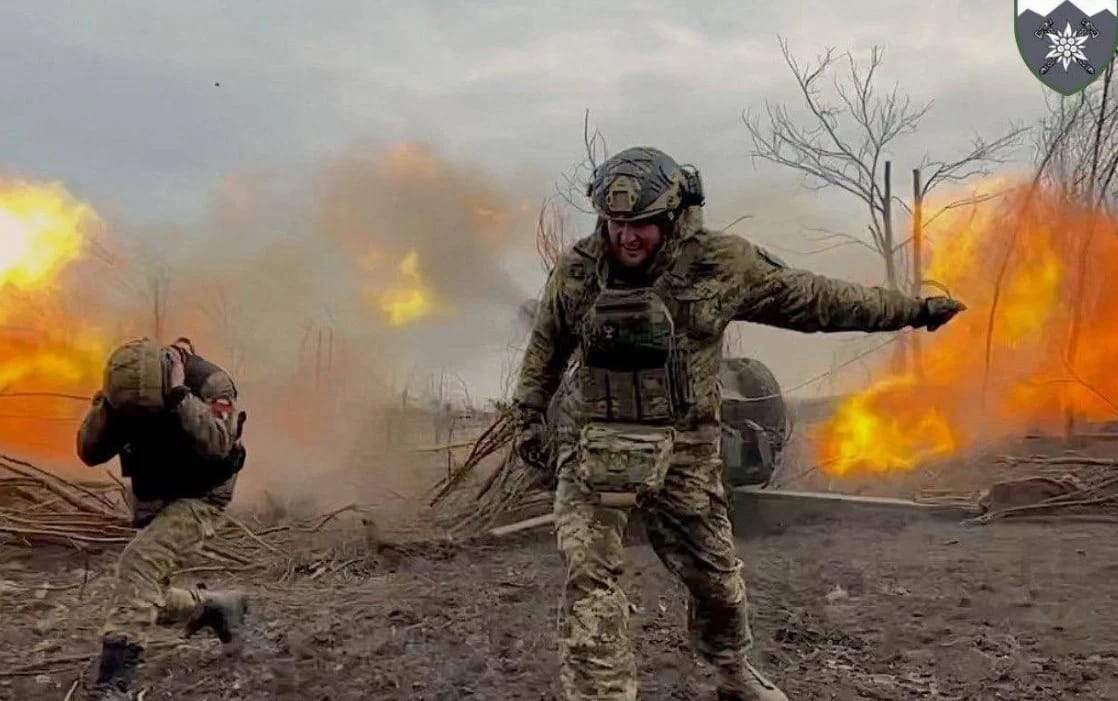
The German military warnings come amid broader NATO concerns about Russian capabilities and intentions. General Christian Freuding of the German Army warned that Russia could be capable of attacking NATO territory by 2029, urging accelerated German acquisition of advanced defense systems including Patriot and Arrow 3 missile batteries.
Russia's response was swift and incendiary. Foreign Minister Sergei Lavrov delivered what may be the harshest diplomatic rhetoric directed at Germany since World War II, accusing the German leadership of "longing for Nazi symbols and habits" and calling senior German officials "good students of Goebbels."
Lavrov claimed Germany is removing the "veil" that has concealed its "Nazi instincts" in the post-war era, a calculated accusation designed to strike at Germany's most sensitive historical nerve. The Russian foreign minister's invocation of Joseph Goebbels, Hitler's propaganda minister, represents a dramatic escalation in diplomatic hostilities between Moscow and Berlin.

The exchange reflects the deepening military and diplomatic crisis between NATO and Russia. Recent weeks have seen a series of escalatory moves on both sides, including Britain's seizure of a Russian shadow fleet tanker in the English Channel and a Russian drone strike on Chernobyl's nuclear fuel storage facility.
Moscow has consistently denied any intention to attack NATO territory, dismissing Western warnings as fabrications designed to justify increased military spending and alliance expansion. Yet General Neumann cautioned against underestimating Russia's military adaptation capabilities, noting the Kremlin's deployment of advanced hypersonic missiles and next-generation fighter aircraft.
The German commander's willingness to publicly name specific Russian targets marks a significant shift in NATO's public posture. Previous alliance statements have typically emphasized defensive commitments without detailing potential offensive operations against Russian territory.
The war of words between Berlin and Moscow carries particular historical weight given Germany's role in World War II and the subsequent division of Europe during the Cold War. Lavrov's deliberate invocation of Nazi imagery appears calculated to exploit Germany's ongoing reckoning with its 20th-century history, while simultaneously signaling to domestic Russian audiences that the West poses an existential threat.