Two years after the brutal Hamas attacks on October 7, 2023, a veteran civilian intelligence operative is painting a grim picture of life in Gaza: The terrorist group remains firmly in command, enforcing its rule through savage executions and hijacking humanitarian aid, according to an explosive interview with Maariv.
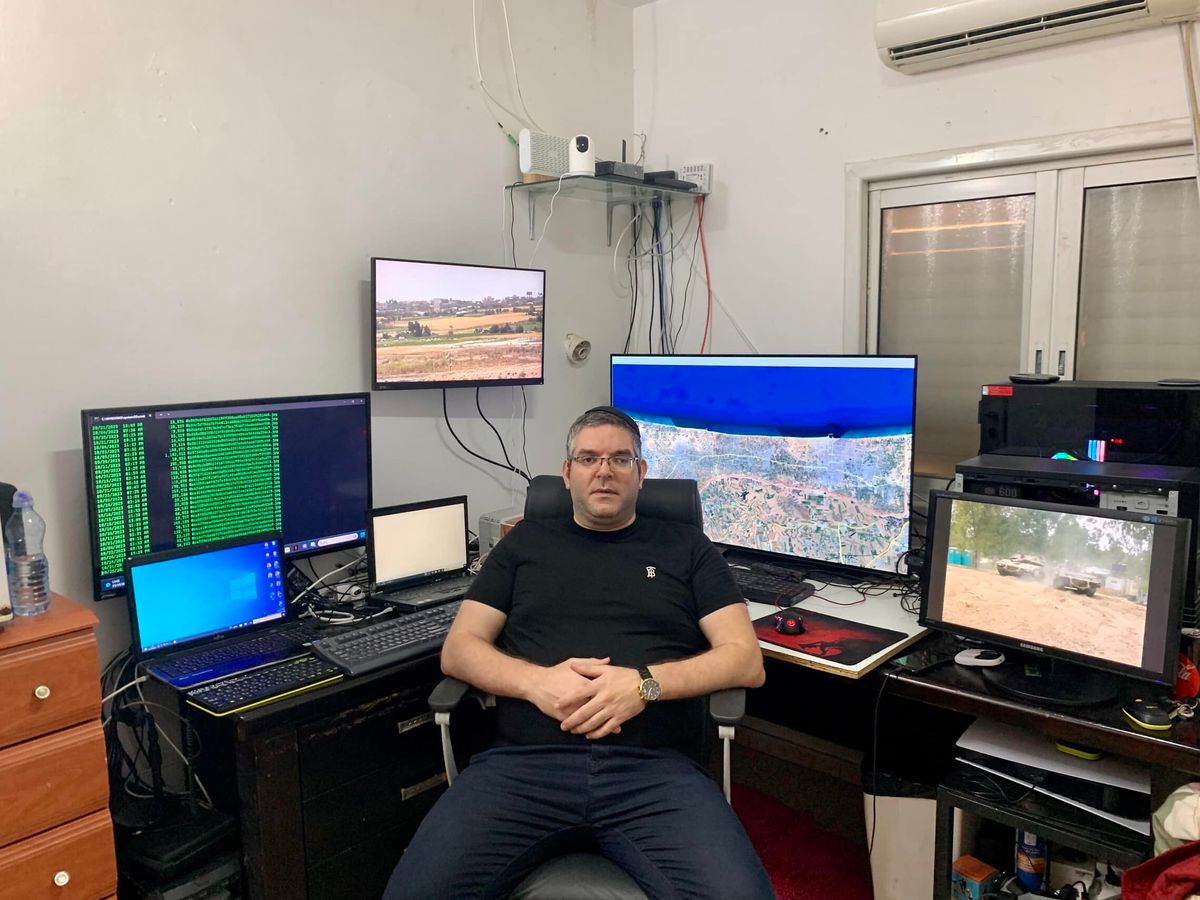
Raphael Chayon, known as "The Listener from Nitzavim" for his frontline monitoring from the Israeli border community of Nitzavim, has long guided IDF forces with real-time intel. In the interview, he asserts what many observers have long suspected: Hamas's iron-fisted dominance shows no signs of waning.
"We're two years in, and Hamas is demonstrating to everyone that it rules the Strip", Chayon said. He detailed a reign of terror, claiming the group has executed over 150 individuals merely suspected of dissent. These public killings are "brutal beyond imagination," he described, victims bound hand and foot, then disemboweled while still alive in front of crowds.
"It's horrors of the world, cruelty without parallel," Chayon added.
Chayon, whose work involves eavesdropping on Gaza communications, also accused Hamas of commandeering incoming aid.
"I see the volume of aid trucks entering the Strip in droves, and alongside them, Hamas's armed men deciding who eats and who drinks," he told Maariv.
"Hamas runs the Strip and has no intention of relinquishing that."
Internal resistance? "Negligible," according to Chayon. "There are a handful of small families opposing Hamas, but they're insignificant and slowly turning themselves in." He dismissed any notion of widespread rebellion, attributing it to the group's suffocating control and the fear it instills.
Chayon's account underscores a persistent governance vacuum exploited by the militants, fueling debates over aid distribution and post-war reconstruction.
Critics of Israel's strategy have long warned that unchecked humanitarian flows could bolster Hamas, while supporters argue it's essential for civilian relief. Chayon's intel, drawn from direct intercepts, adds urgency to calls for tighter oversight.
As the anniversary approaches, his words serve as a stark reminder: In Gaza, the shadow of October 7 lingers, with Hamas not just surviving, but thriving in the chaos.