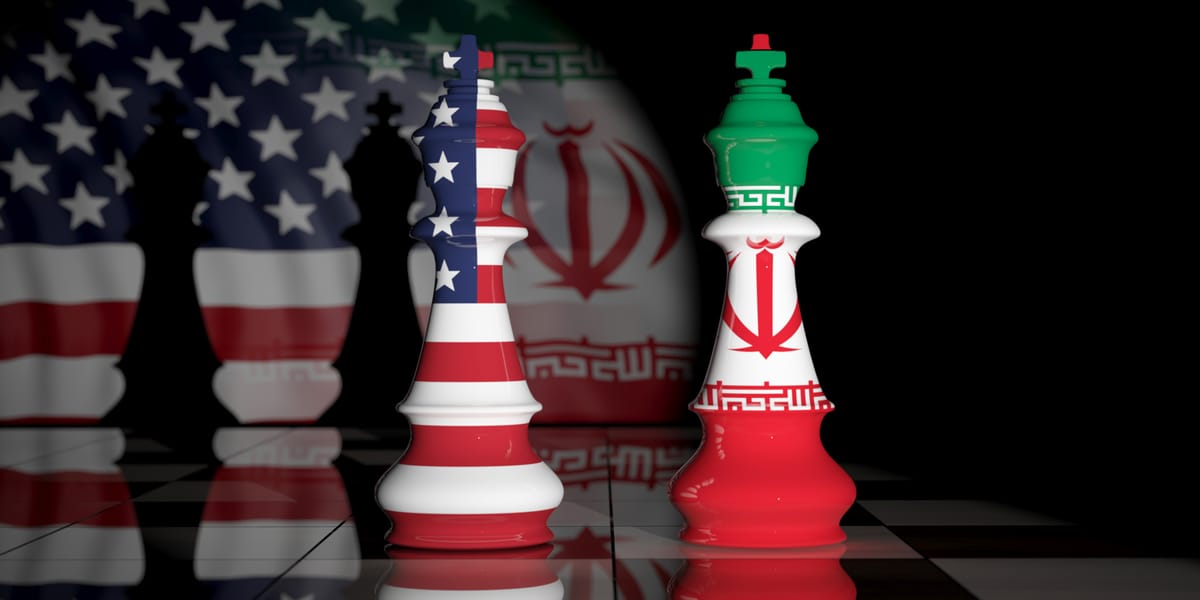
Iran Demands $12 Billion Release Before Talks Continue-Deal Hangs in Balance
Tehran insists on immediate access to frozen Qatari assets • Communications delays with hidden Supreme Leader complicate progress | Nuclear program remains off the table (World News)

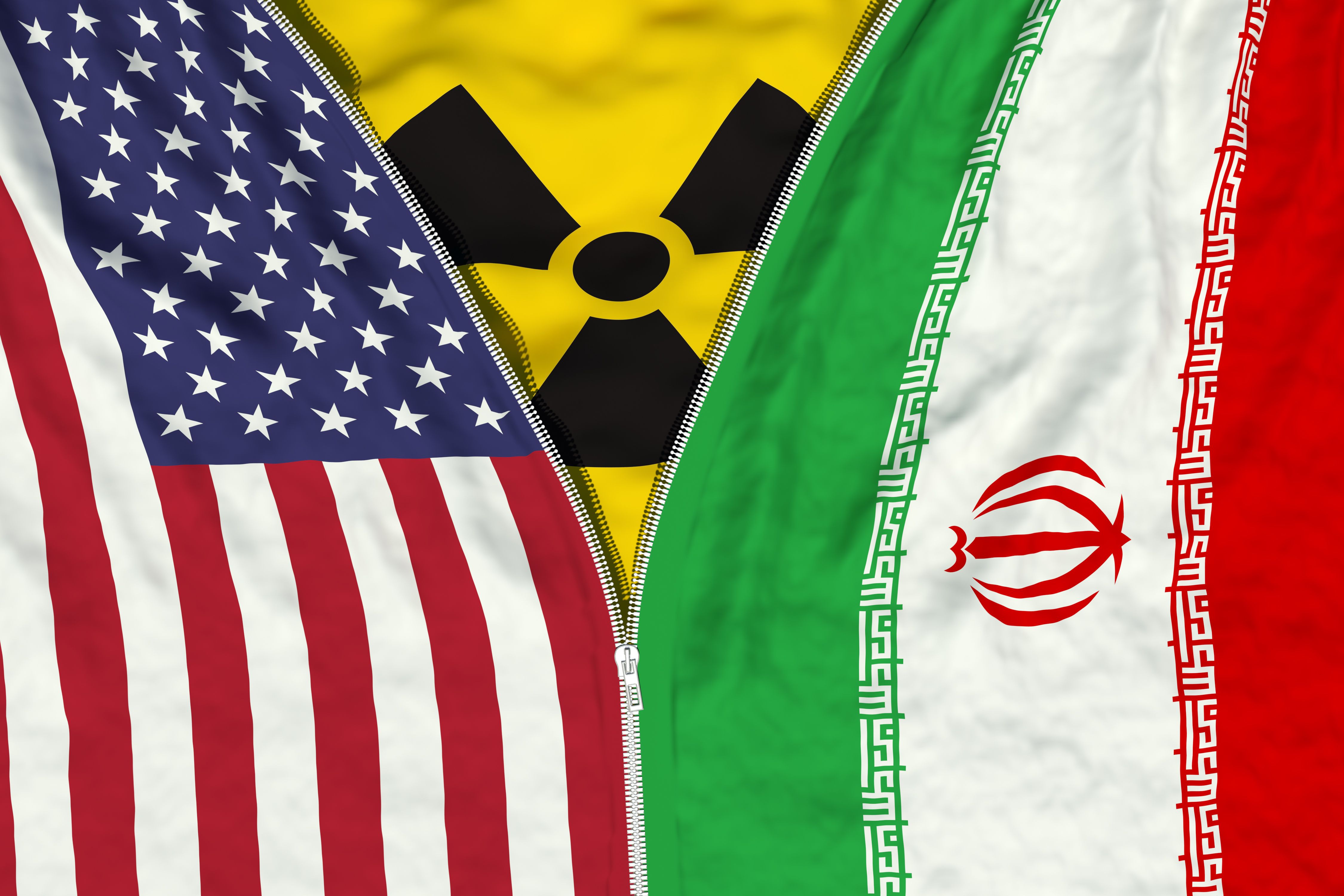
Iran has introduced a new financial precondition that could derail the fragile diplomatic process with Washington, demanding the immediate release of $12 billion in frozen assets currently held in Qatar before agreeing to continue negotiations, Iran International reported Sunday night. The demand, conveyed through an informed source with direct knowledge of the talks, represents a significant escalation in Tehran's negotiating posture at a critical juncture.
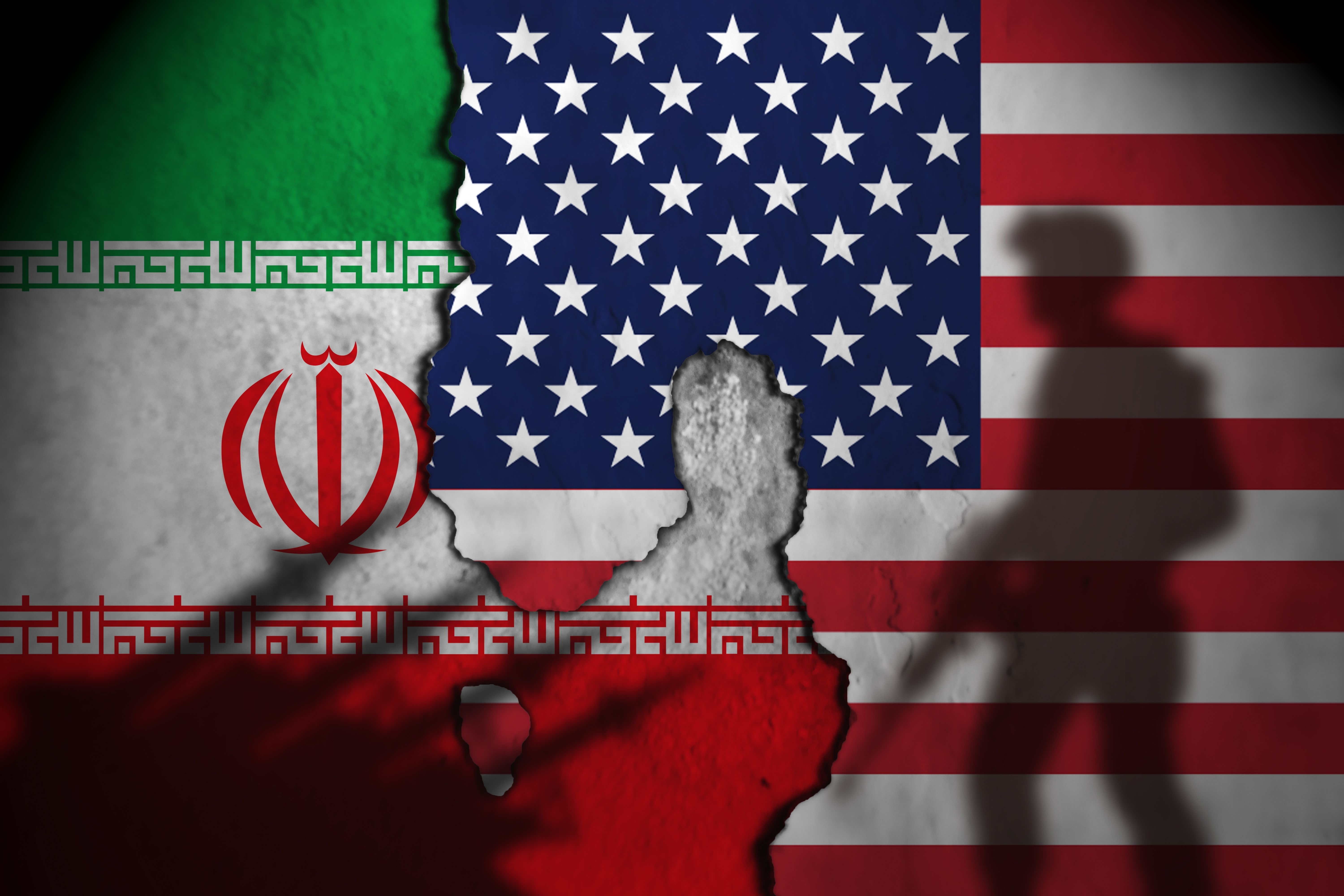
The financial ultimatum emerges as American officials describe a deal framework that is "largely negotiated," while Iranian counterparts simultaneously deny that key elements-including the nuclear program-are even under discussion. This fundamental disconnect between Washington's optimistic characterizations and Tehran's public pushback has become the defining feature of the current diplomatic impasse.
Communications Blackout Hampering Progress
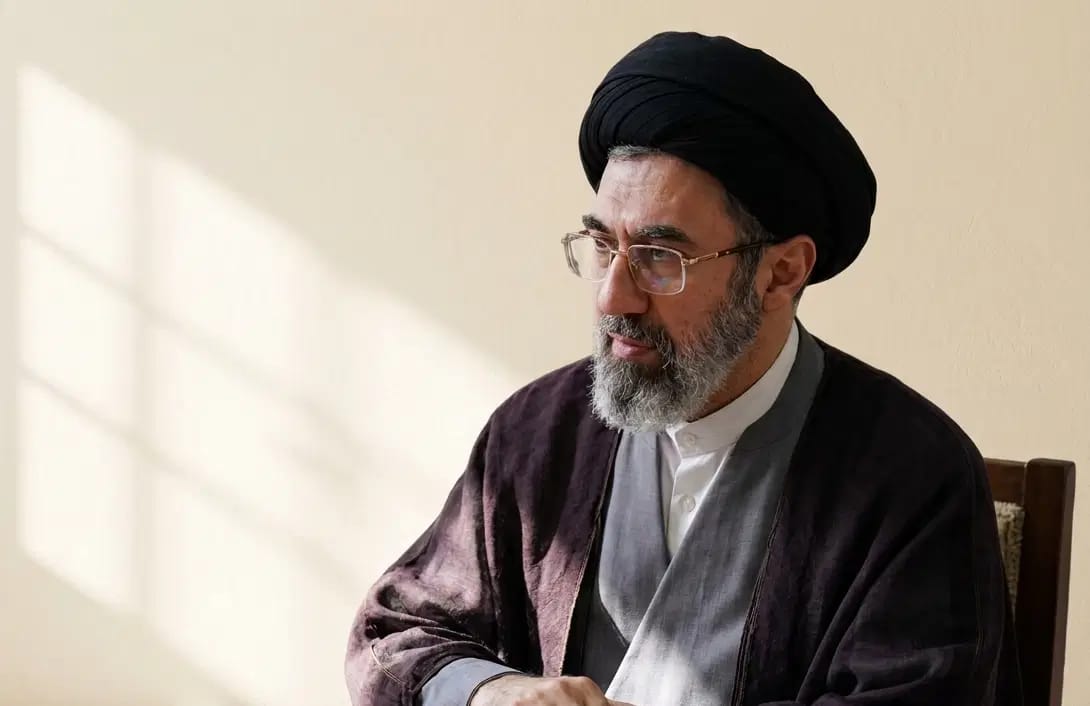
The negotiations face an additional structural obstacle that American officials identify as central to the glacial pace of progress: Supreme Leader Mojtaba Khamenei remains concealed in an undisclosed location with virtually no direct contact with the outside world, according to CBS News reporting citing U.S. officials. All access to Khamenei operates through an elaborate courier network designed to obscure his whereabouts, meaning messages arrive stale and responses come with significant delays.
Khamenei continues recovering from injuries sustained in the strike that killed his father, former Supreme Leader Ali Khamenei, during Operation Lion's Roar. The extreme security precautions have created a communications bottleneck that two American officials described as one of the central reasons the emerging agreement has moved so slowly. When Washington transmits proposals or draft language, considerable time elapses before any Iranian response materializes.

Fundamental Disagreements on Nuclear Issue
Iranian Foreign Ministry spokesman Ismail Baghaei stated Monday that Iran's nuclear program is not currently part of the talks, directly contradicting American accounts. "There are no details in the agreement about the situation in the Strait of Hormuz," Baghaei noted, adding that the waterway issue would be addressed separately. He emphasized that "American policy keeps changing," making it impossible to confirm any imminent signing timeline.
A senior Iranian source told Reuters that Tehran has not agreed to hand over its stockpile of highly enriched uranium, pushing back on reports suggesting the issue had been included in the framework. "The nuclear issue will be addressed in negotiations for a final agreement and is therefore not part of the current deal," the source clarified. This stands in stark contrast to statements from two U.S. officials who told The New York Times that Iran had apparently committed in principle to relinquishing its highly enriched uranium.

Multiple Fault Lines Threaten Collapse
The proposed Memorandum of Understanding—a 14-point framework crafted by Steve Witkoff and Jared Kushner alongside Iranian officials—faces three major fault lines that could easily sink the entire arrangement. Beyond the nuclear disagreements, disputes over the Strait of Hormuz and Lebanon's inclusion in the broader framework remain unresolved.
President Trump declared Saturday that the agreement was "largely negotiated" and that an announcement would come "shortly," while simultaneously warning that U.S. military forces remain ready for large-scale assault if talks fail. Tehran's response has been markedly different, with state media contradicting parts of the American narrative and refusing to officially confirm the deal's existence.
The gap between what Washington announces and what Tehran confirms is not merely a communications problem—it reflects fundamental disagreements over the substance of what has actually been agreed. Senior diplomatic and defense officials in Jerusalem are privately warning that the current trajectory has initiated a countdown to the next regional conflict, with concerns that any finalized document would strip local militaries of their authority to resume preemptive operations against hostile networks.

Pakistan continues to mediate the exchange of messages between Tehran and Washington, with several rounds of communication having taken place based on Iran's original 14-point framework. The latest proposal reportedly includes a 60-day ceasefire extension, reopening of the Strait of Hormuz without tolls, and easing restrictions on frozen Iranian funds—though no final agreement has been reached on the financial component.
The $12 billion demand now adds another layer of complexity to negotiations already hampered by structural communications challenges, fundamental disagreements over nuclear commitments, and divergent public narratives about what has actually been agreed. Whether Washington will accede to Tehran's financial precondition remains unclear, as does the timeline for any potential breakthrough.