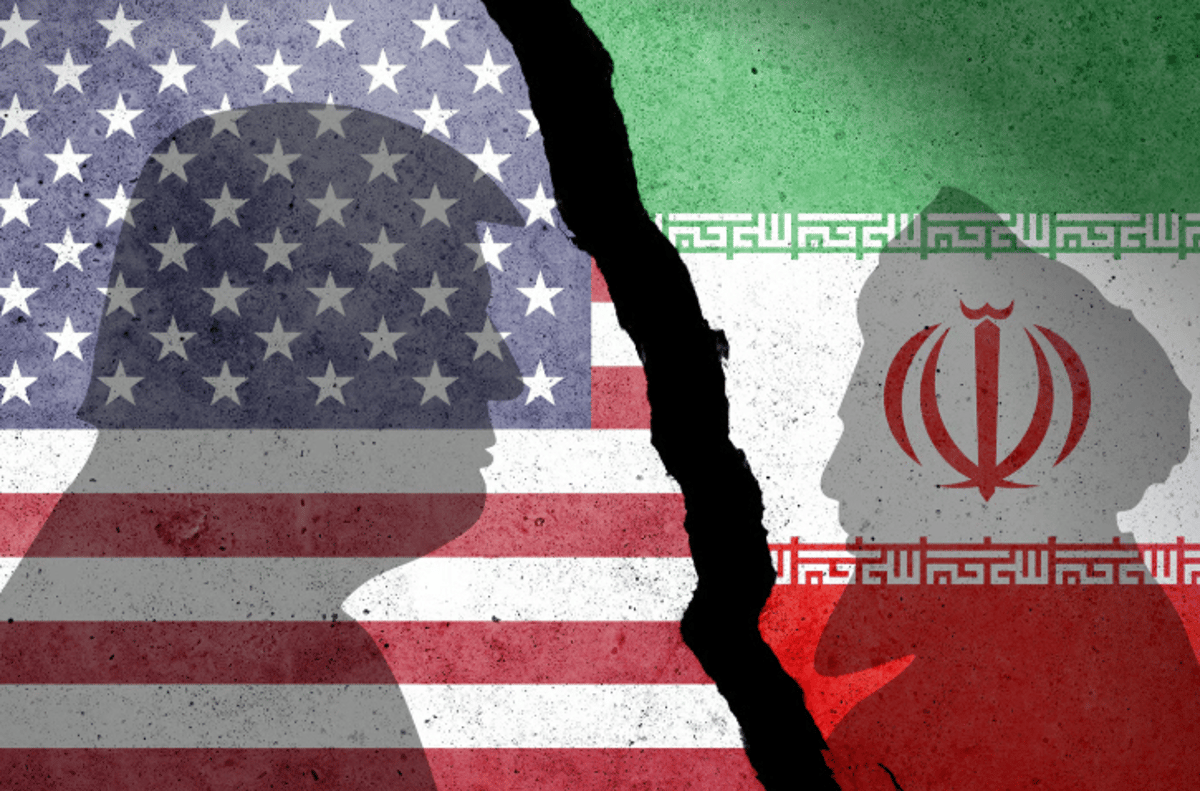
The Squeeze Play

Iran's Demands: Hormuz Control, Frozen Funds

Tehran transmits formal preconditions to mediators after canceling Doha talks • Demands include full Strait of Hormuz control, immediate release of billions in frozen assets, and complete Israeli withdrawal from Lebanon | Nuclear program remains off the table (World News)

USA vs Iran

Iran has transmitted a detailed list of preconditions to international mediators that must be met before Tehran will agree to resume negotiations with the United States, according to a report by Al Jazeera cited by Israeli outlets Tuesday.

The move signals a dramatic hardening of Iran's position following Monday's abrupt cancellation of planned talks in Doha, a cancellation that directly contradicted President Trump's claim that Iran had requested the meeting. Instead of showing up to negotiate, Tehran delivered what amounts to a formal ultimatum outlining its red lines.

At the top of Iran's demands list: full and unconditional control over the Strait of Hormuz, the strategic waterway through which roughly one-fifth of global oil supplies pass daily. Tehran is insisting on absolute authority over the strait with no exceptions, a position that places it on a direct collision course with Washington's stated policy of maintaining freedom of navigation in international waters.


The Iranian position goes further than previous statements. According to sources familiar with the document, Tehran is explicitly rejecting any US attempt to establish an alternative crossing point on the Omani side of the strait, a plan Washington had quietly explored in recent weeks. Iran has declared such efforts a red line that cannot be crossed.

Billions in Frozen Assets, No Strings Attached

On the financial front, Iran is demanding the immediate and unconditional release of billions of dollars in frozen Iranian funds currently held in foreign banks. The demand directly contradicts Trump's recent proposal that the money be transferred to US control and used to purchase humanitarian aid from American agricultural suppliers.

Tehran's position is unambiguous: the funds must be returned directly to Iran with no conditions, no oversight, and no restrictions on how the money is spent. The regime is treating the frozen assets as sovereign wealth that belongs to Iran by right, not as leverage in a broader diplomatic framework.

The demands extend to the Lebanese theater as well. Iran is not merely calling for a reduction in Israeli military operations against Hezbollah positions; it is insisting on a complete and verified cessation of all Israeli strikes in Lebanon, coupled with a full Israeli withdrawal from Lebanese territory.

Perhaps most significantly, Iran has declared its nuclear program entirely off-limits in any future negotiations. The position reflects the influence of hardline elements within the regime who view the nuclear program as a matter of national sovereignty that cannot be subject to external constraints or international oversight.

Diplomatic Whiplash Continues

The Iranian ultimatum comes amid what observers are calling unprecedented diplomatic volatility. Just hours after Trump announced Monday that talks would resume Tuesday in Doha, Iran's deputy foreign minister publicly denied any such plans, stating that Tehran was engaged only in technical discussions with Qatari officials.

The contradictory statements highlight the extreme fragility of the current diplomatic framework. The memorandum of understanding signed between Washington and Tehran remains deeply contested, with hardliners in both capitals questioning its legitimacy and sustainability.

Adding to the pressure, nearly three-quarters of Iran's powerful Assembly of Experts, the clerical body responsible for selecting the Supreme Leader, have signed a document formally defining red lines for Iranian negotiators. The move signals that any deal perceived as compromising Iran's core interests will face fierce internal resistance.

The Trump administration has not yet formally responded to Iran's list of demands. Secretary of State Marco Rubio warned Monday of potential "chaos" if Iran and Oman proceed with plans to jointly collect fees from ships transiting the Strait of Hormuz, but stopped short of outlining specific consequences.

Further updates to follow as the situation develops.

Ready for more?

Join our newsletter to receive updates on new articles and exclusive content.

We respect your privacy and will never share your information.

Enjoyed this article?

Yes (22)
No (1)
Follow Us:

Unmissable content


Loading comments...

Also of Interest