The Broadcast That Shook Tehran

Iranian MP Fired Live on Air After Reading Khamenei's 'Top Secret' Letters 

Hardline parliamentarian reads classified Khamenei correspondence on state TV • Broadcast abruptly cut as regime scrambles to contain damage | Criminal charges filed (Middle East)

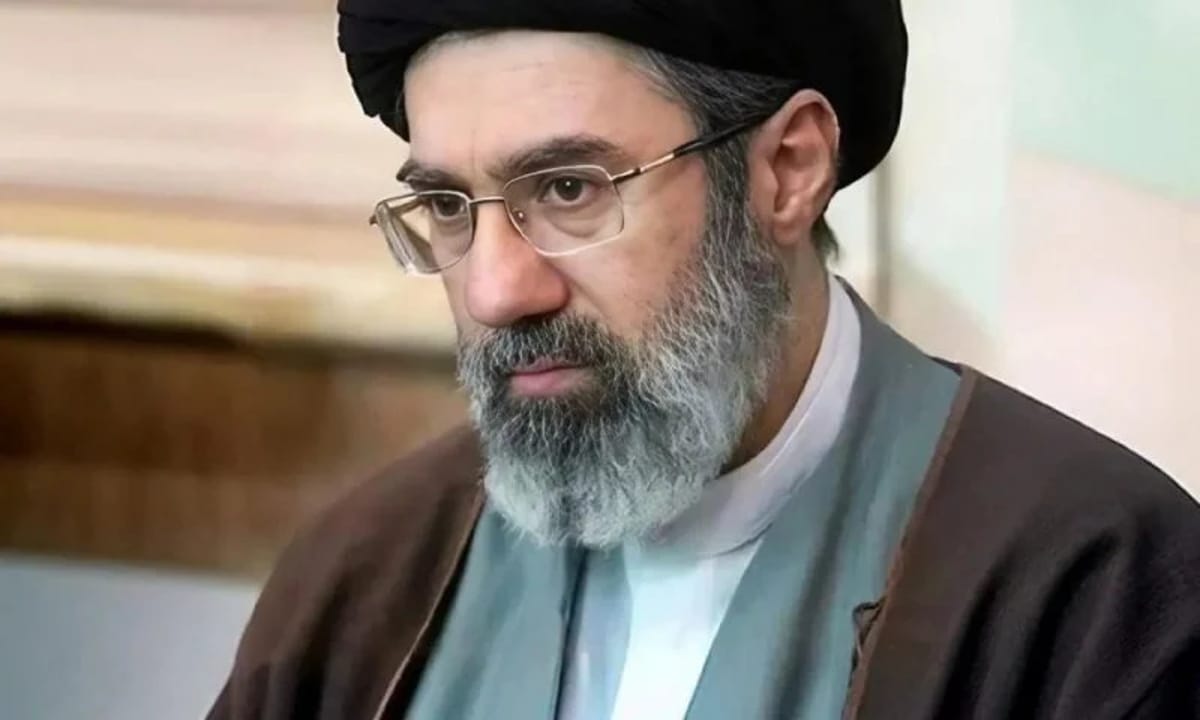
Mojtaba Khamenei, New supreme leader
Mojtaba Khamenei, New supreme leader (Photo: Iranian Sources)

A stunning broadcast meltdown on Iranian state television has triggered a political firestorm in Tehran, after a hardline parliamentarian began reading classified correspondence from Supreme Leader Mojtaba Khamenei live on air — only to be abruptly cut off and fired moments later.

Mahmoud Nabavian, a member of Iran's influential National Security and Foreign Policy Committee, stunned viewers during what was supposed to be a routine interview when he pulled out documents he described as "top secret" letters and internal communications from Khamenei himself. The move, clearly intended as a protest against the regime's diplomatic posture, sent producers scrambling to kill the feed.

Within minutes of the broadcast being terminated, Iran's state broadcasting authority announced it was pursuing criminal charges against Nabavian for disclosing classified state secrets. A senior network executive was forced to resign immediately, according to sources familiar with the matter.
Khamenei's Hidden Demands Exposed

Before the feed was cut, Nabavian managed to reveal explosive details about Khamenei's true position on the ongoing nuclear negotiations with the United States — a stance sharply at odds with the public messaging from Iran's diplomatic team currently in Switzerland.

According to the classified letters Nabavian cited, Khamenei expressed fierce opposition throughout April to the direction of talks with Washington, repeatedly questioning why Iranian negotiators were abandoning the regime's core red lines. The Supreme Leader made clear, Nabavian stated, that Iran faced no time pressure whatsoever and should never rush into an agreement at any cost.

The documents revealed that Khamenei's sole objective for the talks was securing an end to the war and extracting massive financial compensation from the West — not addressing Iran's nuclear program. In fact, the Supreme Leader explicitly ordered negotiators to remove the nuclear issue from the agenda "forever," unless the international community granted Iran full recognition of its right to enrich uranium without restrictions.

"The conditions the Supreme Leader set have been completely erased from the final memorandum," Nabavian declared before the broadcast was terminated. The revelation directly contradicts Khamenei's recent public statement claiming he reluctantly authorized the framework.

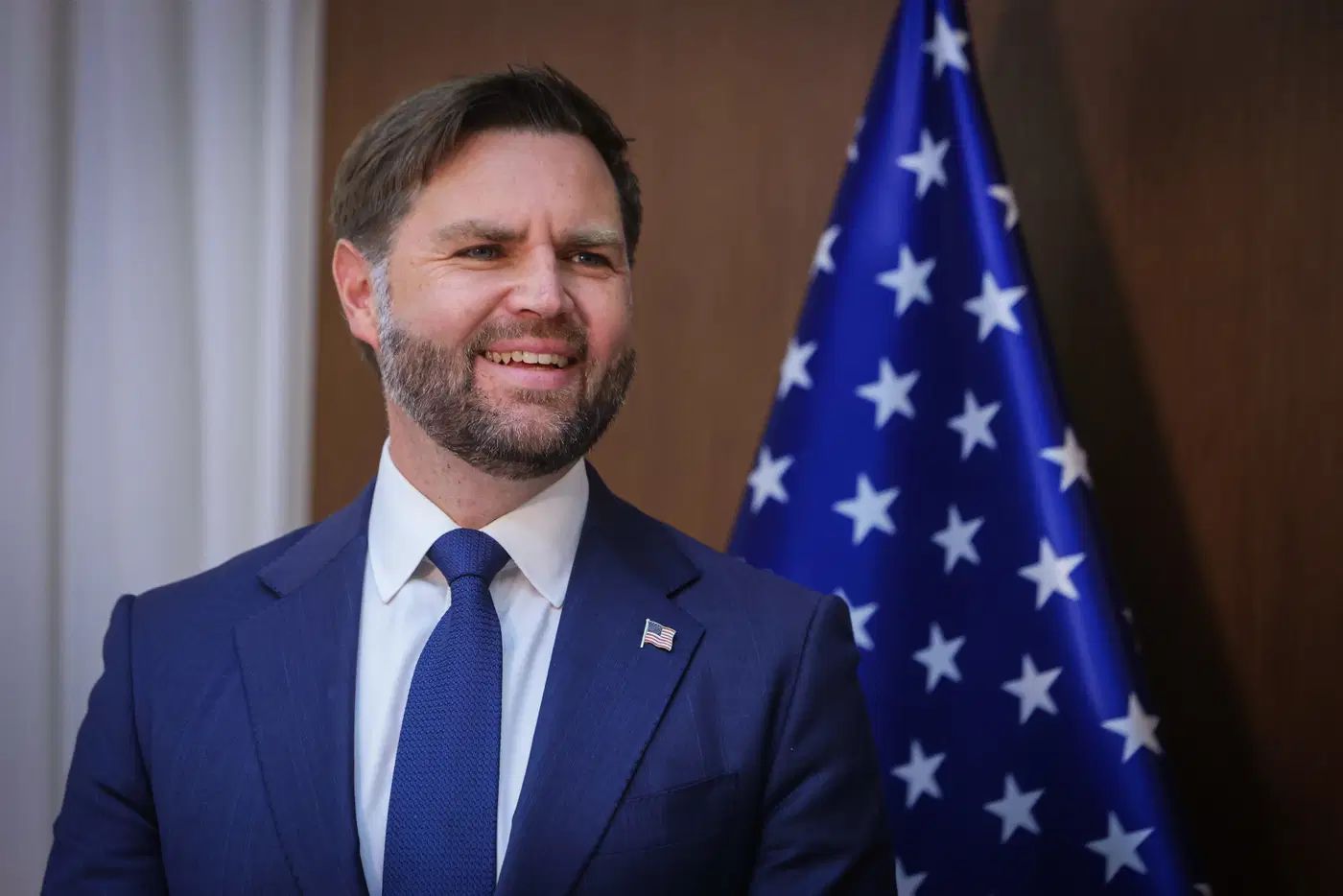
JD Vance
JD Vance (Photo: Marc Israel Sellem / POOL)

The Hormuz Ultimatum

Beyond the nuclear file, Nabavian's leaked documents exposed an aggressive Iranian strategy for controlling maritime traffic through the Strait of Hormuz — the strategic chokepoint through which roughly a fifth of global oil supplies pass daily.

According to the classified directives, Khamenei views the strait as Iran's exclusive leverage point against the West and has categorically rejected any power-sharing arrangement, even with neighboring Oman. The Supreme Leader established a rigid hierarchy for vessel passage: ships from Iranian-aligned nations would transit freely without fees, neutral vessels would face heavy tolls, and certain flagged ships would be stopped entirely by force.

The timing of the leak could not be more damaging for Tehran. Iranian negotiators are currently in Switzerland for high-level nuclear talks, and the exposure of Khamenei's hardline positions threatens to derail the entire diplomatic process. Israeli intelligence agencies have already assessed that Khamenei approved the preliminary framework purely as a tactical maneuver to relieve economic pressure while preserving Iran's path to a nuclear weapon.

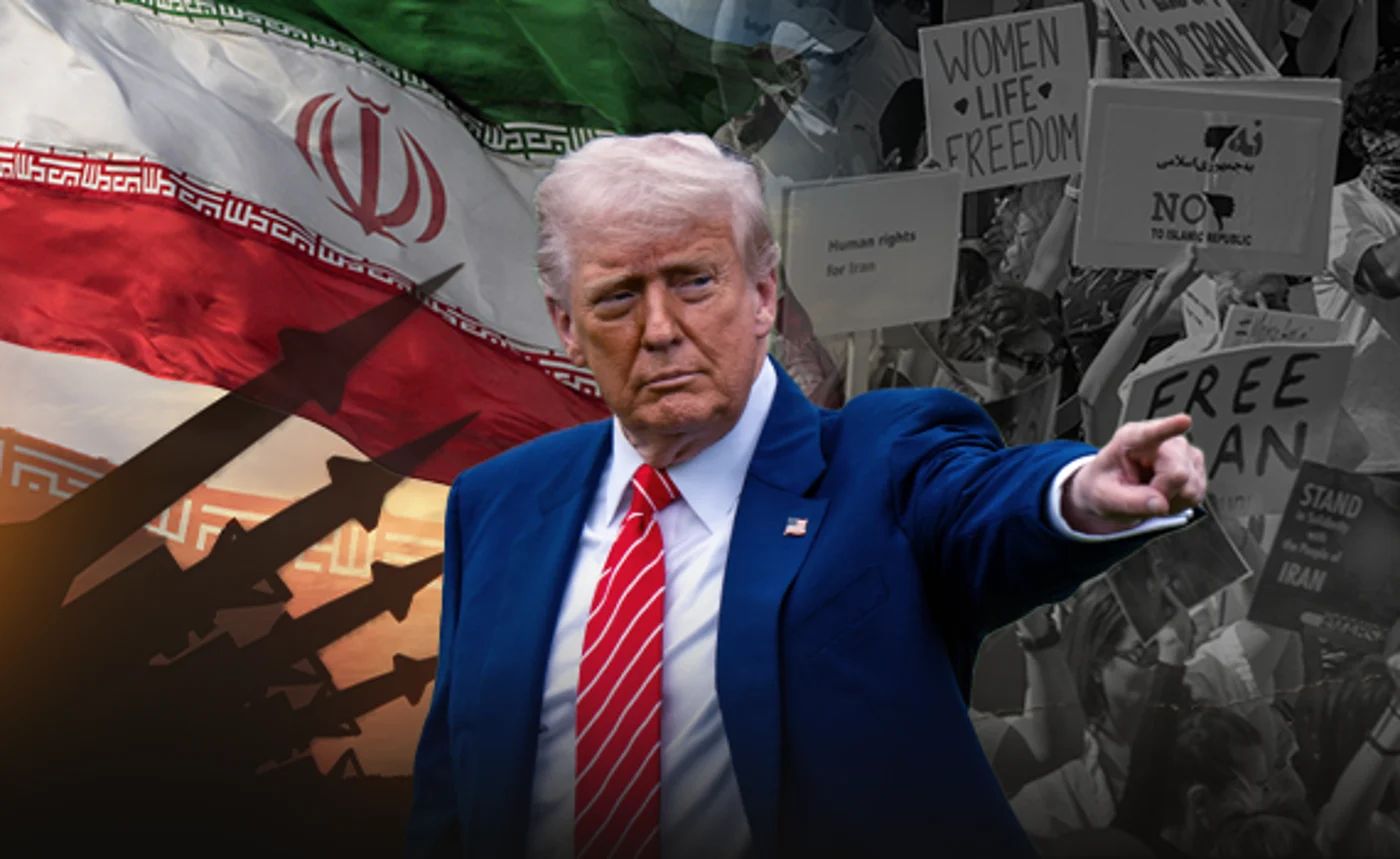
President Donald Trump
President Donald Trump (photo: Abed Rahim Khatib / Flash 90 )

Regime Scrambles to Contain Fallout

The abrupt termination of the broadcast and the swift legal action against Nabavian signal the regime's alarm at the potential diplomatic damage. State media has gone into damage-control mode, with no mention of the incident appearing on official channels beyond the terse announcement of criminal proceedings.

The leak comes as the Trump administration faces mounting criticism over the Iran framework, with Israeli officials calling it "a horrible deal for Israel" that fails to address Tehran's ballistic missile program or regional proxy networks. The revelation that Khamenei's actual demands were far more extreme than what appeared in the final text may fuel further skepticism in Washington and Jerusalem about Iran's genuine intentions.

For Nabavian, a member of the hardline faction that has long opposed any accommodation with the West, the broadcast appears to have been a calculated act of defiance — one that may cost him far more than his television appearance. Iranian authorities have not yet specified what charges will be filed, but disclosure of state secrets in the Islamic Republic can carry severe penalties.

Ready for more?

Join our newsletter to receive updates on new articles and exclusive content.

We respect your privacy and will never share your information.