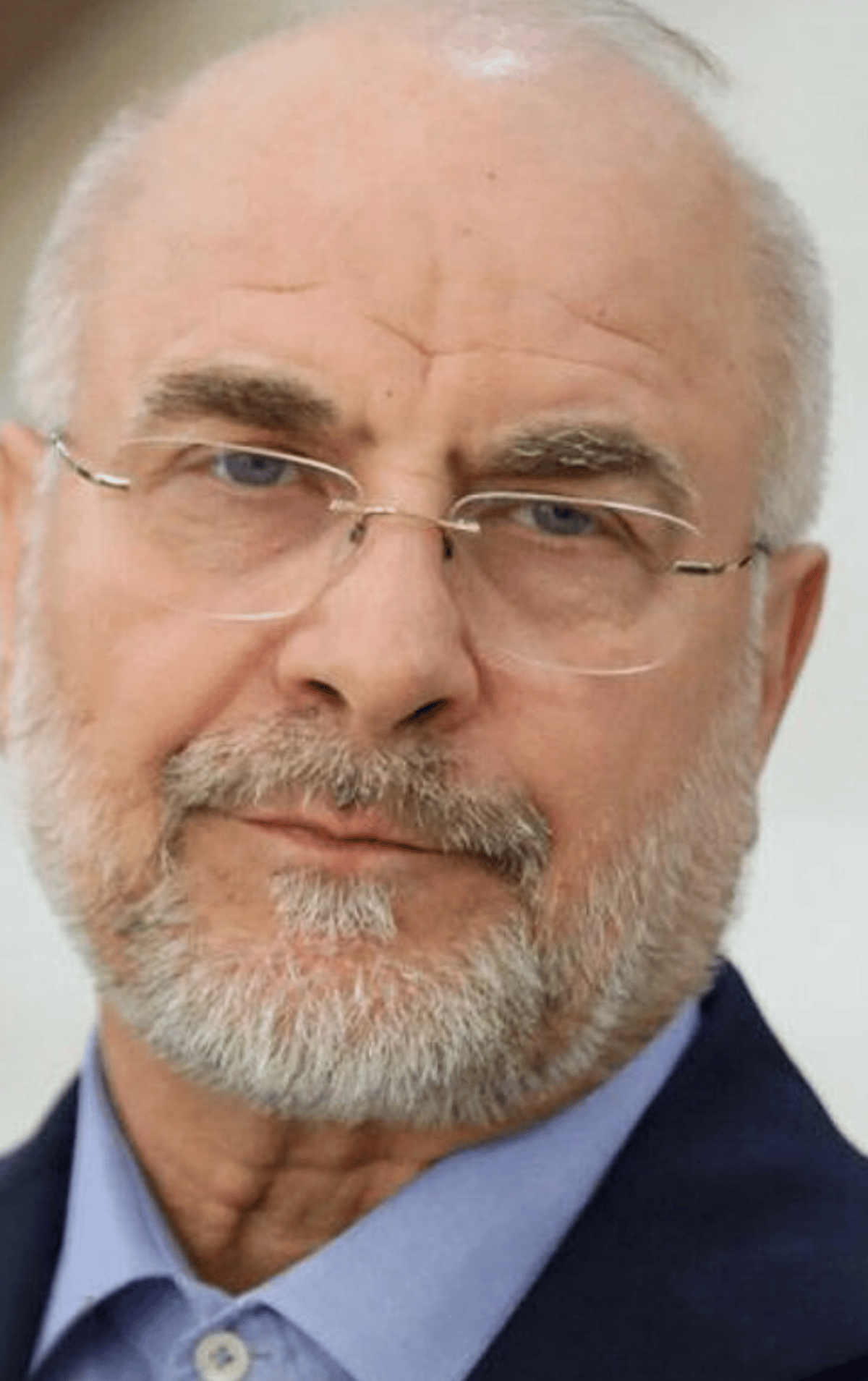
Iranian Parliament Speaker Mohammad Bagher Ghalibaf warned Tuesday that Tehran will not enter a new round of negotiations with Washington until the United States implements the terms of the memorandum of understanding signed earlier this month.
Ghalibaf said Iran considers two issues central to the agreement: a formal end to the war and the removal of restrictions on maritime movement through the Strait of Hormuz. He added that Tehran remains engaged through Pakistani and Qatari mediation only on the implementation of the existing document, not on a new diplomatic framework.
“If the United States refuses to implement what was agreed, we are also ready for war,” Ghalibaf said, according to regional reports. “Iran is not conducting new negotiations. The talks continued only until the memorandum of understanding was signed, and the latest contacts are focused only on implementing its main provisions.”
The warning comes as U.S. envoys Steve Witkoff and Jared Kushner arrived in Doha for discussions with Qatari mediators. Qatar has said no direct high-level meeting with Iranian officials is currently scheduled, despite continued technical contacts through intermediaries.
At the heart of the dispute is the Strait of Hormuz. Iran says it is committed to safe passage under the agreement, but only under conditions that recognize its role in managing the waterway. Western officials say Tehran has not fully reopened the strait and that commercial shipping remains dependent on U.S. naval protection.
Iranian officials have also signaled that free passage through Hormuz may last only for a limited 60-day period, in line with the memorandum. After that, Tehran is seeking a mechanism that would allow it to collect fees from vessels passing through the strait.
That demand has opened a second dispute, this time with Oman, which controls the southern side of the strategic passage. According to Western diplomats, Oman has proposed a softer system of “special service fees,” under which vessels that do not pay would still be allowed to pass. Iran, by contrast, wants mandatory payments from all ships seeking passage.
The American position is closer to Oman’s: Washington is demanding continuous and unrestricted navigation through the strait, without Iranian tolls or coercive control.
The crisis has exposed a deeper struggle inside Tehran. Civilian leaders around President Masoud Pezeshkian are pushing for the release of billions of dollars in frozen Iranian funds, hoping to stabilize an economy battered by war, sanctions, inflation, and damage to the country’s oil industry.
The Islamic Revolutionary Guard Corps, however, views Hormuz as a strategic prize. According to officials familiar with the talks, the IRGC wants to preserve full control over the waterway and create a payment mechanism that could bring Iran billions of dollars annually.
For the Guards, control of Hormuz may be more valuable than the immediate release of frozen assets. It gives Tehran leverage over global energy markets, regional shipping, and the United States itself.
The money dispute is also unresolved. Iranian officials say billions of dollars held in Qatar are supposed to be released under the understanding. But a U.S. official said Washington has not released any portion of the funds and will not do so until Tehran meets specific conditions. The funds, if released, are expected to be restricted to humanitarian purchases rather than handed directly to the Iranian government.
The result is a fragile standoff: Iran demands implementation before further negotiations, while Washington insists Tehran must first prove compliance.
Recent attacks on commercial shipping have deepened the crisis. One vessel struck near Omani waters reportedly carried Qatari oil, a significant signal given Qatar’s role as a central mediator between Tehran and Washington. U.S. forces responded by striking maritime facilities used to threaten shipping, delaying the diplomatic process and helping shift the talks from Switzerland to Qatar.
Shipping data has shown a sharp fall in traffic through the strait in recent days, underscoring the risks to global energy flows. Even after the ceasefire, the practical question of who controls Hormuz remains unresolved.
The dispute now threatens to overwhelm the broader diplomatic process. What was supposed to be an initial peace framework has instead become a test of power: between Washington and Tehran, between Iran and Oman, and inside Iran itself between a civilian leadership seeking economic relief and a military establishment determined to preserve strategic leverage.
For now, Tehran’s message is blunt: no new negotiations, no final deal, and no surrender of Hormuz without guarantees.
And if Washington refuses, Ghalibaf says Iran is prepared for another round of confrontation.