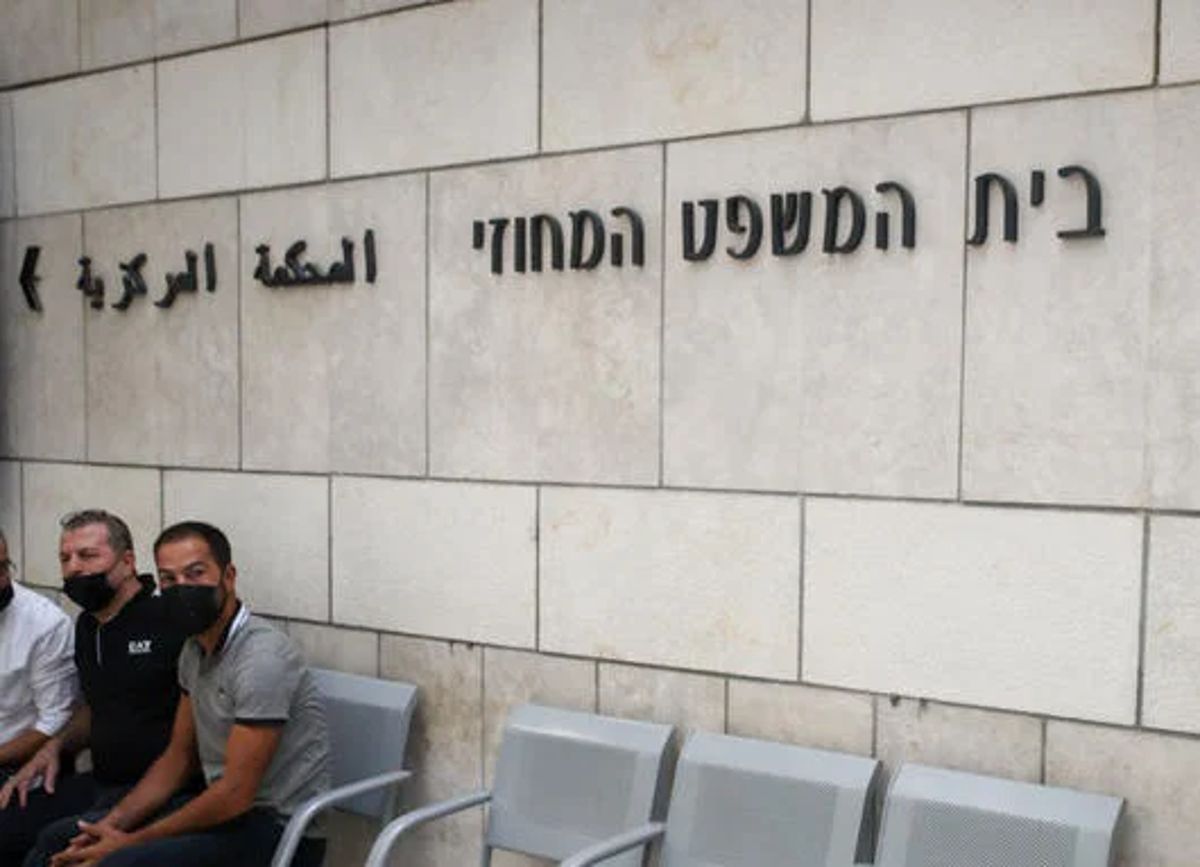
Israeli Judge Shows No Respect for Shabbos
District Court Judge Michael Karshen issued decision 90 minutes before Moztaei Shabbos in petition against Charedi municipality • Judicial Authority responds to criticism: 'Possibly due to lack of attention' | The timing raises questions (Crime & Justice)

A storm erupted in Israel's judicial and Charedi communities after District Court Judge Michael Karshen issued a ruling on Shabbos itself in a sensitive administrative petition against the Charedi municipality of Elad. The decision, delivered approximately 90 minutes before Shabbos ended last Motzaei Shabbos, has drawn sharp criticism from those questioning the urgency that required judicial action on the day of rest.
The ruling came in response to a petition filed by Elad City Council member Yitzhak Chalah against the municipality, alleging improper administration and extreme lack of transparency in the local authority's operations. According to Galei Tzahal journalist Tuvia Yegelnik, who first reported the story, the timing of the decision raised immediate questions about whether the matter genuinely warranted intervention on Shabbos.
Sources familiar with the case emphasized that the petition involves complex administrative claims but contains no emergency component that would justify a Shabbos ruling. "This is not a matter requiring a decision on Shabbos," one source stated, noting the absence of any life-threatening situation or urgent public safety concern.
Judicial Authority Acknowledges Possible Error
In response to mounting criticism, the Judicial Authority issued a statement acknowledging the problematic timing. "This was a technical decision in the case — and it is possible that due to lack of attention, the decision was given a short time before the end of Shabbat," the statement read.
The incident adds to existing tensions between Israel's haredi community and the judicial system. Just weeks earlier, the Commissioner for Public Complaints on Judges issued harsh criticism against Supreme Court justices for a similar incident involving a ruling delivered on Shabbos. That case sparked widespread debate about judicial sensitivity to religious observance, particularly when cases involve haredi municipalities or litigants.
Despite the controversy, Elad municipality officials have chosen not to file a formal complaint against Judge Karshen with relevant authorities. The decision to refrain from escalating the matter suggests a pragmatic approach, though sources indicate the timing remains a point of concern within the haredi community.
Pattern of Judicial-Haredi Friction
The Elad ruling comes amid escalating friction between Israel's judicial system and haredi communities on multiple fronts. Recent weeks have witnessed mass protests over yeshiva student arrests, with the Eidah Chareidis ordering the closure of all kollelim and mobilizing thousands to prison gates nationwide.
The Jerusalem Faction has launched nationwide disruption campaigns, promising "surprises" at undisclosed locations to protest the detention of students who refused military draft summons. These developments have created an atmosphere of heightened sensitivity around any perceived judicial overreach into Charedi affairs.
Legal experts note that while judges possess broad discretion in managing their dockets, the timing of non-urgent decisions affecting religious communities requires particular care. The Judicial Authority's acknowledgment of possible "lack of attention" suggests internal recognition that procedural safeguards may need strengthening to prevent similar incidents.