Lebanon Crisis Deepens

Rubio Slams Hezbollah's Naim Qassem: 'Stop Destabilizing Lebanon or Face Consequences'

Secretary of State accuses terror group of ignoring truce terms • Drone attacks kill IDF soldiers as fragile ceasefire crumbles | Lebanese leaders seek American support (World News)

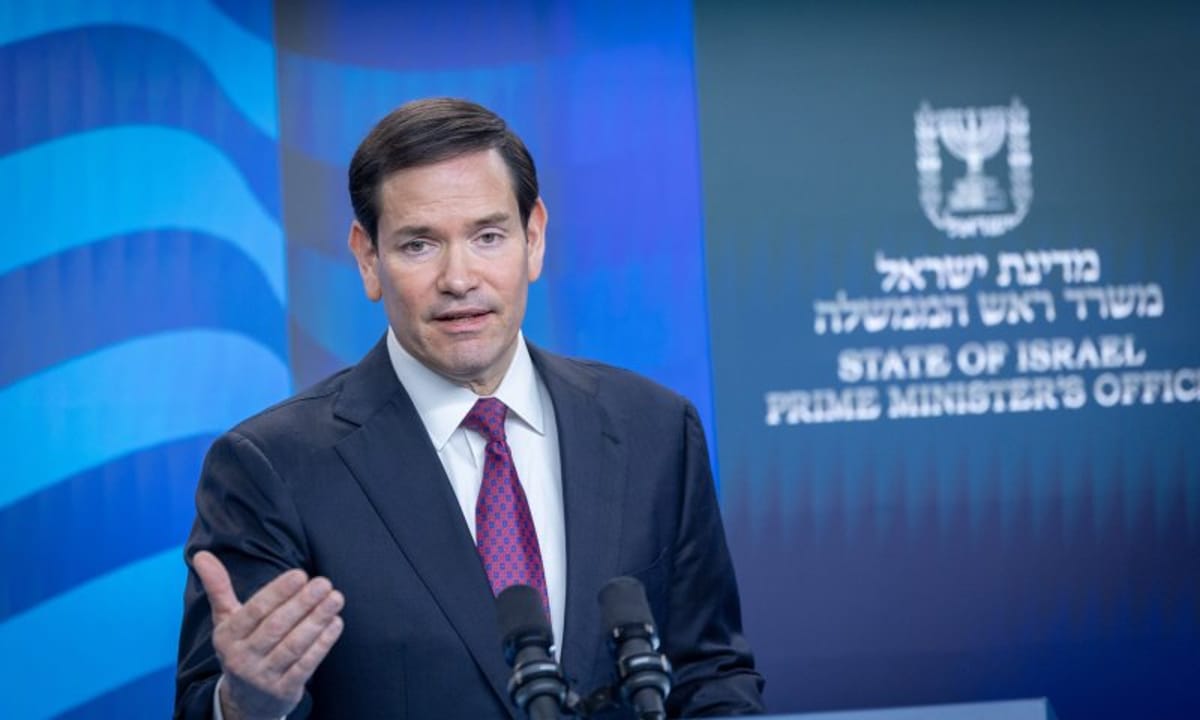
Marco Rubio
Marco Rubio (Photo: Chaim Goldberg / Flash90)

Secretary of State Marco Rubio issued a sharp condemnation of Hezbollah's deputy leader Naim Qassem on Sunday, accusing the Iran-backed terror organization of deliberately undermining Lebanon's stability by inciting mass protests aimed at toppling the government. The rebuke comes as the fragile ceasefire between Israel and Hezbollah, extended from mid-April, faces mounting violations that threaten to collapse the arrangement entirely.

Rubio's statement emphasized that Hezbollah has systematically ignored the terms of the truce, continuing to launch rocket attacks into Israeli territory and moving weapons southward in direct violation of the agreement. The Secretary of State's remarks reflect growing American frustration with the terror group's actions, which have complicated broader diplomatic efforts between Washington and Tehran.

The ceasefire violations have taken a deadly toll on Israeli forces operating in southern Lebanon. On Sunday afternoon, Corporal Nehorai Leizer, 19, from Eilat, was killed when a Hezbollah explosive drone struck his armored vehicle near the Christian village of Dabl, close to Bint Jbeil. The attack occurred at approximately 3:30 p.m. and also left a second soldier seriously wounded. Leizer, who served in the 601st Combat Engineering Battalion of the Iron Tracks Brigade, was posthumously promoted from private first class to corporal.

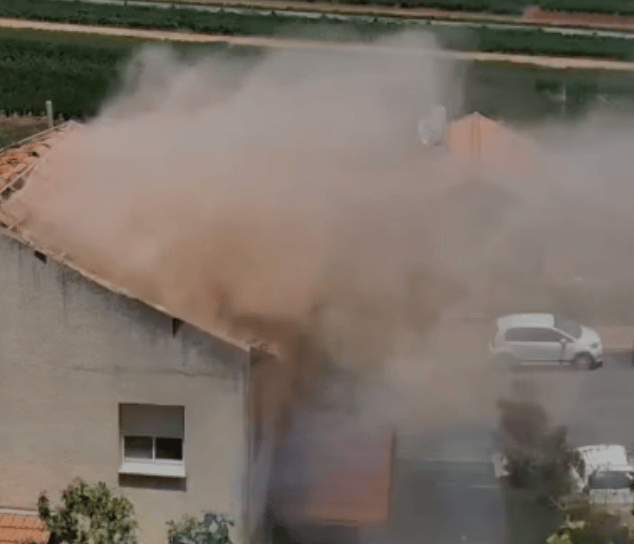
The incident was part of a broader pattern of escalating drone warfare. Earlier on Sunday, Hezbollah launched four separate drone infiltrations into Israeli territory in a single day, including a strike on a house in the northern town of Metula. Miraculously, no casualties were reported in that attack, though the frequency and sophistication of the assaults have alarmed Israeli security officials.

Nehorai Leizer HYD wuth his parents

Military investigations have revealed the extent of Hezbollah's tactical capabilities. A detailed probe into the severe wounding of Brigade Commander Colonel Meir Biderman disclosed that the attack involved a coordinated swarm of at least six explosive drones targeting a single structure over several hours. The assault represents one of the most sophisticated uses of remote aerial weaponry encountered by Israeli forces since the war began, underscoring Hezbollah's continued operational capacity despite the ceasefire.

Lebanese Leaders Welcome American Support

Against this backdrop of violence, Lebanese political figures have expressed cautious optimism about American engagement. Prominent Lebanese leader Fouad Makhzoumi welcomed U.S. backing for the principle of "one state, one army," a formula that would theoretically subordinate Hezbollah's military apparatus to the Lebanese Armed Forces. Makhzoumi and other officials have also appealed for reconstruction assistance, as large swaths of southern Lebanon remain devastated from previous rounds of conflict.

Hezbollah Drone Strikes House in Metula
Hezbollah drone strikes home in Metula

The Lebanon situation has emerged as a critical obstacle in broader U.S.-Iran negotiations. Speaking to reporters in New Delhi on Sunday, Rubio confirmed that talks between Washington and Tehran are advancing, stating he expected "more news on Iran later today." However, the fundamental disconnect between American and Iranian characterizations of the negotiations has become increasingly apparent. While U.S. officials describe a deal framework as "largely negotiated," Iranian counterparts have publicly denied that key elements—including the nuclear program—are even under discussion.

Tehran has introduced additional complications by demanding the immediate release of $12 billion in frozen assets currently held in Qatar before agreeing to continue negotiations. The financial ultimatum, conveyed through sources with direct knowledge of the talks, represents a significant escalation in Iran's negotiating posture at a moment when American officials had expressed optimism about reaching an agreement.

The proposed instrument under discussion is a Memorandum of Understanding, not a formal treaty, crafted by Steve Witkoff and Jared Kushner alongside Iranian officials. President Trump declared on Saturday that the agreement was "largely negotiated" and that an announcement would come "shortly," but Iran's state media has contradicted parts of the reported framework, highlighting the fragility of the diplomatic process.

USA, Iran
USA, Iran (Photo: Shutterstock )

Rubio emphasized that Iran will not obtain a nuclear weapon under the Trump administration. "The goal is that Iran never has a nuclear weapon. That will not happen, at least as long as Trump is president of the United States," he stated, defending the administration's record. "No one has been stronger and tougher on Iran's nuclear issue than him, he is the only one who has done anything."

The Lebanon crisis has become a test case for whether broader U.S.-Iran diplomacy can succeed. Hezbollah's continued violations of the ceasefire, combined with its political maneuvering inside Lebanon, demonstrate the limits of Tehran's willingness (or ability) to constrain its most powerful regional proxy. For Israeli communities in the north, the daily drone infiltrations and rocket attacks have made the ceasefire feel increasingly hollow, even as diplomatic efforts continue behind the scenes.

As negotiations proceed, the gap between Washington's public optimism and the reality on the ground in Lebanon remains stark. Whether Rubio's condemnation of Qassem will translate into meaningful pressure on Hezbollah, or whether the terror group will continue to operate with impunity, may ultimately determine the fate of both the ceasefire and the broader U.S.-Iran diplomatic framework.

Ready for more?

Join our newsletter to receive updates on new articles and exclusive content.

We respect your privacy and will never share your information.