"I'm like everyone else, no legs but my head works"
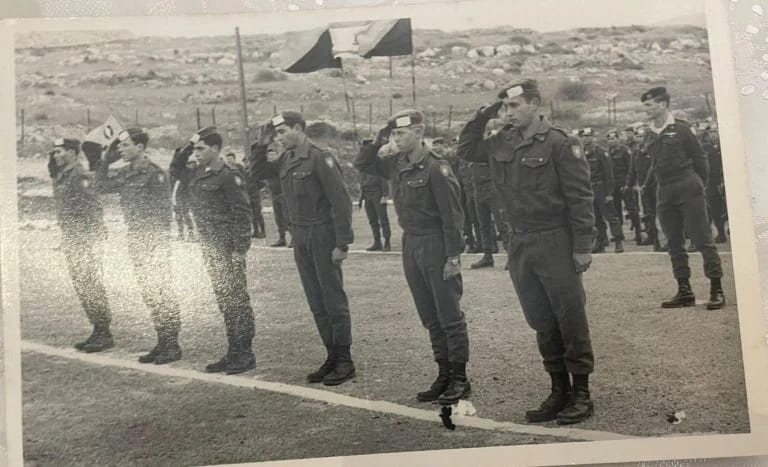
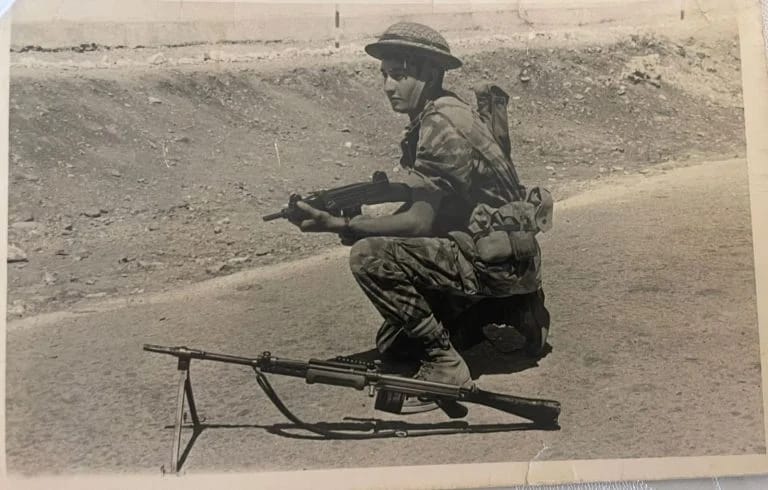
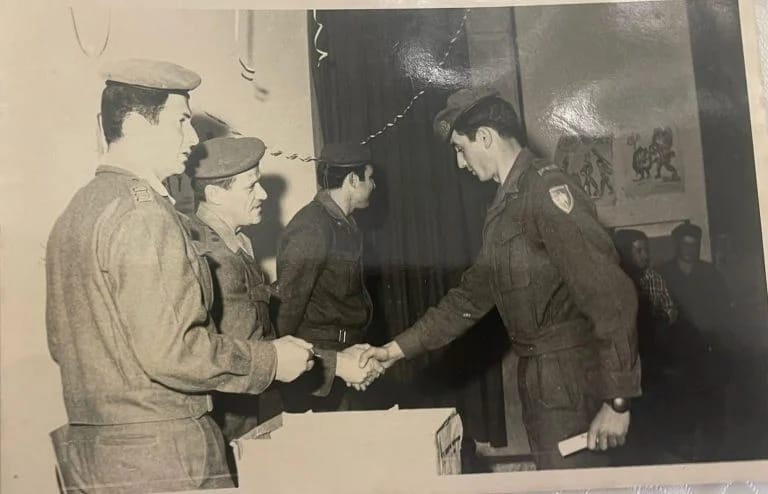
When the war broke out David was 23 years old, married and the father of a two and a half month old baby. He dreamed of pursuing a military career, was a candidate to study at the Technion and serve as chief engineering officer, but the injury interrupted his plans, he was released and turned to civilian life. "Someone from above decided that way, and I don't give up on anything, I'm like everyone else, although I don't have legs, but my head works, everything is possible."
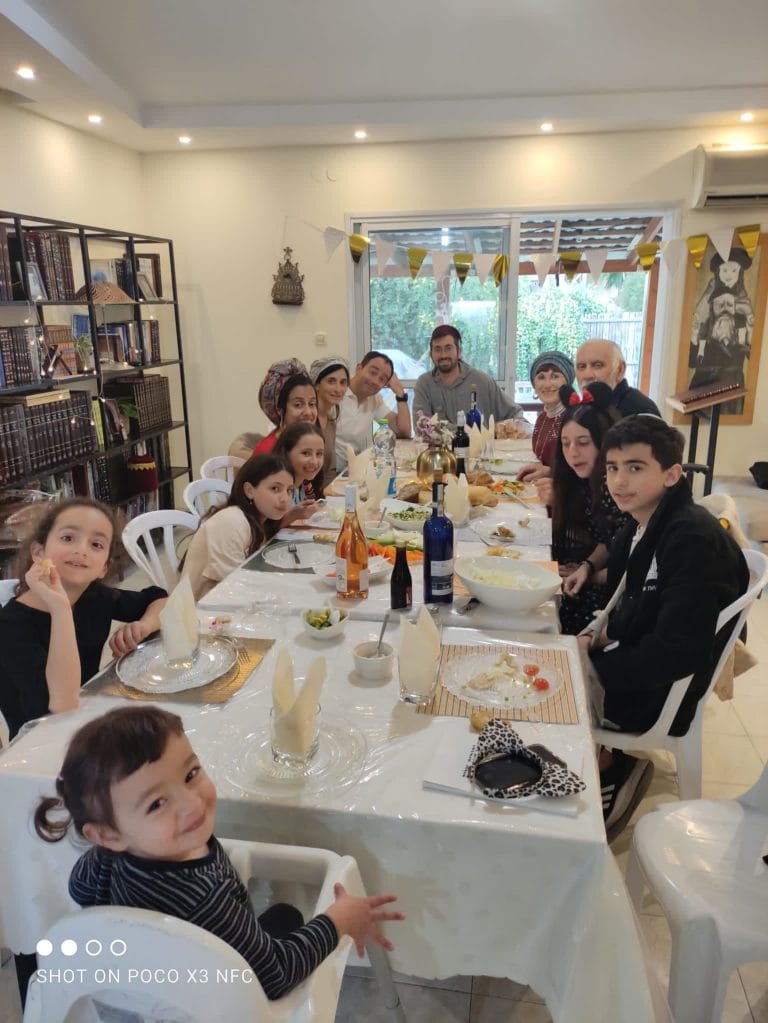
Indeed, David did not give up on himself. He worked as a vice president at the Isracard company, 900 employees worked under him, and was also a member of the company's management for 15 years. After the war, he had three more children, and then grandchildren, and he already managed to raise two of his granddaughters. In recent years, he took on himself to be involved in the community and was a cantor, a reciter, a scribe and taught boys to read the Torah in preparation for the Bar Mitzvah as a complete volunteer. David retired at the age of 62 and devoted his time to a Torah life.
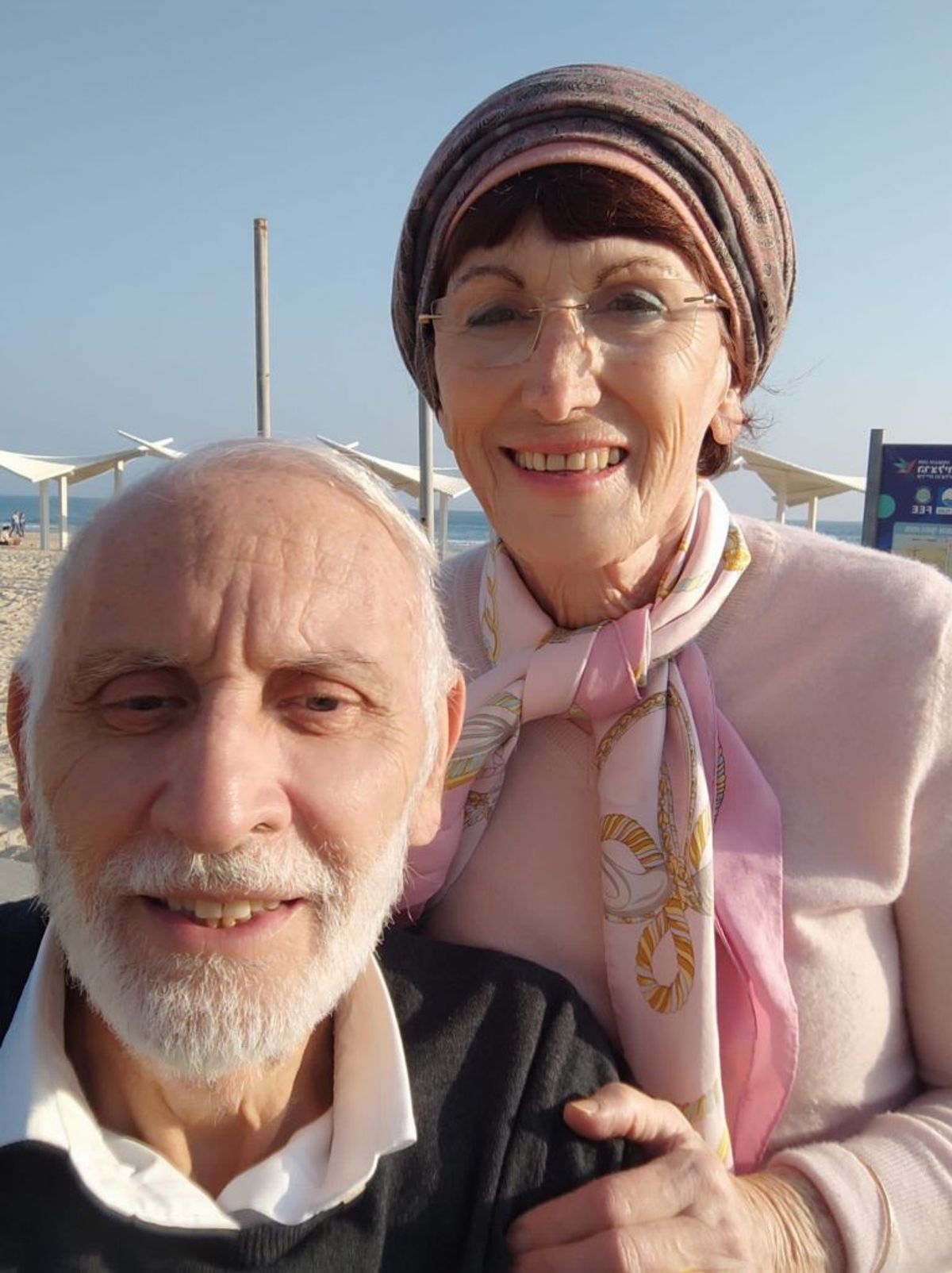
David and his wife Michal moved to the town of Eli three years ago, following his wife who traveled a lot in the area and fell in love with the place. He is happy about the choice and loves Binyamin but points out with pain that there is no awareness of accessibility "young people live here who do not know the need of disabled people in wheelchairs", optimistic as usual he points out that winds of change are blowing in the settlement.
Fifty years later
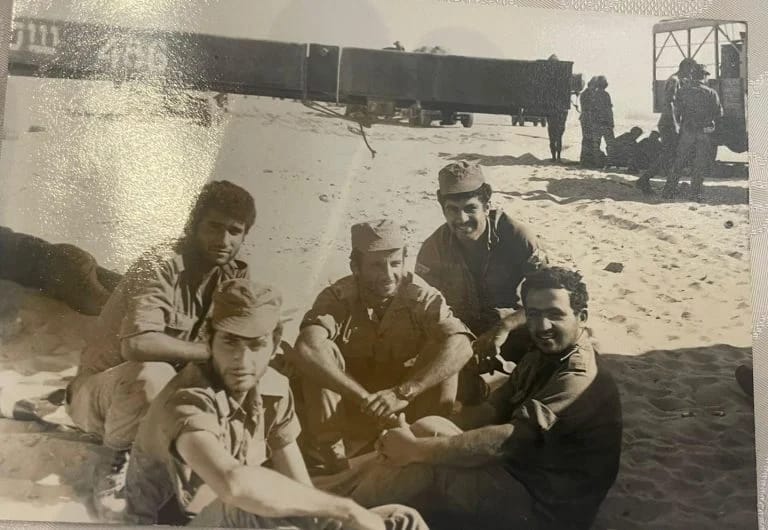
Fifty years after the war, David looks back and still wonders how the upper echelons did not understand what the junior officers in the field perceived. Shortly before the war, David was sent by the commander of the Southern Command to report to the commander what was happening in the Suez Canal, he prepared a report that "a war is going to break out very, very soon", he passed the report to a chief engineering officer and it is not clear to this day whether he was transferred to the commander of the command. But he already knew. He told his wife that this Kippur would be different, at 9:30 on Yom Kippur he left for the front. At 2:00 p.m. alarms were already going off all over the country.
"My wife is my biggest support, everything thanks to her"
When I ask David if there is anything he would like to add, David humbly says: "I attribute all my rehabilitation to my family and especially to my wife, the biggest support I had after the injury, she was only 22 years old with a small baby.
Yet she supported and understood in her wisdom how not to let me sink, she activated me, with her help I discovered that I could do anything. To her credit, it can be said that her awareness of rehabilitation was greater than mine, far greater than mine."
David Cohen, has been dealing with the injury for 50 years, although he is in a wheelchair but stands firm in his strong faith in the Creator of the world. Today he gives lectures in military forums and to the general public about what happened in the trench during the Yom Kippur War and the war after the war - about his rehabilitation from the injury after the war on the holy and terrible day.