Supreme Court Threatens to Cancel State Comptroller Election Over Secret Ballot Violations
Deputy President Sohlberg proposes dramatic settlement: Knesset must re-run the entire election process • Coalition lawmakers photographed ballots to prove loyalty | 'Do it again, cleanly' (Israel News)

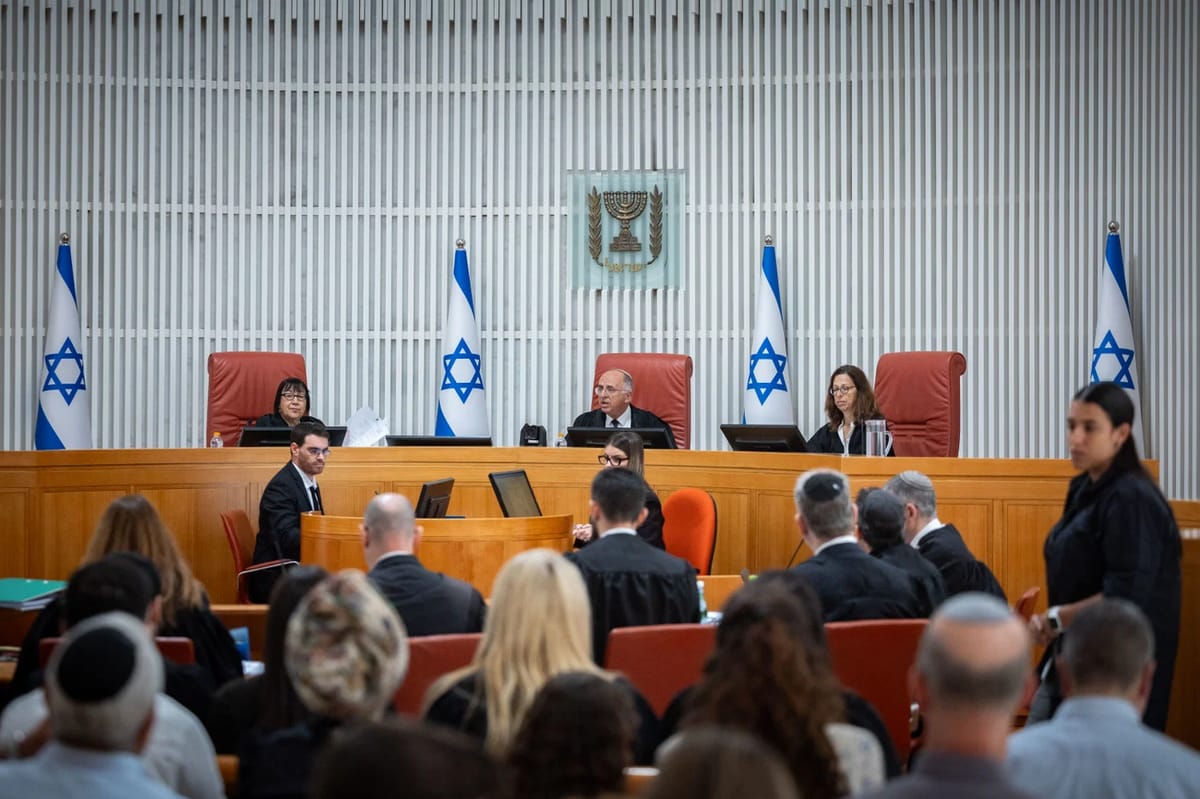
Israel's Supreme Court delivered a dramatic ultimatum to the Knesset on Thursday, proposing to nullify the recent election of State Comptroller Michael Rabilo and demanding a complete re-run of the voting process to eliminate what justices called an "unwanted cloud" hanging over the selection.
In an extraordinary courtroom intervention, Deputy President Noam Sohlberg announced that the judicial panel intends to issue a conditional order invalidating the election due to severe violations of ballot secrecy. The move follows revelations that coalition lawmakers photographed their ballots behind voting screens to prove their loyalty to party monitors.
"We intend to issue a conditional order on the matter of secrecy, not regarding the conflict of interest claims," Sohlberg stated firmly during the hearing. "Right now there is an unwanted cloud, some of the votes are problematic. Knesset members acted contrary to the instructions of the Knesset legal adviser, creating a new rule that allows photography."
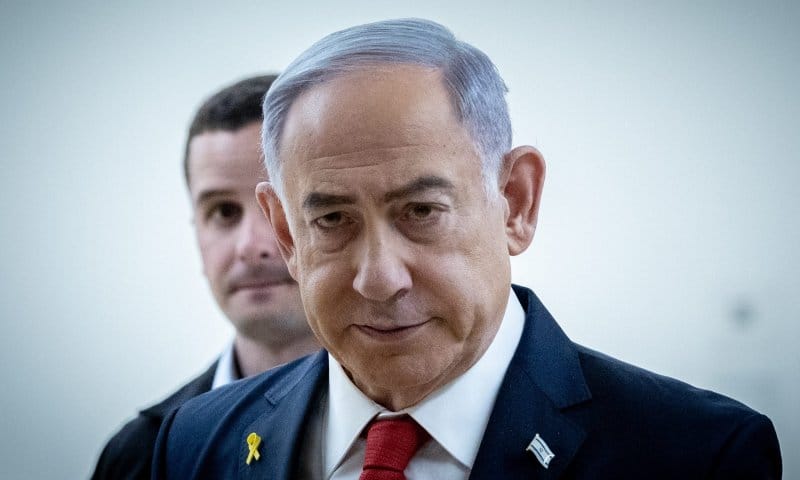
The judicial panel's proposed settlement offers the Knesset a procedural escape route that would avoid direct Supreme Court interference in legislative decision-making. Rather than striking down the election outright, Sohlberg suggested the parliament voluntarily re-run the entire process under proper oversight.
"We are proposing a procedural remedy that does not interfere with the Knesset's discretion - do it again," Sohlberg declared. "Whatever you decide is fine, just in a clean and proper process. We thought this was the right place to propose this."
The scandal erupted during a chaotic parliamentary session earlier this week when opposition lawmakers caught members of the ruling Likud party documenting their physical ballots to demonstrate compliance to party monitors. The discovery triggered fierce shouting matches and forced a total cancellation of the initial voting round.
Coalition Victory Now in Jeopardy
Attorney Michael Rabilo, widely viewed as close to Prime Minister Benjamin Netanyahu, secured the seven-year comptroller position with the support of exactly 61 MKs, the bare minimum required. The narrow victory came after an earlier round exposed internal coalition cracks, with opposition candidate Joseph Elron initially leading by a margin of 60 to 57 votes.

The comptroller position wields immense power over government oversight and anti-corruption auditing, making the appointment a critical strategic priority for Netanyahu. Political analyst Amit Segal noted that the prime minister viewed the comptroller selection as part of a wider strategic move to secure key institutional appointments that could outlast potential electoral defeats.
The Supreme Court granted the parties an exceptionally tight deadline to respond to the proposed settlement, setting Sunday as the final date for submissions. The compressed timeline signals the justices' determination to resolve the constitutional crisis swiftly.
The controversy arrives amid escalating tensions between Israel's judicial and legislative branches. Just days earlier, extremist factions launched a violent raid on Deputy President Sohlberg's private residence in Alon Shvut, smashing windows and uprooting trees to protest his rulings on military draft enforcement for ultra-Orthodox yeshiva students.
Opposition figures have blamed their own leadership for the comptroller debacle, with senior officials telling reporters that Opposition Leader Yair Lapid should have focused on managing the parliamentary battle rather than dealing with internal political tensions. "The failure in the election of the state comptroller is entirely on Lapid," one opposition source told Walla journalist Yehuda Schlesinger.
The judicial panel's intervention marks a rare instance of the Supreme Court offering a procedural compromise rather than issuing a binding ruling. The move appears designed to preserve the separation of powers while addressing what justices view as a fundamental breach of democratic norms.
Further updates to follow.