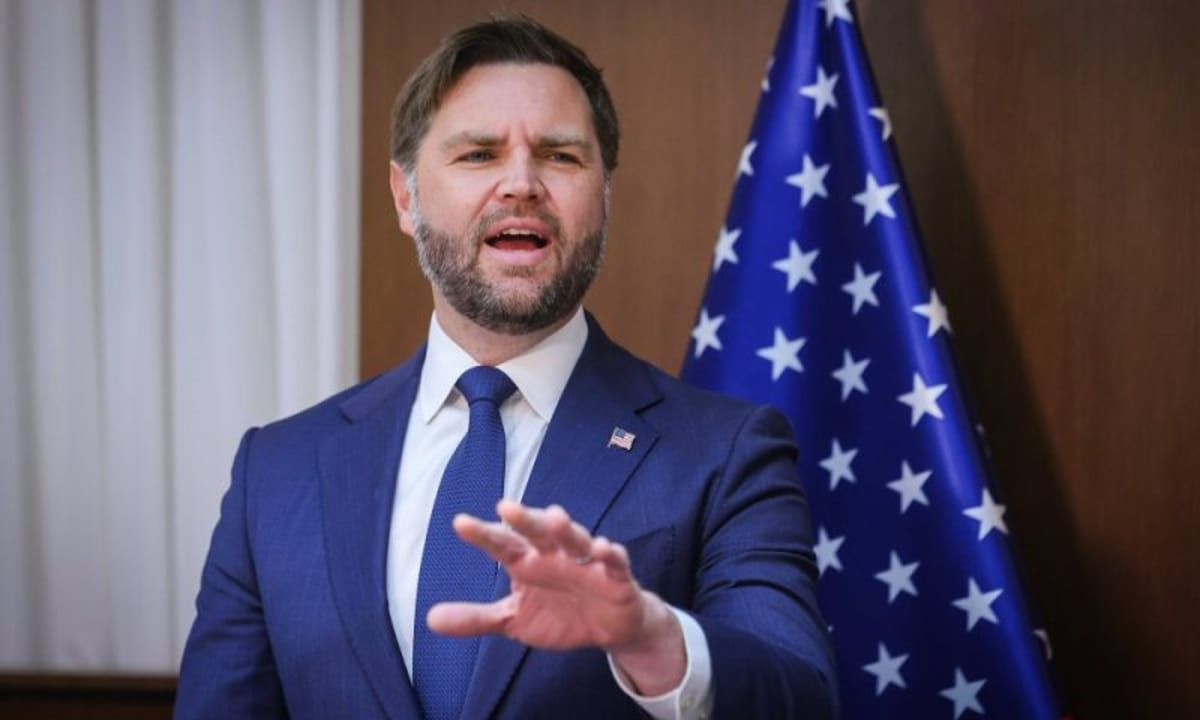
"Bad News for Iran"
"We had some subsequent discussions with the Iranians; that’s the good news," Vance stated. "The bad news is that we have not reach an agreement, and I think that is bad news for Iran than it is for the United States."
The Vice President, joined in Pakistan by a high-level delegation including Jared Kushner and Steve Witkoff, emphasized that the U.S. had established clear red lines regarding Iran’s nuclear capabilities. He noted that while the U.S. showed flexibility on various issues, the Iranian delegation refused to meet core American demands.
"We leave here with a very simple proposal, a way for the Iranians to understand that this is the final and best offer they will receive," Vance warned.
Nuclear Red Lines
The primary focus of the talks, according to Vance, was ensuring a permanent end to Iran's nuclear ambitions. While he noted that Iran's previous nuclear facilities had been destroyed, the U.S. sought a "affirmative commitment" that Tehran would not pursue a weapon "now, not in two years, but for the long term."
Despite the collapse of the talks, Vance expressed gratitude to the Pakistani government for hosting the summit, clarifying that the lack of success was not due to the mediators.
A Rapid Departure
Despite reports that Pakistan had urged the American delegation to stay for a second day of talks, Vance and his team were seen boarding a plane and departing Islamabad less than an hour after his press conference.
The U.S. departure stood in stark contrast to earlier signals from the Iranian side. Just hours prior, accounts linked to the Iranian government suggested that technical teams were still exchanging texts and that negotiations would continue through Sunday.
Tehran Responds with Hostile Rhetoric
The Iranian Foreign Ministry took a defiant tone following the exit of the U.S. delegation. In a post on X, a spokesperson for the ministry described diplomacy as a "continuation of the Holy Jihad" and accused the U.S. of past "malicious acts."
The spokesperson further linked the current tensions to "horrific crimes" allegedly committed by the U.S. and the "Zionist regime" during the "Second and Third Wars," signaling that the ideological divide remains as wide as ever.
Trump: "Deal or No Deal, We Win"
As the drama unfolded in Pakistan, President Donald Trump was seen attending a UFC event in Miami alongside Senator Marco Rubio. Before departing the White House for the flight to Florida, Trump appeared indifferent to the immediate outcome of the Islamabad summit.
"Maybe they’ll make a deal, maybe they won’t," Trump told reporters. "We’re going to win regardless. It doesn’t matter to me if there’s a deal or not."