The Haredi Draft Crisis
Israel's ongoing war against Hamas (and escalations with Hezbollah and Iran) has strained the IDF's manpower, with over 900 soldiers killed since October 2023 and tens of thousands of reservists mobilized.
Haredim, who make up about 13% of the population (over 1.2 million people), have historically received near-total exemptions from service to focus on religious study, a policy rooted in a 1948 deal but never codified in law. The High Court struck it down in June 2024, mandating equal conscription and halting state funding for yeshivas of draft-eligible students who refuse.
Enforcement Ramp-Up:
From July 2024 to March 2025, the IDF issued 18,915 draft orders to Haredi men aged 18-21. Only about 2% (around 380) enlisted. By August 2025, arrests began in earnest: Military police raided yeshivas, detaining dozens for ignoring summonses. Sentences are typically short (7-30 days in military prison), but they've triggered massive backlash.
Haredi Response:
Leaders like Rabbi Dov Lando (spiritual head of United Torah Judaism's Degel HaTorah faction) declared it a "war on Torah students" and urged global protests, including at Israeli embassies abroad. Haredi MKs, including Yitzhak Goldknopf and Meir Porush, called detainees "political prisoners" and compared the government's actions to Roman persecution of Jews.
This sets the stage for the "hostage" analogy, which protesters borrowed from the very public, heart-wrenching campaign to free the 250+ Israelis abducted on October 7 (of whom 20 living hostages were released in a 2025 ceasefire deal, but 13 bodies remain in Gaza).
The Campaign: Co-Opting Hostage Rhetoric
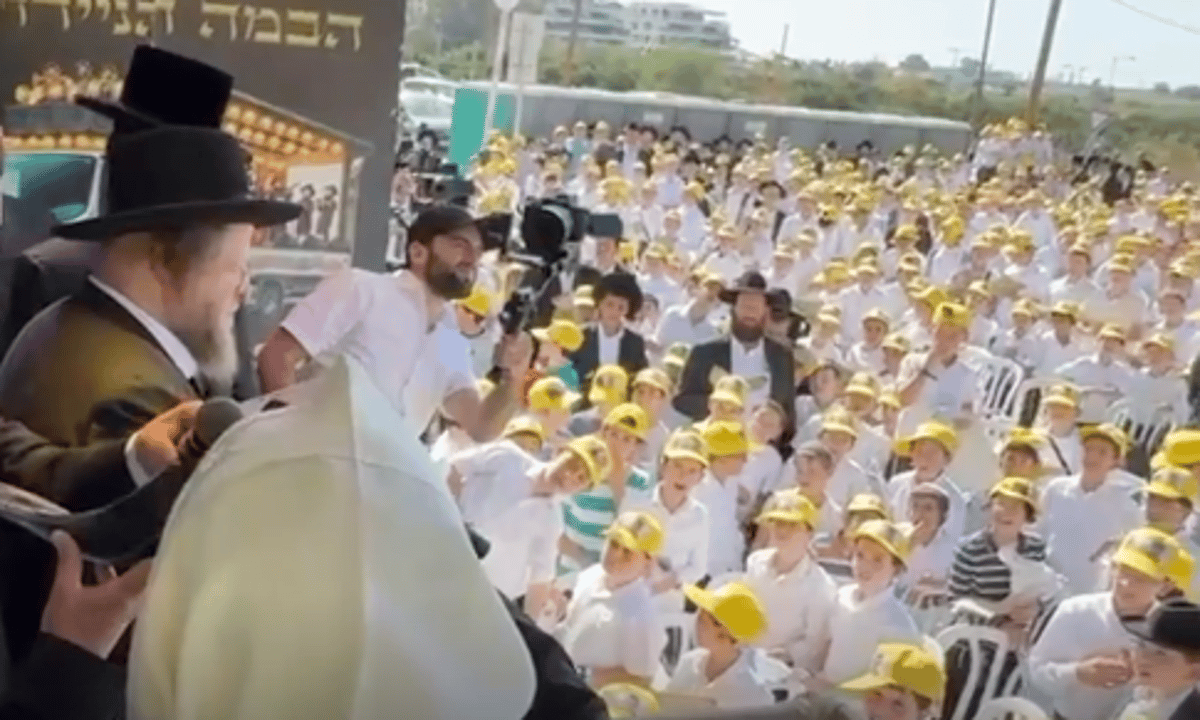
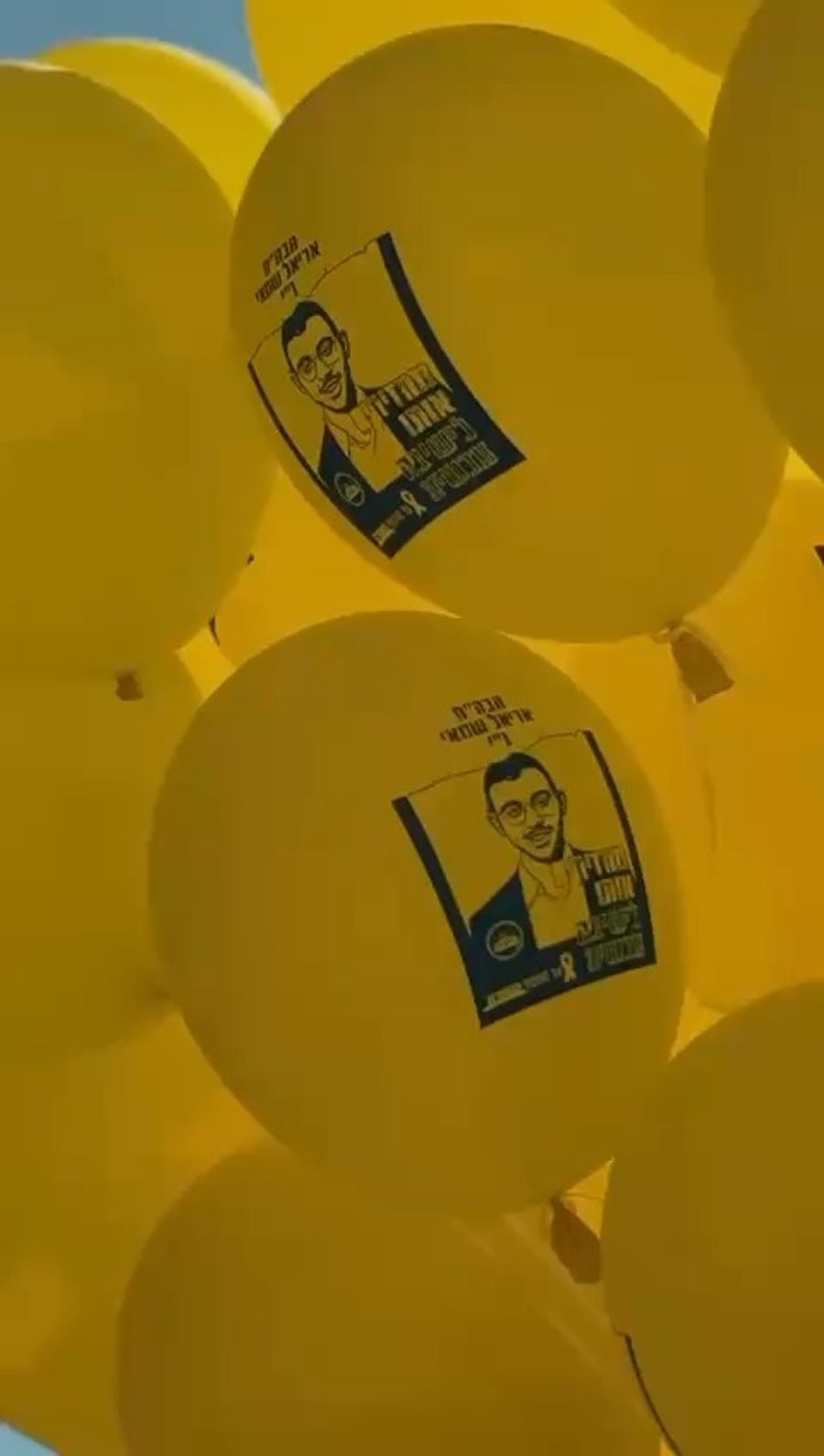
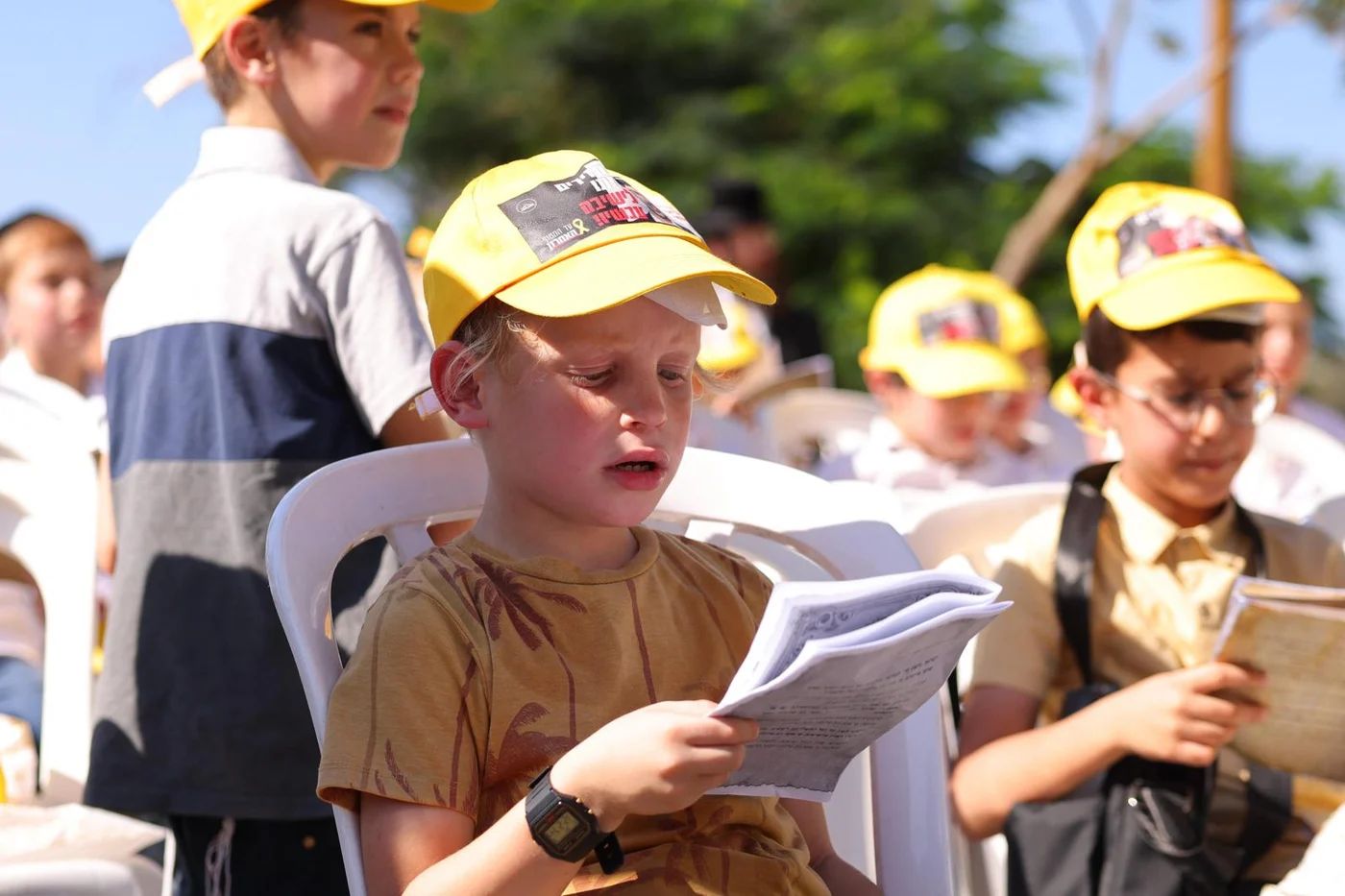
Haredi protest groups, including Netzach Yehuda and grassroots networks in Jerusalem's Mea Shearim and Bnei Brak, started using hostage-style imagery in August 2025 to amplify their cause. It's not a centralized "PR campaign" but a widespread tactic in fliers, posters, rallies, and social media, framing arrests as state-sponsored "kidnappings" of innocent Torah scholars.
Key Examples:Yellow Chairs with Photos: A hallmark of hostage vigils (empty yellow chairs symbolizing absence, often with victims' faces), these were repurposed at protests outside IDF prisons like Beit Lid. In August 2025, demonstrators placed chairs bearing images of arrested yeshiva students, with captions like "Free our brothers" or "Held captive by the Zionist regime." One rally on August 14 drew hundreds, clashing with police as protesters chanted psalms typically recited for hostages.
Fliers and Slogans: By October 22, 2025, after the arrest of three high-profile detainees (including a newlywed and a bereaved son sitting shiva), fliers flooded Haredi neighborhoods. They mimicked hostage posters: Black-and-white photos of young men in yarmulkes, overlaid with red text like "Until the last hostage" or "Return our captives—now!" Distributed by groups tied to Rabbi Lando, these equated military detention (for non-violent evasion) to Hamas's tunnels.
Rallies and Escalations: Protests blocked highways (e.g., Highway 4 near Bnei Brak) and roads in Jerusalem, with yeshivas busing students to prisons. At Yeshivat Ateret HaTorah, a mainstream Lithuanian institution, one detainee got a 20-day sentence, prompting its first anti-draft mobilization. Chants included "Free the hostages!" directed at the IDF, and some protesters threw stones or called police "Nazis."
Haredi leaders justified it as highlighting "spiritual hostages" whose Torah study "protects the nation" more than soldiers do, a theological claim rooted in their worldview that secular Zionism endangers Jewish souls.
The Backlash: "A Slap in the Face" to True Victims
The comparison has been universally condemned outside Haredi circles as exploitative and tone-deaf, especially given the hostages' documented horrors: starvation, torture, sexual violence, and deaths in captivity. Critics argue it trivializes national trauma while Haredim largely sit out the war.
Hostage Families' Fury: Einav Zangauker (mother of released hostage Matan Zangauker) called it "a cynical mockery of our agony," noting Haredi silence during 2023-2025 hostage vigils. Other families, like those of slain soldiers, accused protesters of "parasitism," reciting anti-enemy psalms against the IDF.
Political Reactions:Opposition: Yesh Atid MK Elazar Stern (former IDF personnel chief) labeled detainees "parasites" at an August protest. Avigdor Liberman (Yisrael Beytenu) slammed it as "spitting in soldiers' faces." Even some right-wing MKs like Tally Gotliv called arrests "excessive" but distanced from the rhetoric.
Coalition Tensions: Haredi parties (UTJ and Shas) threatened to bolt Netanyahu's government unless exemptions pass, but PM Netanyahu has delayed legislation amid war needs. MK Moshe Gafni (UTJ) faced backlash for saying Haredi non-service "isn't our concern" while Israelis die.
Public and Media Outrage: Outlets like The Times of Israel ran headlines like "Ultra-Orthodox road rage mocks Gaza hostages' agony." A New York Times piece highlighted a Tel Aviv protest statue: A soldier piggybacking a yeshiva student, symbolizing the burden. Social media erupted with memes juxtaposing hostage torture videos against Haredi rally photos.
Broader Critique: Analysts note the irony—Haredi yeshivas received NIS 800 million ($210M) in state funds in 2024 despite the ruling, while IDF families struggle. Polls show 70% of Israelis support full Haredi conscription.
Why This Resonates (and Why It's Divisive)
Supporters within the Haredi world see it as desperate advocacy against "forced assimilation," fearing army exposure to secularism will erode their insularity (Haredi enlistment hovers at 1-2%).
But to most Israelis, it's a low blow: The October 7 hostages included Haredi victims (e.g., from Netiv HaAsara), yet community empathy was limited, some Haredi media downplayed the attacks as "Zionist infighting."
The government faces a dilemma: Enforce the law and risk coalition collapse, or cave and alienate the 80% of Israelis demanding shared burden. If this feels particularly raw, it's because it cuts at Israel's core unity post-October 7.