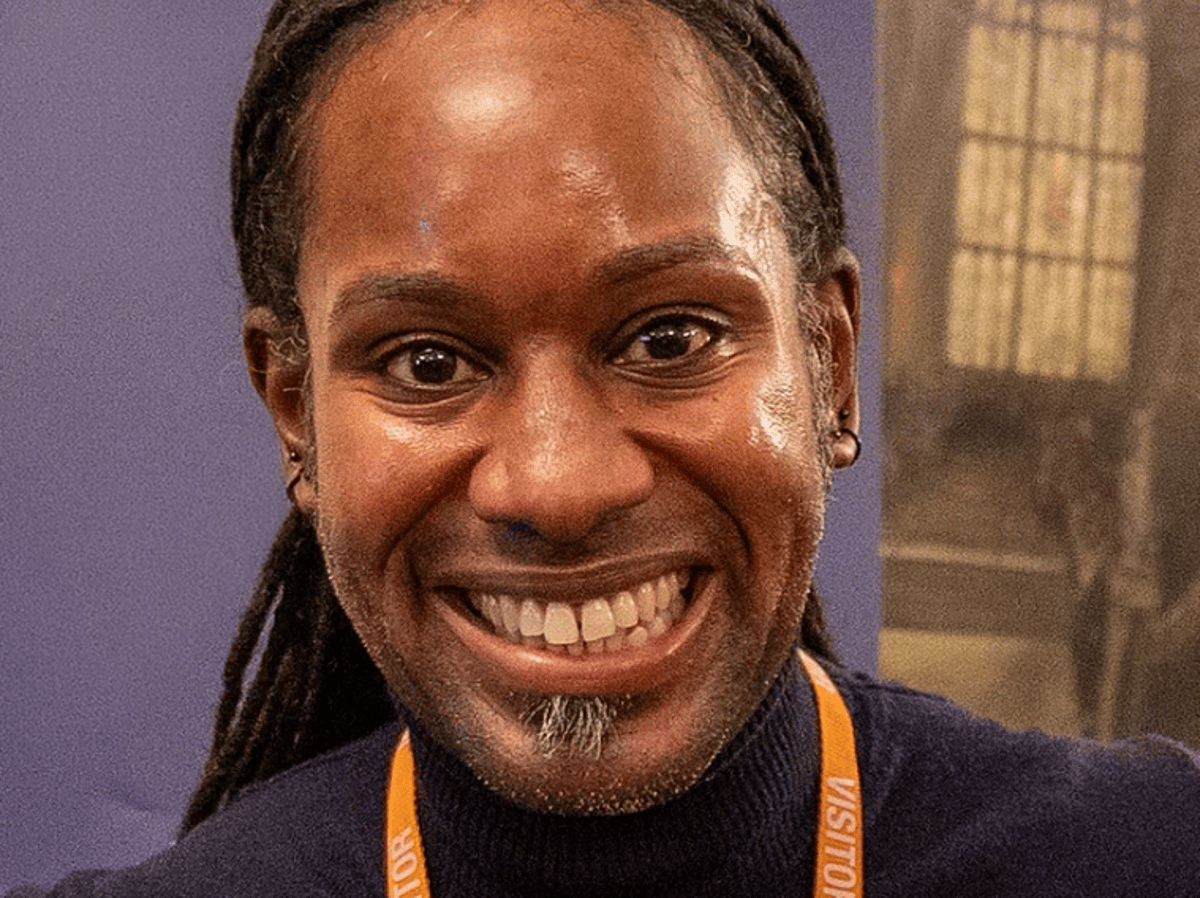
When Jason Arday was appointed Cambridge's youngest Black professor in March 2023, the university did not hesitate to celebrate. Here was a man who couldn't speak until he was 11, couldn't read or write until he was 18, diagnosed with autism spectrum disorder at age three, and now he held one of the most prestigious academic posts in the world. The story was irresistible. Media outlets globally seized on it. Cambridge had solved diversity in one appointment.
Last Friday, Arday was found dead in his London home, a week after resigning from his position amid plagiarism allegations. He was 41.
What follows is necessarily speculative. His death is not yet ruled as anything but unexpected. We do not know what weighs on the minds of grieving families. But we can (and should) ask uncomfortable questions.
The Question of Vetting
Cambridge's initial response to the allegations suggests the university may not have conducted thorough background scrutiny before appointing Arday. While Cambridge initially defended Arday, on Aug. 5 it opened an investigation "following new information about Professor Arday's qualifications and honorary appointments." If Cambridge needed to investigate after the allegations became public, it had not investigated before the appointment.
This matters. Arday's narrative, the neurodivergent man who overcame impossible odds, was so compelling that it may have obscured due diligence. Universities do not typically appoint professors without rigorous vetting of credentials, publications, and claims. If such vetting happened, it was inadequate. If it didn't happen, why not?
One possibility is that Arday's story was so narratively powerful, so perfectly aligned with the university's diversity commitments, that scrutiny became secondary to symbolism. Cambridge had an opportunity to make a genuine statement about inclusion. That opportunity may have blinded the institution to the need for basic procedural rigor.
The Neurodivergent Factor
Arday was diagnosed with autism and global development delay in his early years. Cambridge professor Simon Baron-Cohen, director of the university's Autism Research Centre, told the BBC he was in touch with Arday hours before his death. He said Arday "was being subjected to relentless scrutiny, including ridicule, discrediting absolutely every detail of his life," adding that he "wasn't coping with the loss of his career, the loss of his reputation, and he felt he couldn't go on."
This is crucial. Autistic individuals often struggle with high-pressure social environments, public criticism, and rapid shifts in social standing. The intensity of media scrutiny, what his family described as a "campaign of sustained abuse" and "campaign of misinformation", may have been uniquely destabilizing for someone with Arday's neurology.
The question is not whether Cambridge caused his death. That is unknowable. The question is whether Cambridge understood the vulnerability it was placing an autistic employee into, particularly one whose entire professional identity was bound up in an inspirational narrative that left no room for failure, complexity, or human fallibility.
Did Cambridge have disability support structures in place? Did it provide him with workplace accommodations? When he came under fire, did the university offer the kind of institutional protection that a vulnerable employee, neurodivergent, newly prominent, navigating unprecedented scrutiny, might have needed?
The Media Dynamics
Campaign groups called for an "inquiry into the culture and behaviour of the British press," saying scrutiny "went far beyond any limited public interest considerations around academic standards."
This is fair. But Cambridge is not blameless in the media dynamics. Universities benefit from the inspirational narratives they promote. Cambridge did not resist media coverage of Arday's appointment; it amplified it. The university was one of the architects of his prominence. When that same prominence became a liability, when the media machinery turned investigative, Cambridge had a responsibility to help manage the fallout.
The university did not kill Jason Arday. But it is worth asking whether Cambridge created the conditions under which a vulnerable person, placed under extraordinary pressure, with inadequate support and mounting despair, could see no way forward.