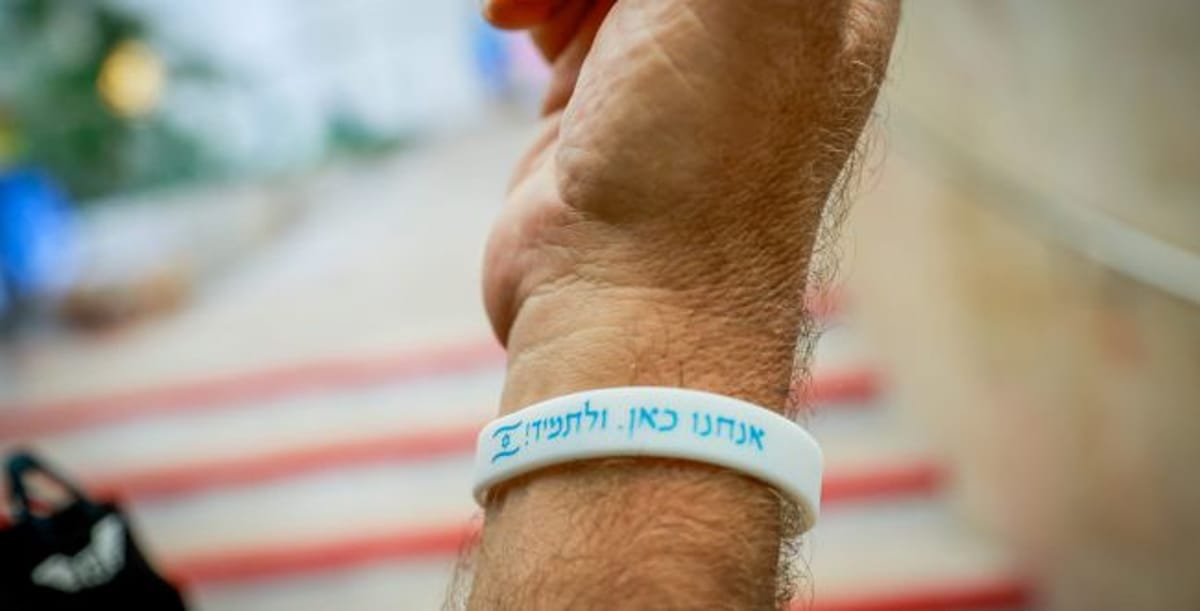
Resilience is a big word for something that everyone strives to produce, provide and establish at home, in the workplace and in the country in general. The National Resilience Plan was discussed yesterday in the Knesset Health Committee. As someone who is involved in the promotion of education in Israel, I saw great importance in participating because I am troubled today by the question of how to restore the resilience of our people and how to overcome the October 7 crisis and grow.
Members of the Knesset, social workers and professionals participated in the discussion, which is important and necessary when debating the issue of mental resilience. However, beside all the relevant professionals and decision-makers sat the families of the abductees. The dear and beloved families, each with the stories, the pictures, the difficult descriptions, and the terrible and severe pain they bring with them. The question arises, why was it important to trouble them to come to this discussion?
Make no mistake, my heart goes out to the families of the abductees and to everyone who is experiencing trauma in these complex days. The concern for the abductees, and the identification with their families and acquaintances never leave our minds. Every day, all day. Alongside this, when we finally discuss in our House of Representatives, a national resilience plan, much deeper and broader meanings should stand before our eyes, both on the private level and on our general public level as a nation.
However, national resilience may also be relevant to the fate of the abductees themselves. We learned that in the face of a cruel enemy, every expression of pain translates into weakness, thereby raising the price of the abductees and making their return more distant. A sense of resilience that is expressed externally will make it clear to our enemies that the abductees in their hands are not an asset whose price is only increasing, but rather they are a burden for them that it is better for them to return as soon as possible.