Jewish Life

When Selichot Became Mass Entertainment

As the High Holidays approach, a cultural shift has transformed traditional penitential prayers into stadium concerts, while many Jews struggle with the authenticity of their apologies

Sorry Is a Useful Word

During the Hebrew month of Elul, the Hebrew word "selicha" (forgiveness) appears more frequently in Jewish conversation than during the entire rest of the year combined.

This isn't just a word you say automatically bacause of an accidental bumps on public transportation and stepping on someone's foot by mistake.

Elul is known as the "month of mercy and forgiveness". While Jews don't always show mercy, particularly not toward terrorists or those who seek their destruction, whether directly or through international bodies like the UN, most people use this period of the year to seek forgiveness from acquaintances for wrongs committed during the past year. And this is where problems begin to emerge.
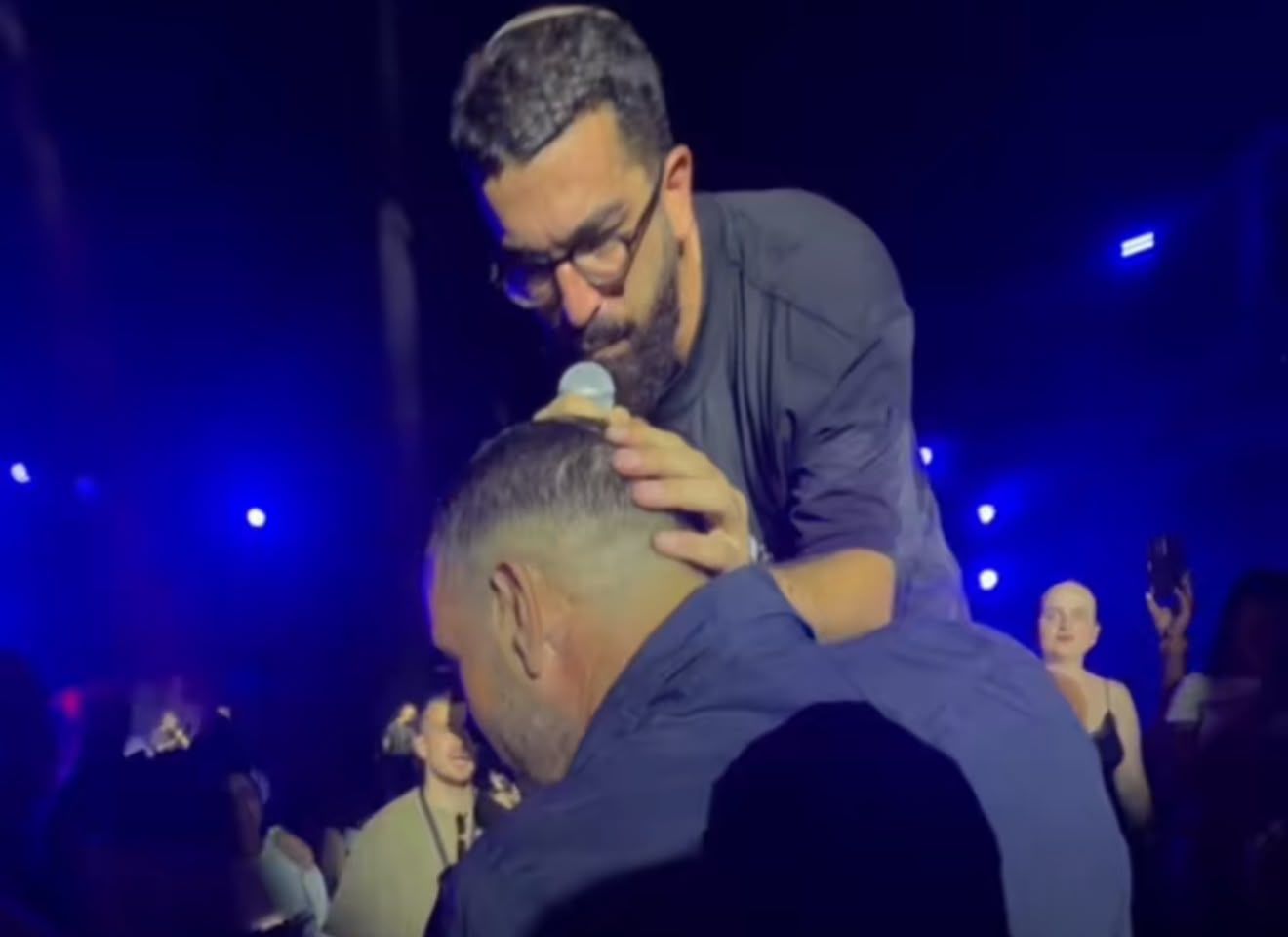
Israei Singer Hanan Ben Ari
Israei Singer Hanan Ben Ari (Social Networks)

Conditional Apologies

When a well-known and beloved performer like Israeli singer Hanan Ben Ari, accidentally slaps someone in the face, he immediately apologizes publicly through social media and the post goes viral, though not as viral as the slap itself, which won't be forgotten but certainly be forgiven.

In contrast, the automatic, emotionless forgiveness requests that many Jews send to friends and distant acquaintances during the selichot period typically include a phrase that provokes frustration: "I'm sorry if I hurt you". The conditional "if" raises questions: Are you asking for forgiveness while doubting whether you actually need to? If there was no definite offense, why ask? And if there was one but it's long forgotten from childhood, why bring it up again just to request meaningless forgiveness disconnected from any specific, current incident?

The simple solution for serial apology-seekers is to change the wording to a definitive statement: "I'm sorry that I hurt you". Certainty is the first step toward genuine reconciliation.

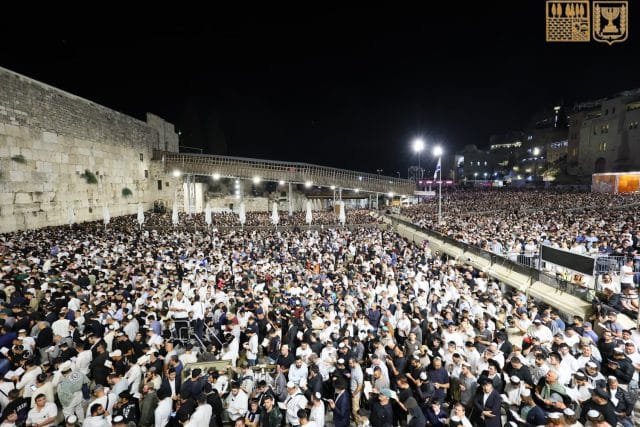
Selichot At The Western Wall
Selichot At The Western Wall (The Western Wall Heritage Foundation)

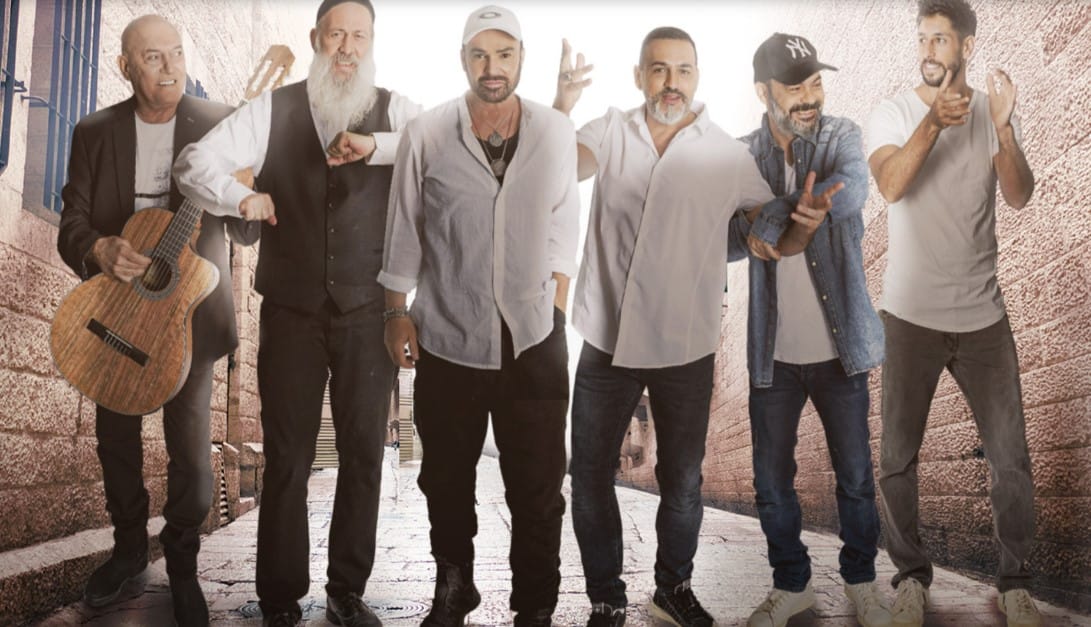
The second frustrating issue related to the word "selicha" is its transformation in recent years into the centerpiece of performances featuring multiple artists who have joined forces, perhaps out of necessity, since individually they might not cover the costs of a municipal selichot event, even with sponsorship from the local religious affairs department. These performers likely argue so much over solo performances during rehearsals that they'll need lawyers to help them apologize to each other.

The shift from heartfelt forgiveness to grandiose, ear-splitting stage performances significantly cheapens not the ticket prices but the selichot themselves and their meaning, transforming what should be serious prayers into mass entertainment.

While these concerts haven't yet featured a guitarist smashing an electric guitar on the floor in a frenzy and then apologizing to the producer who paid for it, such a scenario isn't entirely implausible.

Ultimately, attendees must decide for themselves whether they prefer to hear "Adon HaSelichot" (Master of Forgiveness) in a bombastic version with synthesizers,effects, and pounding beats or in the classical style from a traditional cantor at the Western Wall on Yom Kippur eve.

Selichot Show Poster
Selichot Show Poster (David D'eor PR )

To Forgive and Forget

Believing Jews should acknowledge daily gratitude to the Creator for the gift of repentance (teshuva), but it's unfortunate that most people don't also thank God for the quality of forgiveness between people.

This trait is so important that even Yom Kippur,the Day of Atonement, cannot atone for interpersonal offenses until the offender appeases the injured party and asks for forgiveness. Jewish law adds that the recipient of such a request should not be cruel and forgive immediately, rather than torturing the penitent until they become a sobbing mess begging for mercy.

Forgiveness comes from genuine willingness. When someone who has been hurt concludes that the offender knows they erred and asks for forgiveness in the most convincing way, without exaggeration but with honesty and simplicity, what could be better than forgiving and even forgetting what happened, for the sake of the good relationship going forward?

Everyone needs good friends who will come for help in times of trouble, not by chance. Without forgetting and forgiving, that simply won't happen.

I Forgave Everyone
I Forgave Everyone (AI Illustration)

You Are All Forgiven

To conclude properly: I want to ask all readers for forgiveness for any hurt I may have caused you, and please forget about it (the hurt, not the apology request). And rather than waiting until Yom Kippur you're invited to ask me for forgiveness in the comments, But only if you actually hurt me- otherwise it's just insulting and I won't forgive and forget!

Ready for more?

Join our newsletter to receive updates on new articles and exclusive content.

We respect your privacy and will never share your information.

Enjoyed this article?

Yes (3)
No (0)
Follow Us:

Unmissable content


Loading comments...

Also of Interest