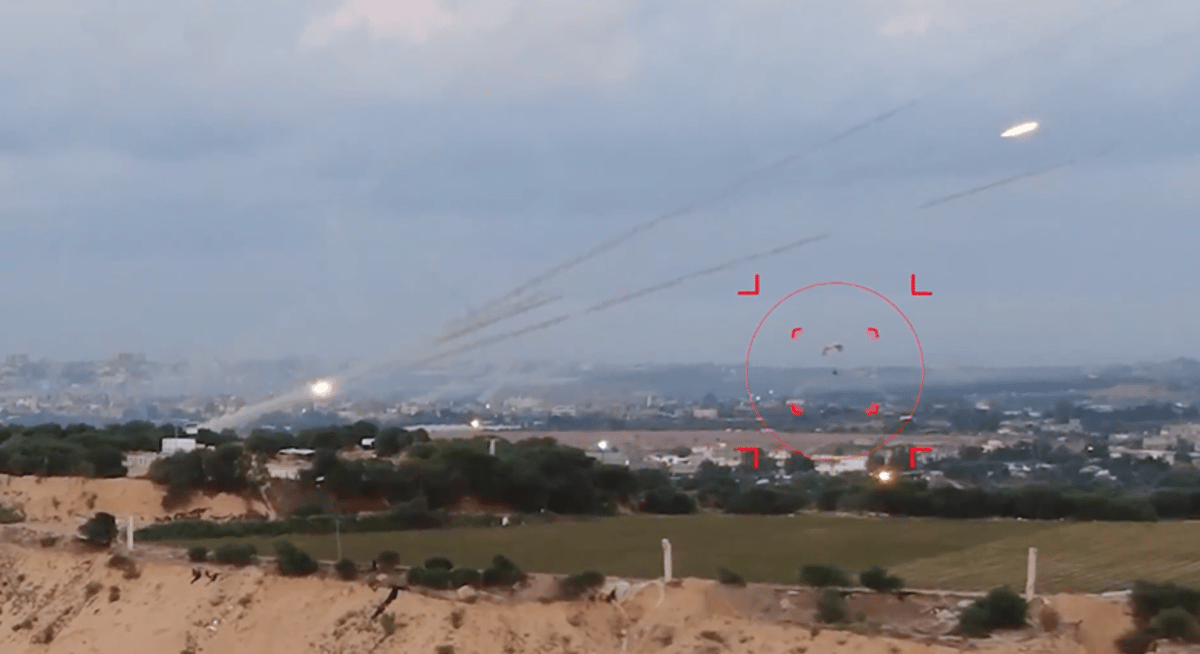
If Mexico, for some unknown and bizarre reason, one day, got together a bunch of thugs, invaed the US, murdered, mutilated, massacred, raped men and women, pillaged, burned alive US citizens and then took a bunch of them hostage back to Mexico, tortured them and refused to release them, what would the US do?
Mexico is a sovereign neighbor and close trading partner. If it ever tried such 'tricks,' it would trigger an unprecedented U.S. reaction, blending massive military force, economic pressure, and international isolation. But the geography, economic interdependence, and shared history (e.g., the 1846-48 Mexican-American War, where the U.S. decisively defeated Mexico and seized vast territories) would make it even more explosive.
The U.S. military dwarfs Mexico's in every metric: The U.S. has over 13,000 aircraft (vs. Mexico's ~500), a navy with 11 aircraft carriers (vs. Mexico's none), and a defense budget of ~$877 billion (vs. Mexico's ~$8 billion). Mexico's forces are geared toward internal security (e.g., cartels), not interstate war, and the two nations currently cooperate on border security via initiatives like the Mérida Initiative. An invasion would shatter that, invoking Article 51 of the UN Charter (self-defense) and likely Article 5 of NATO if allies framed it as an attack on North America.
Immediate Response (First 24-72 Hours)
Mobilization and Retaliatory Strikes: The president would invoke the War Powers Resolution, activating NORAD and deploying air assets from bases in Texas and California. Precision airstrikes would target Mexican military command centers, border crossings used in the invasion, and any hostage-holding sites. Cyber operations could disrupt Mexico's power grid and communications, echoing U.S. tactics in recent hybrid conflicts.
Border Lockdown and Evacuations: The 2,000-mile border would seal with National Guard and active-duty troops (potentially 100,000+ mobilized). Civilian evacuations from affected areas (e.g., Texas border towns) would prioritize rescuing the hostages, using special forces like Delta or SEALs for raids, prioritizing children and elderly, as in U.S. hostage rescues from Iran (1979) or Somalia.
Public Outrage and Unity: Expect nationwide horror akin to 9/11, with rallies, memorials, and bipartisan congressional resolutions condemning Mexico. Media would amplify atrocity footage, fueling calls for justice. The Justice Department would pursue indictments against Mexican leaders for war crimes, similar to charges against Hamas figures.
Short-Term Escalation (Weeks 1-4)
Ground Invasion and Regime Change: If hostages aren't released and atrocities continue, the U.S. would launch a limited invasion, seizing northern Mexican states (e.g., Baja California, Chihuahua) to create a buffer zone and extract captives. This mirrors the U.S.-led invasions of Afghanistan (2001) or Iraq (2003) but faster due to proximity; Mexico City could fall in days against disorganized resistance. Objectives: Neutralize the invading forces, free hostages (potentially via deals or force), and topple the Mexican government if implicated.
Economic Warfare: Immediate sanctions via the Treasury, freezing assets, halting $800+ billion in annual trade (USMCA). This would cripple Mexico's economy overnight, pressuring leaders to surrender hostages. Allies like Canada would join, isolating Mexico diplomatically (e.g., OAS expulsion).
Hostage Focus: The U.S. would negotiate through backchannels (e.g., Qatar-like intermediaries) while preparing rescues. Refusal to return them would be non-negotiable; past U.S. ops (e.g., Entebbe 1976) show zero tolerance for prolonged captivity.
Medium- to Long-Term Aftermath (Months to Years)
Occupation and Reconstruction: Post-victory, a U.S.-led coalition might occupy key areas for stabilization, installing a provisional government and demilitarizing Mexico's forces, echoing post-WWII occupations but scaled down. Aid would flow for rebuilding, conditional on human rights reforms, to avoid a failed state spilling violence northward (e.g., cartel resurgence).
Casualties and Risks: U.S. losses would be low (air superiority ensures that), but Mexico could suffer tens of thousands dead/civilian displaced, sparking insurgency or refugee crises. Domestically, it might unify Americans short-term but strain resources amid other global threats (e.g., China).
Global Ramifications: NATO invocation could draw Europe in; China/Russia might condemn the U.S. as "imperialist." Long-term, it could realign North America, perhaps annexing border regions or forging a new security pact.
In short, the U.S. wouldn't hesitate: Overwhelming force to avenge the dead, rescue the hostages, and deter future threats. But the human and economic cost would be staggering, underscoring why such invasions are suicidal for any neighbor.
Feel free to draw any parallels you want.