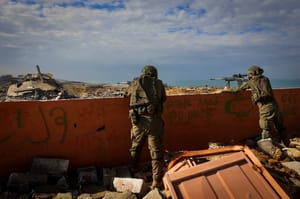
The pressure is working
Israel’s military pressure on Hamas secures Hostage releases, Intelligence Officer reveals
•news-israel


Comprehensive coverage of Israel's military operations against Hamas and Hezbollah, including the Gaza conflict, hostage crisis, and regional tensions.

The state of Israel has found itself embroiled in an intense and complex conflict with the militant groups Hamas and Hezbollah. This ongoing war has seen Israel engaged in military operations, hostage negotiations, and efforts to counter regional threats posed by these terrorist organizations and their allies.
Recent developments have brought the conflict into sharp focus, with the October 7th Hamas attack and subsequent hostage crisis dominating headlines. Israel has responded with targeted strikes, ground operations, and diplomatic efforts to secure the release of captives held by Hamas in Gaza. The situation remains volatile, with both sides engaged in a tense standoff as negotiations continue.
The roots of this conflict can be traced back decades, with Hamas and Hezbollah emerging as formidable adversaries to Israel's security. Hamas, a Palestinian Sunni-Islamic fundamentalist organization, has controlled the Gaza Strip since 2007 and has been engaged in an armed struggle against Israel, launching rocket attacks and carrying out terrorist activities. Hezbollah, a Shia Islamist political party and militant group based in Lebanon, has also been a major threat, with its close ties to Iran and a history of conflict with Israel.
Israel's military operations against these groups have been driven by the need to protect its citizens and maintain its sovereignty. The Israeli Defense Forces (IDF) have conducted numerous operations in Gaza and Lebanon, aimed at disrupting terrorist activities, destroying infrastructure, and targeting key leaders and operatives.
The hostage crisis has added a particularly poignant and emotional dimension to the conflict. Families of captives held by Hamas have been engaged in a heart-wrenching struggle, pleading for the safe return of their loved ones and urging the Israeli government and international community to prioritize their release.
Beyond the immediate conflict with Hamas and Hezbollah, Israel has also had to contend with regional tensions and the involvement of other actors, such as Iran and its proxies. The threat of missile attacks from groups like the Houthis in Yemen has further complicated the security landscape, prompting Israel to enhance its defensive capabilities and early warning systems.
As the conflict continues to unfold, the international community has been engaged in diplomatic efforts to broker a lasting ceasefire and facilitate the release of hostages. However, the deep-rooted ideological and political differences between the parties involved have made progress difficult, with each side maintaining firm positions and demands.

Israel’s Air Force joined a major multinational air drill in Greece with allies like the U.S., France, and Qatar, deploying its Oron intelligence aircraft, despite skipping last year’s event due to tensions with Turkey and ongoing conflicts with Hamas and Hezbollah. The participation comes amid scrutiny over Israel’s unofficial ties with Qatar, heightened by the arrest of two of Prime Minister Netanyahu’s aides in the “Qatargate Affair” for allegedly promoting Qatari interests, sparking a backlash over his comments calling them “hostages.”
The pressure is working
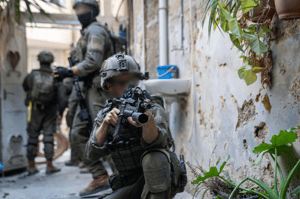
IDF Cuts Judea and Samaria Terror

Promising
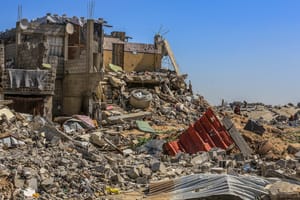
Not Just to Hamas
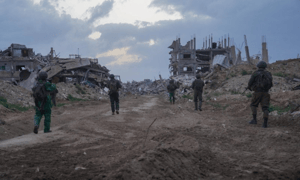
The war escalates

Some light amidst the darkness

Human Rights Watch’s Gaza Coverage Under Fire for Links to Terror Staff

Political Pressure Forces Netanyahu to Backtrack
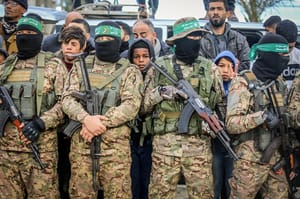
Hamas Masters of Manipulation as Deaths Vanish from Official Reports
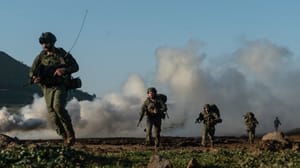
IDF Soldiers Were Left Defenseless on Israel's Northern Border
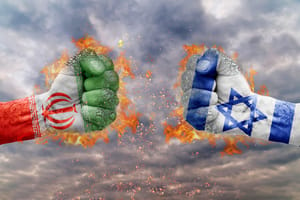
In light of Trump's threats

WZO's arm
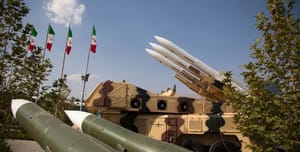
Escalating Threats

Another one bites the dust

The investigation deepens
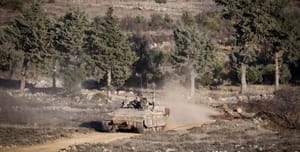
A leopard doesn't change its spots

This is how many hostages could be released
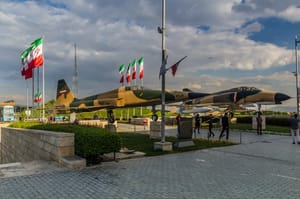
Israel's Drills for Possible May Strike on Iran Revealed
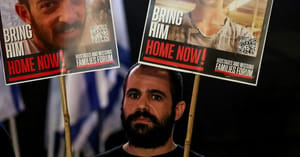
Yarden Bibas Makes Emotional Plea to Trump: ‘I Am Here Because of You’