Two days ago, Trump told NBC News that if Iran didn’t negotiate a new nuclear deal, it would face severe consequences, stating, “If they don’t make a deal, there will be bombing. It will be bombing the likes of which they have never seen before.”
He also hinted at secondary tariffs, a tactic from his first term (2017–2021), giving Iran “a couple of weeks” to respond before deciding on economic measures. This came after Iran rejected direct talks on March 27, responding via Oman to Trump’s earlier letter urging negotiations, citing U.S. “maximum pressure” and military threats as reasons for refusal. Iran’s Foreign Minister Abbas Araghchi called Trump’s approach “bullying,” while Supreme Leader Ali Khamenei warned on March 31 that any U.S. or Israeli “mischief” would meet a “strong reciprocal blow.”
Iran’s Threat to Israel
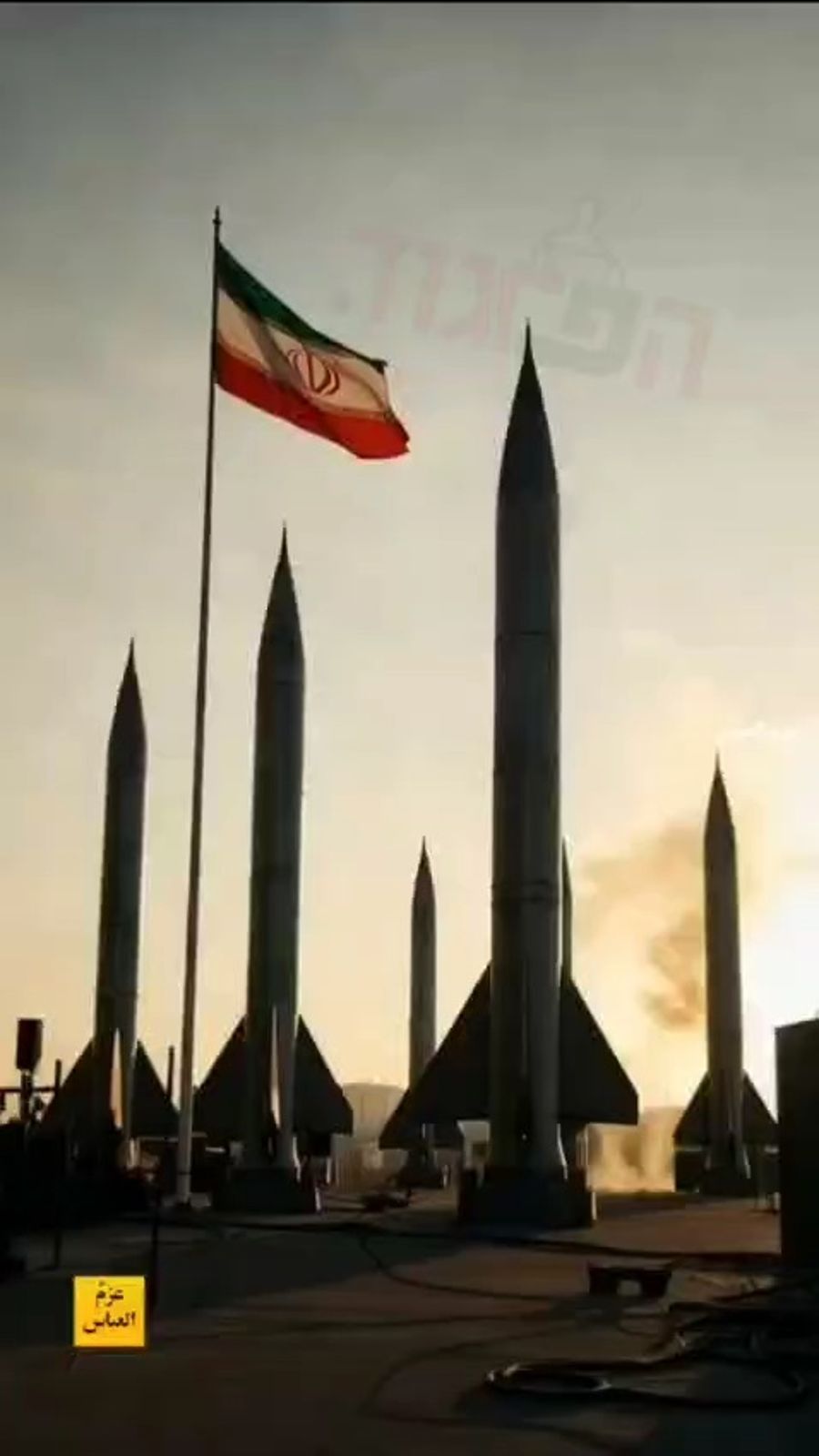
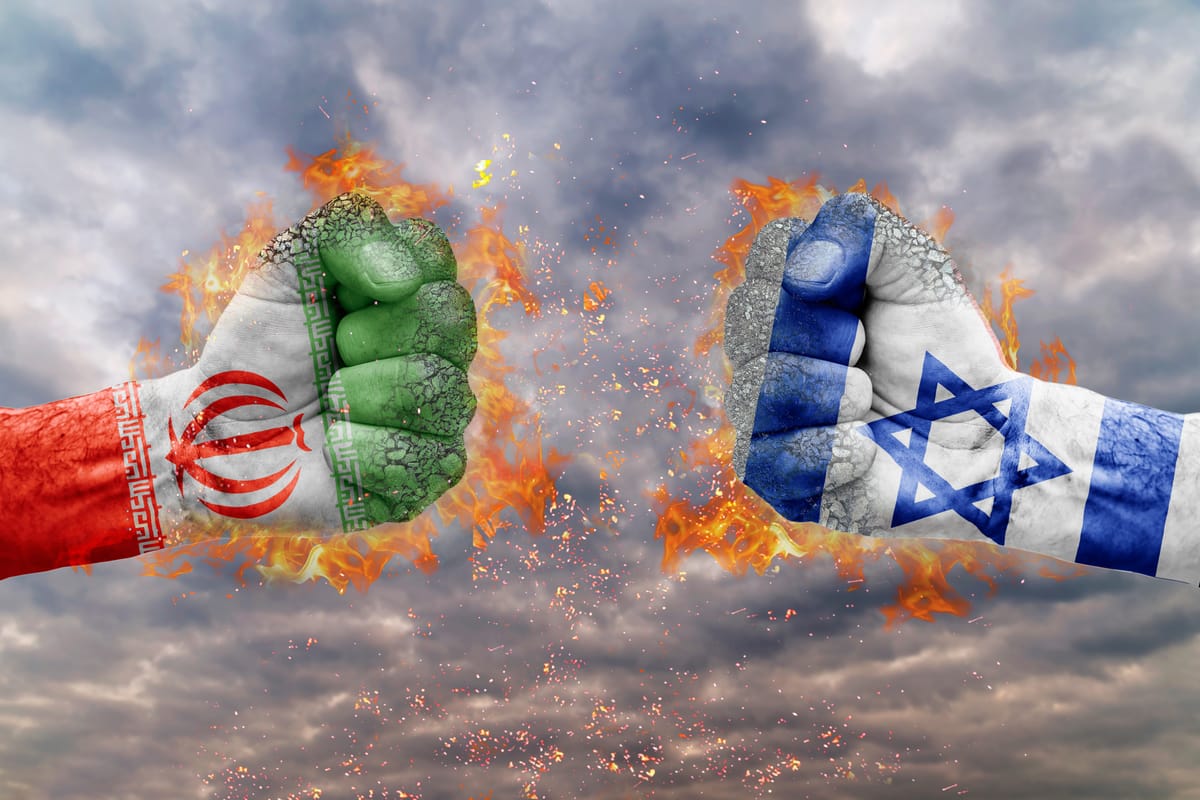
In response to Trump’s rhetoric, Iran issued a direct threat to Israel. Iran warned of a “teeth-breaking response” or turning the region into “hell” for Israel if provoked). A Reuters report yesterday confirms Khamenei’s statement: “If they commit any mischief, they will surely receive a strong reciprocal blow,” interpreted as aimed at both the U.S. and Israel, its key ally.
On March 20, an X post claimed Iran threatened a “True Promise 3” operatio, —possibly involving ballistic missiles like the Khorramshahr, targeting Tel Aviv if Trump hit Iranian assets, though no official confirmation backs this.