Get our mobile app
Download on the App StoreGet it on Google Play

Digital Forensics Controversy

Israeli Tech Sparks Australian Privacy Row

New South Wales police seek expanded access to Cellebrite's phone extraction tools, drawing warnings from critics about surveillance overreach and digital privacy protections

Israeli Tech From Petah Tikva at Center of Australian Privacy Debate

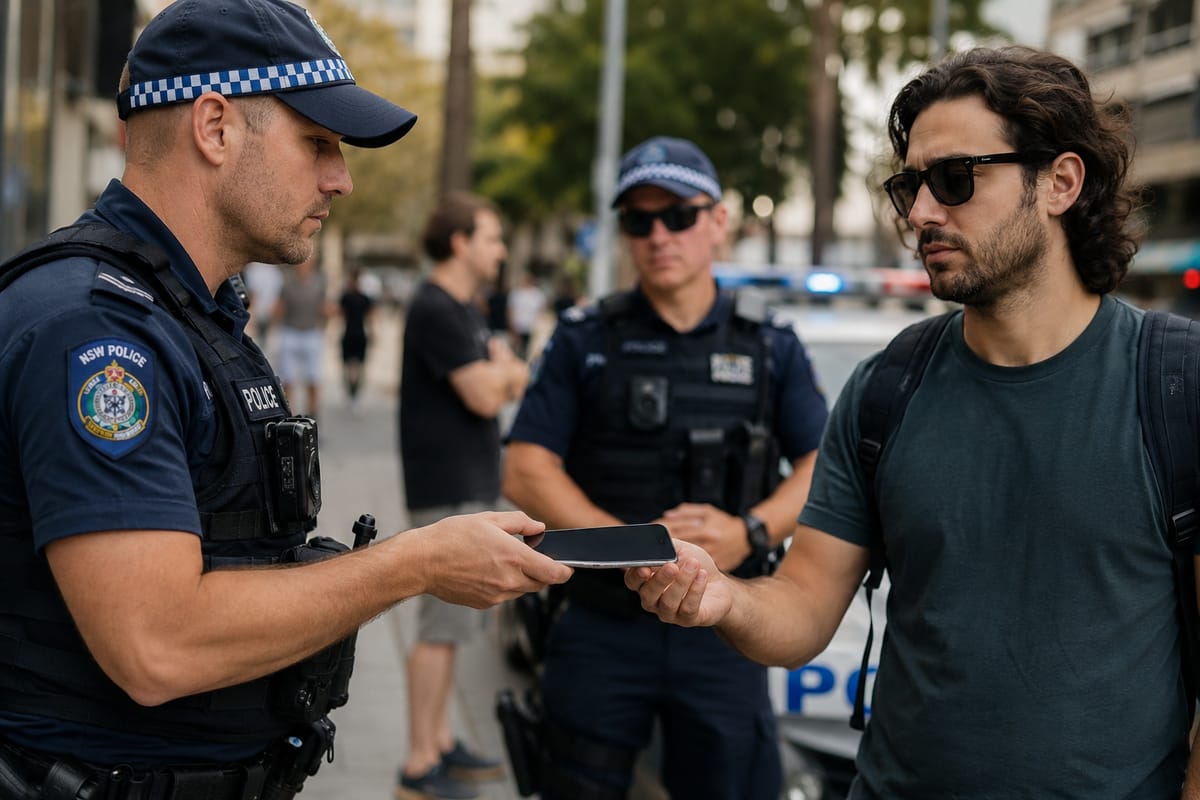
An Israeli technology company has become the focal point of a heated privacy debate in Australia, where police in New South Wales are set to receive enhanced capabilities for extracting and analyzing data from digital devices as part of efforts to combat organized crime.

At the heart of the controversy is Cellebrite, an Israeli technology firm that develops digital forensic tools for extracting information from phones and electronic devices. The company, headquartered in Petah Tikva, initially focused on transferring data between mobile phones before evolving into one of the world's leading names in digital investigations and device data extraction.

Senator David Shoebridge has criticized the move, arguing that police will be able to use the technology to access information stored on phones under new powers. He characterized the development as a significant expansion of law enforcement's digital surveillance and investigation capabilities.

Modern smartphones can contain massive amounts of personal information, including photos, messages, documents, location data, and various applications, all of which may become accessible through such forensic tools.
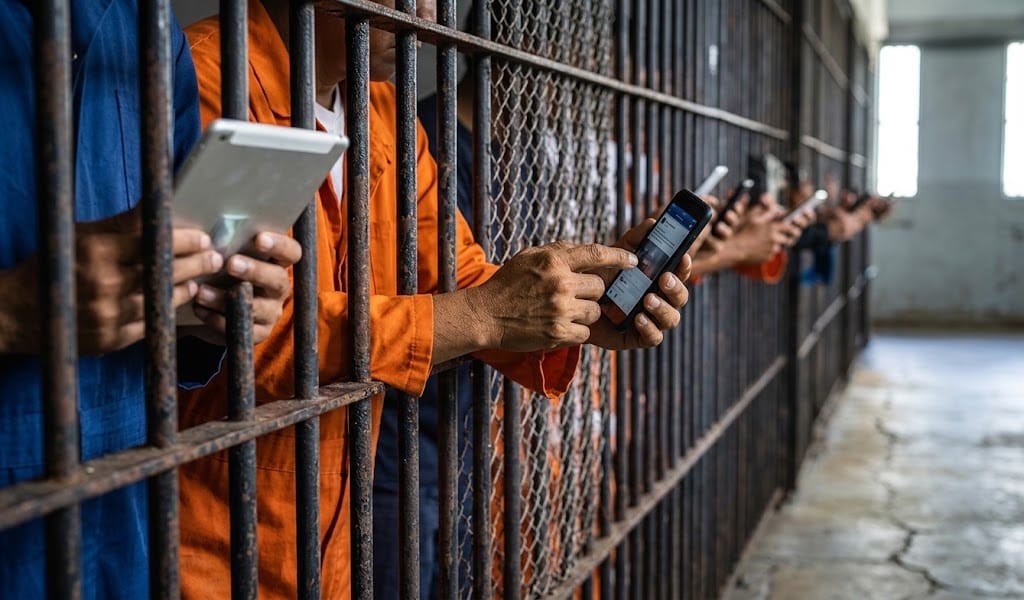

Cellebrite's technology is used by law enforcement and investigative agencies worldwide. The company's tools are designed to enable the collection, analysis, and management of digital evidence, and in some cases can extract information from devices that are locked or protected by security measures.

The New South Wales government has framed the expanded capabilities as essential to fighting organized crime. Officials announced an investment of 126.2 million Australian dollars in the state police force and crime commission, with a significant portion of the budget allocated to upgrading technological infrastructure, digital evidence systems, and forensic tools.

Authorities argue that the criminal landscape has transformed, with offenders now using encrypted phones, digital platforms, and the dark web to plan and execute serious crimes. From law enforcement's perspective, the ability to access evidence stored on digital devices has become a central tool in combating organized crime.

Critics, however, warn that as police gain deeper technological capability to penetrate devices, questions will intensify about where the line should be drawn between legitimate investigation and privacy violations.

The New South Wales government noted that while a phone seized by police in the past typically contained dozens of gigabytes of data, a comparable device today may hold between one and two terabytes of information.

Ready for more?

Join our newsletter to receive updates on new articles and exclusive content.

We respect your privacy and will never share your information.

Enjoyed this article?

Yes (11)
No (0)
Follow Us:

Unmissable content


Loading comments...

Also of Interest