Get our mobile app
Download on the App StoreGet it on Google Play

Border Security Technology

Humanoid Robots Proposed for US Border

Foundation's Phantom robot can patrol autonomously, detect people and alert agents to suspicious activity around the clock.

US Robotics Firm Proposes Humanoid Robots for Border Patrol
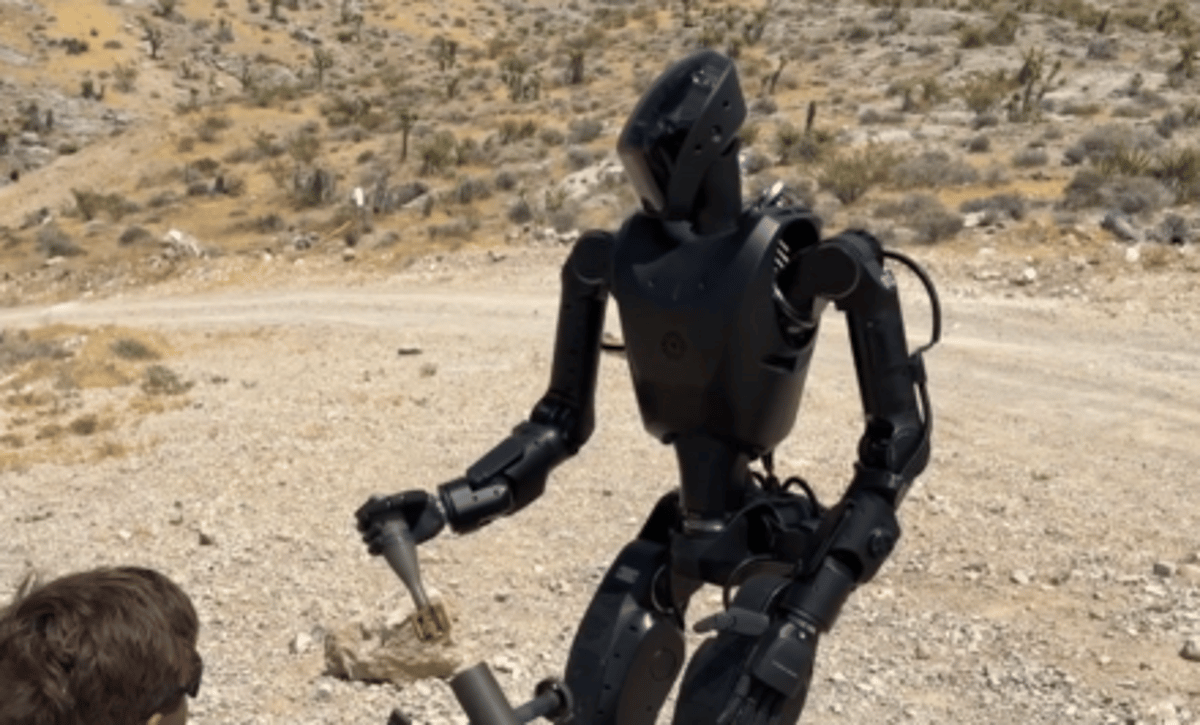
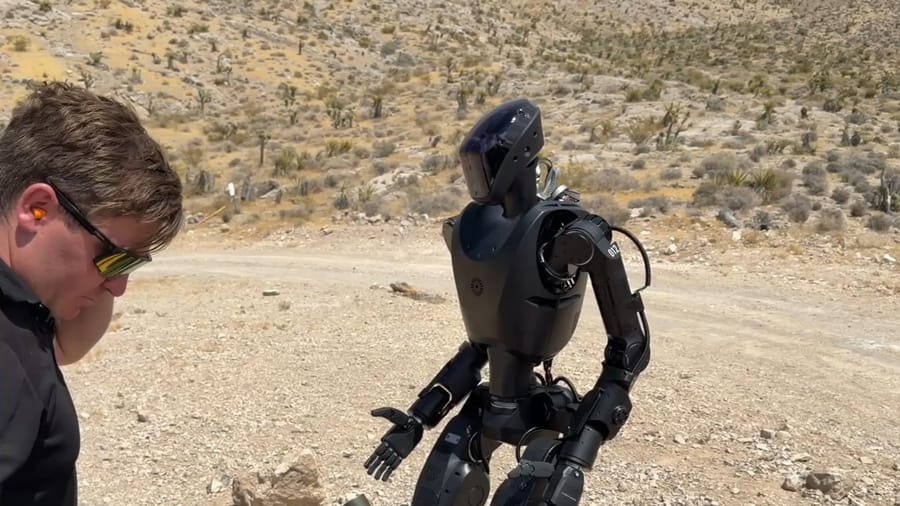
הדגמת מרגמה
הדגמת מרגמה (Foundation)

An American robotics company is proposing to deploy humanoid robots along the United States' southern border to assist federal agents with patrol, surveillance and detection of crossing attempts.

Sankeet Pathak, founder and CEO of Foundation, told Fox News that his company has already demonstrated its robots' capabilities to officials at the Department of Homeland Security and is in discussions with additional agencies within the US security establishment. However, the Department of Homeland Security clarified that there are currently "no non-contractual agreements, pilot trials or active contracts" with the company.

The robot, called Phantom, can navigate autonomously across difficult terrain, identify humans, map its surroundings and alert agents to suspicious activity. The company views it as a tool that could operate in locations where it's difficult to deploy human personnel, vehicles, drones or fixed cameras.
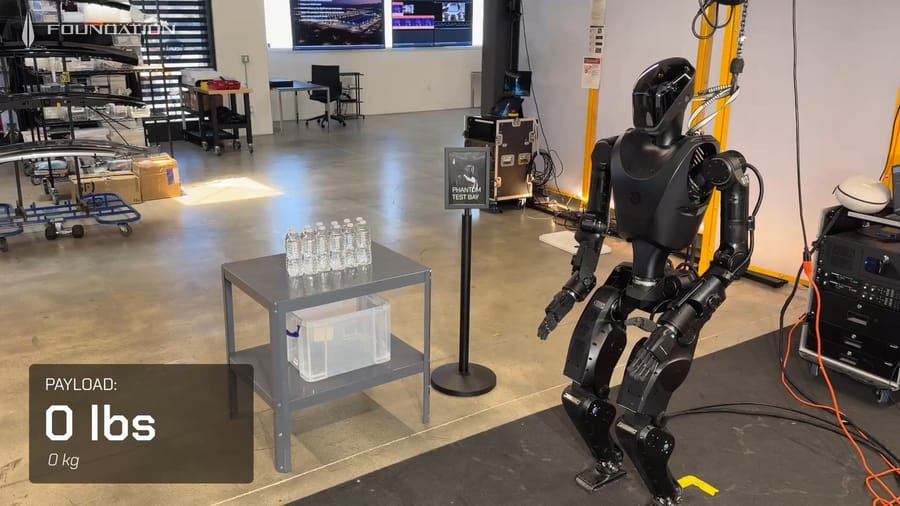

Video: Foundation

"If drones and observation towers could solve everything, why are there still people at the border?" Pathak asked. He claims the robots could perform patrol and surveillance missions 24 hours a day, allowing federal personnel to remain in safer locations.

One potential application includes detection and tracking inside border tunnels. Pathak said trials could begin "tomorrow," with broader deployment possible within a few months.

The company plans to launch an upgraded version of Phantom in the coming months that will be water and dust resistant and better suited for field conditions. Pathak even stated that the company would be willing to arm the robots if the federal administration requested it, though he emphasized that at this stage the robots are not intended to make enforcement decisions autonomously.

Ready for more?

Join our newsletter to receive updates on new articles and exclusive content.

We respect your privacy and will never share your information.

Enjoyed this article?

Yes (14)
No (1)
Follow Us:

Unmissable content


Loading comments...

Also of Interest