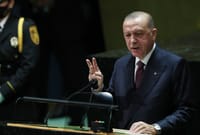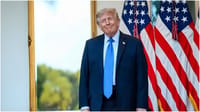
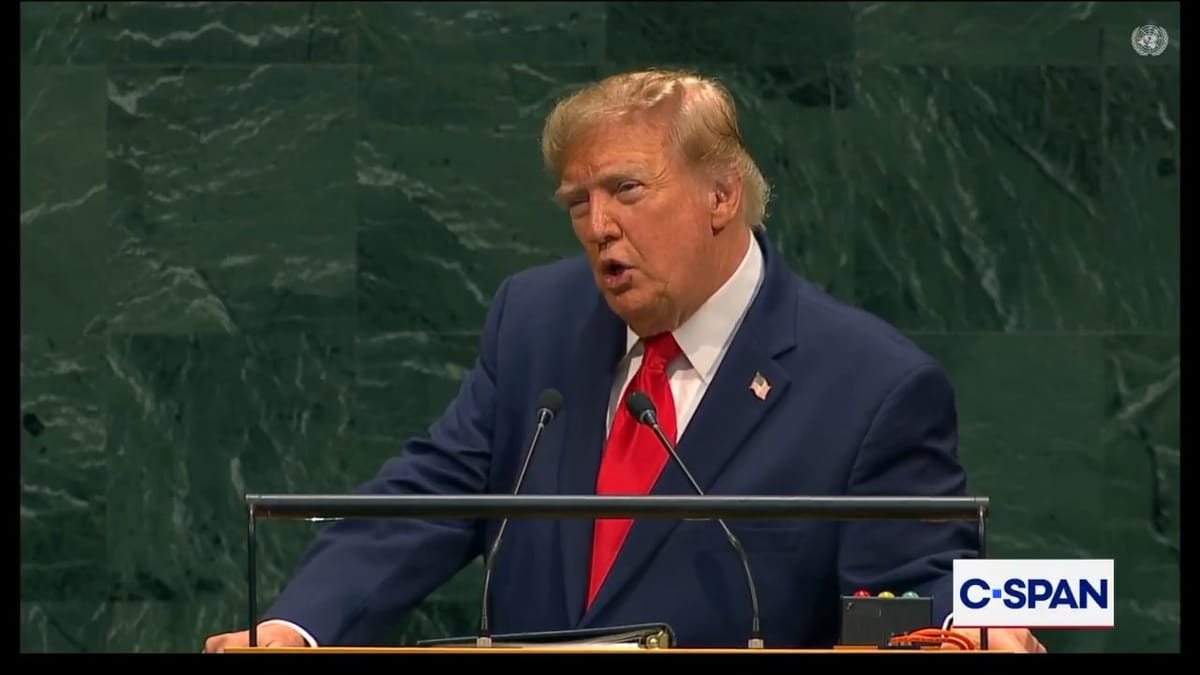
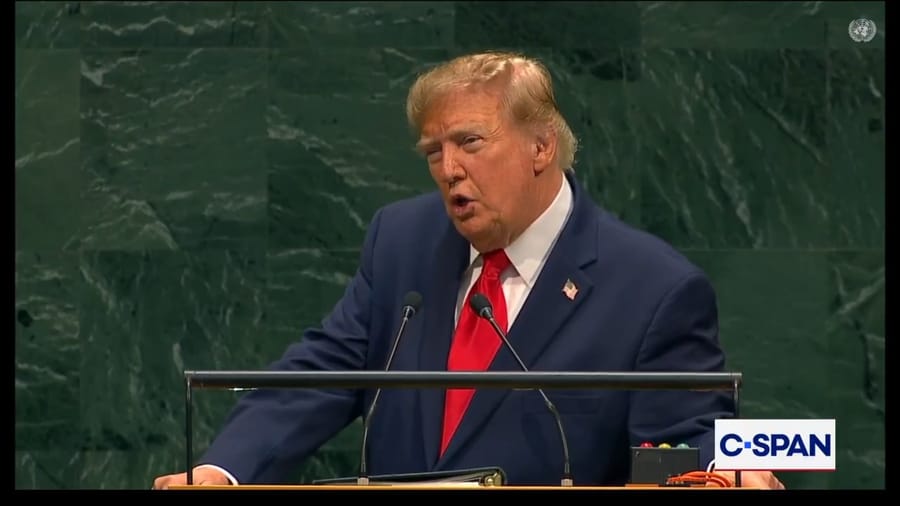
President Donald Trump surprised observers during his address to the United Nations General Assembly in New York when he announced that the term "artificial intelligence" will henceforth be known as "Super Intelligence" (SI). Trump argued that the previous name makes the technology sound fake, and declared that all official documents in the United States (and worldwide) should adopt the more accurate terminology.
The decision came after Trump polled his followers on Truth Social, offering several alternatives including "superior intelligence," "extreme intelligence," and "ultimate intelligence," with the latter ultimately winning. The move joins a series of name changes the president has implemented on American maps and official documents.
Experts and academics in the field expressed significant skepticism about the new name's prospects for adoption. They noted that "super intelligence" is typically reserved for advanced, hypothetical, fully autonomous systems capable of self-improvement, a level of capability far beyond current technology. According to these specialists, using the term now exaggerates and inflates the abilities of today's AI systems, while stealing the prestige that should be reserved for a future breakthrough.
Meanwhile, Trump administration officials and allies have begun publicly adopting the new designation. International representatives, however, have responded with indifference. Canada's Minister of Artificial Intelligence offered a veiled jab at Trump amid severely strained relations between the two countries, remarking: "We generally don't like name changes", a reference to Trump's renaming of Lake Ontario to "Lake America."
Trump has dismissed recent warnings from researchers and senior technology executives calling for strict regulation over concerns about existential risks to humanity, labeling such concerns a "hoax." The president made it clear that the United States will not slow development in a field expected to surpass the Industrial Revolution in impact, emphasizing that America currently leads by a significant margin over its primary competitor, China.