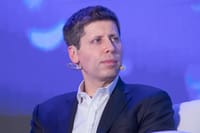
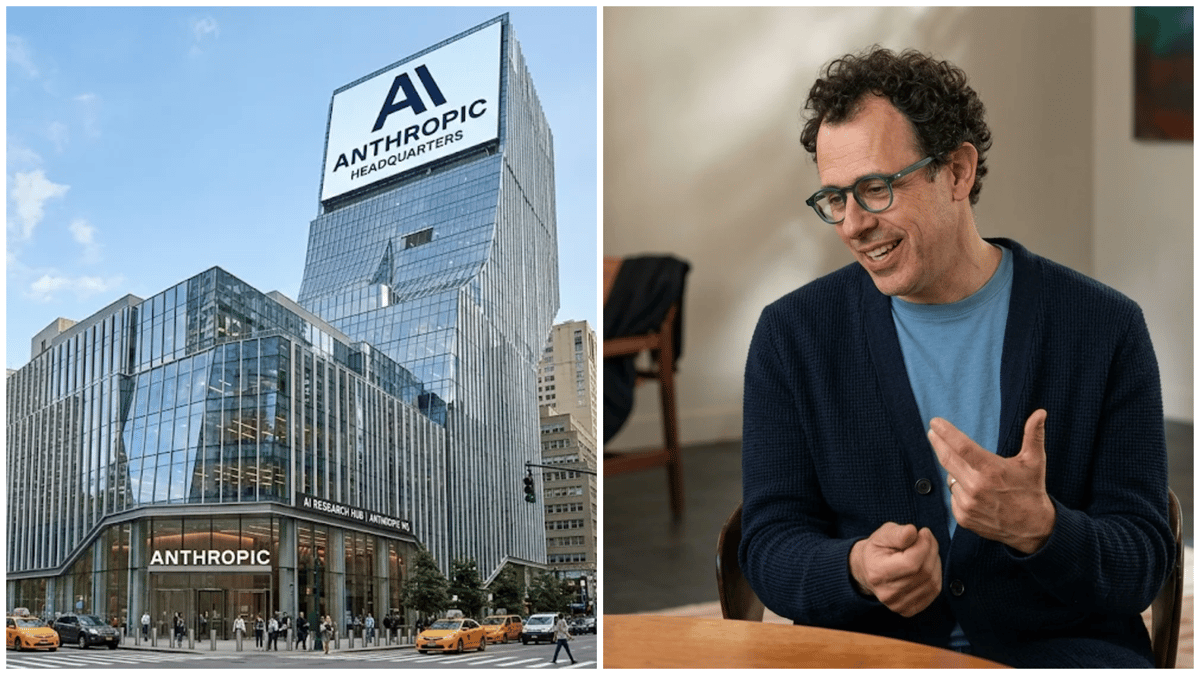
Dario Amodei, chief executive of artificial intelligence company Anthropic, has predicted that AI could help humanity overcome some of its deadliest diseases in less than a decade. He made the forecast in a video presenting the company to investors ahead of its planned stock market listing.
Amodei, whose company develops the Claude AI model, pointed to illnesses that claim millions of lives around the world. "If you look today at diseases like cancer, Alzheimer's, heart disease and mental illness, I think they will be relics of the past in less than a decade," he said, according to Kikar HaShabbat.
He went on to describe a broader vision of what the technology could achieve. "If we do this right, we can create an age of miracles, in which humanity will be able to solve problems that have eluded it for thousands of years," he said.
Amodei argued that the success of the AI revolution will not be measured only by the power of new models. It will also depend on whether the companies building them can manage the risks and earn public trust. "The company that knows how to handle the risks correctly will also be the company the public trusts, and believes is capable of building the benefits of the technology in the right way," he said.
The remarks come as Anthropic expands into biological research and drug development. According to the report, the company has begun building its own drug discovery operation, alongside partnerships with biotechnology and pharmaceutical firms. It has also opened a research lab in the San Francisco area to explore how AI can be applied to basic biological research.
The main promise of AI in this field lies in its ability to analyze vast amounts of biological data and identify complex relationships between molecules and proteins. It can also help design new drugs and speed up research that once took many years. Such advances could help scientists find new treatment approaches, make drugs more precise and accelerate the fight against complex diseases. The broader economic stakes of the technology have been compared to the steel of the modern economy.
Medical and pharmaceutical experts, however, warn against treating the forecast as a foregone conclusion, Kikar HaShabbat reported. Identifying a compound that could become a drug is only the start of a long process. Before it can be approved for medical use, a candidate drug must pass laboratory testing, animal trials where appropriate, clinical trials in humans, and safety and efficacy reviews. Even success at the research stage does not guarantee that a treatment will prove safe and effective for patients.