A United Launch Alliance Vulcan rocket failed during flight on Sunday, November 15, about 10 minutes after lifting off from Cape Canaveral, Florida. It did not deliver 40 communications satellites it was carrying for Amazon's Leo satellite internet network into orbit.
First Failure for ULA
Vulcan Rocket Fails, Losing 40 Amazon Satellites
The United Launch Alliance rocket suffered an anomaly about 10 minutes after liftoff from Florida on Sunday, its first flight in nine months and its first mission for Amazon's satellite internet network.
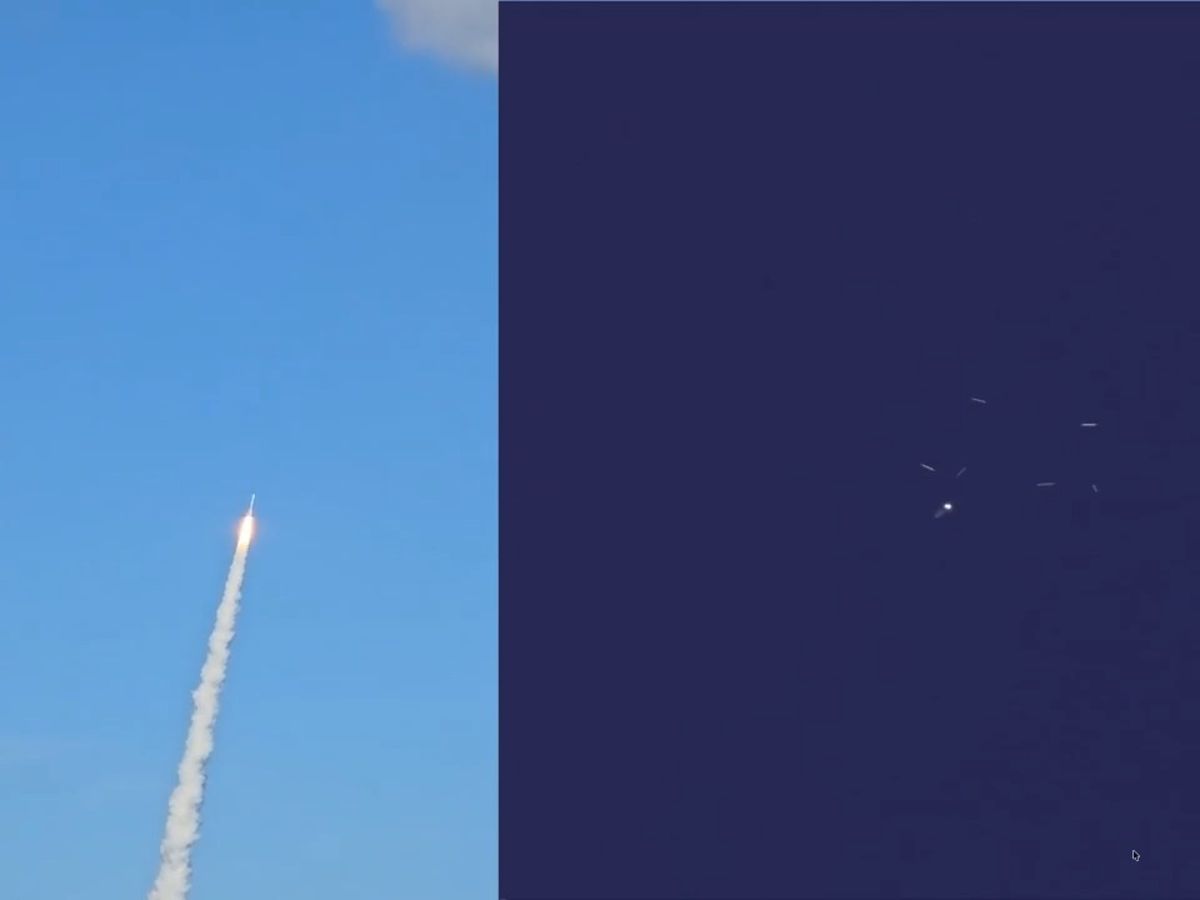
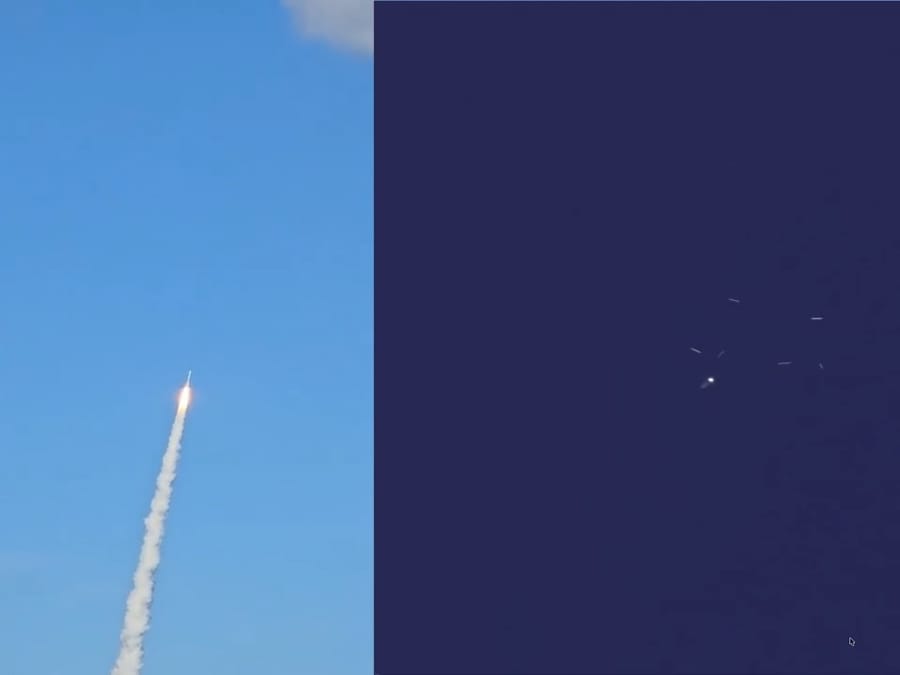
ULA, a joint venture of Boeing and Lockheed Martin, confirmed that the rocket experienced an anomaly in flight and that the mission was not completed. The exact cause has not yet been determined. The rocket launched from Space Launch Complex 41 at Cape Canaveral Space Force Station.
It is the first mission failure in the history of ULA, which has operated for about two decades and is one of the main launch providers for both commercial customers and the US defense establishment.
The mission carried particular weight for Amazon. It was the first launch of Leo satellites on a Vulcan rocket and was meant to open a large-scale partnership between the two companies. Amazon bought 38 Vulcan launches from ULA, which are set to carry more than 1,500 first-generation satellites into space.
The launch faced repeated delays. The original attempt on Friday, November 13, was postponed because of a gaseous nitrogen supply problem at an infrastructure facility that supports launch operations. On Saturday, a communications problem between the ground systems and the rocket forced another delay. On Sunday, with the countdown underway, launch crews halted the process about 20 seconds before liftoff because of an unspecified technical issue. After adjustments, the countdown resumed and the rocket lifted off at 12:40 p.m. Eastern Time.
An initial analysis of flight data pointed to irregularities. According to CBS, the rocket's first stage burned longer than planned, and its separation from the Centaur upper stage came later than expected. Unusual steering adjustments were also seen in the upper stage early in its operation. The data may help investigators, but no official determination of the cause has been released.
The failure comes against the backdrop of the Vulcan's technical history. The roughly 66-meter rocket had not flown for about nine months after problems were found with the nozzles of its solid rocket boosters on two earlier flights. ULA made engineering changes and took steps to prevent a recurrence, and the US Space Force held off on national security missions using the rocket until the required reviews were completed.
Amazon also faces a broader challenge in building a satellite internet network to compete with Elon Musk's Starlink. The company plans more than 3,200 satellites in low Earth orbit and relies on several launch providers, including ULA, Blue Origin, Europe's Ariane 6 and SpaceX. Blue Origin has had its own setbacks, as a rocket explosion set back Jeff Bezos's company for months.
The 40 lost satellites would have brought the total number launched for the project to 436. Amazon must now deal with the loss and its effect on the launch schedule. ULA will need to complete a technical investigation before deciding how and when the Vulcan will fly again.
ULA said it will work with Amazon and the relevant authorities to identify the source of the failure and develop corrective steps. "Every flight generates data, and every flight teaches us something," the company said in a statement. It added that because the incident had happened only a short time earlier, it did not yet have enough technical information to explain exactly what went wrong.
צילום: Footage: Social media, used under Section 27A of Israel's Copyright Law