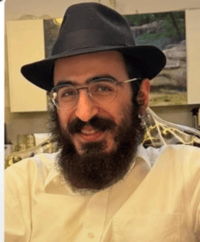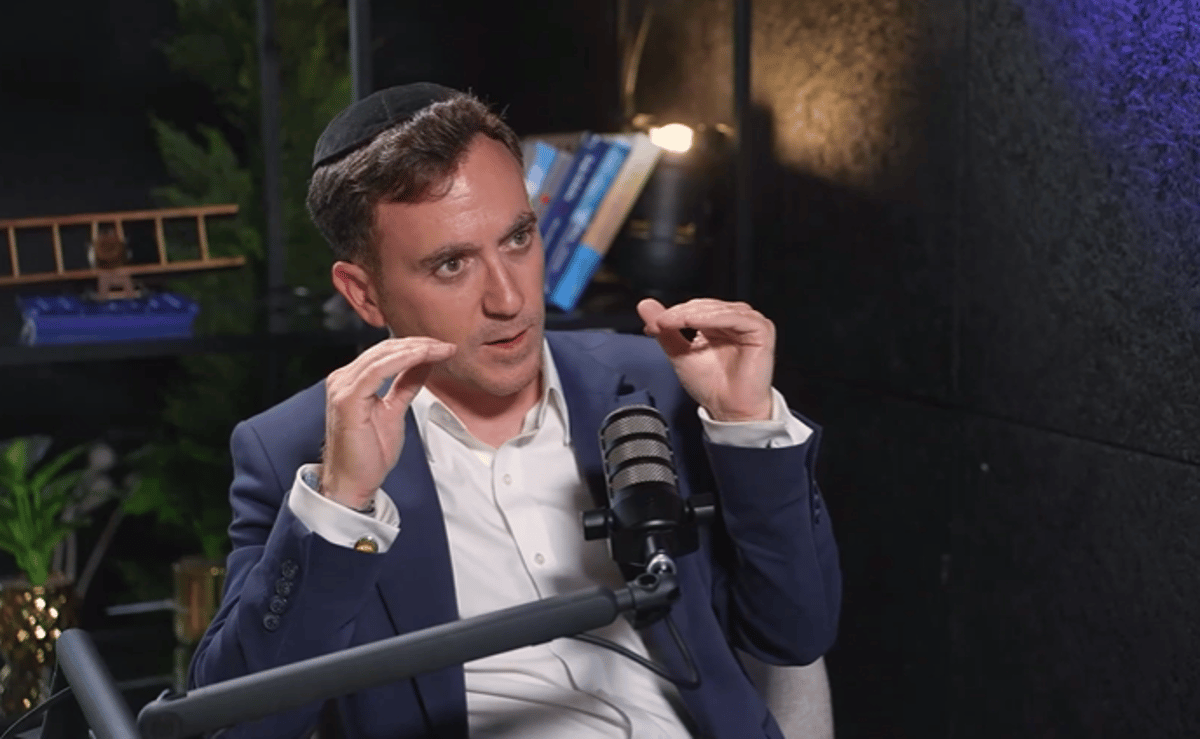
At 38, Rabbi Yosef Garmon's résumé reads like adventure fiction. He has visited over 150 countries, served as chief rabbi in Colombia and Guatemala, and commanded ZAKA disaster response teams at earthquake sites across Turkey, Syria, and Latin America. Yet in a recent interview on the Kikar FM podcast with host Eli Gotthelf, what struck the interviewer most was Garmon's unusual serenity, a man who spends over 100 hours monthly in the air, yet never checks his watch anxiously or fidgets with his phone.
The explanation lies in Garmon's unconventional operational model. He founded the Humanitarian Coalition, a global rescue and aid organization that defies corporate logic. "It's a very interesting organization because it doesn't work like a regular organization," Garmon explains. "We don't have bank accounts. We don't collect money. People always ask, 'Where do we donate?' We don't collect money, and that brings transparency and a lot of power."
This model allows him to operate at lightning speed, relying solely on human networks, local social capital, and pure volunteerism from experts and physicians, unburdened by financial bureaucracy.
When Gotthelf pressed for a real-world example, Garmon described the recent earthquake in Colombia. He happened to be in the area for a presidential inauguration, and within hours of the tremor, his local volunteers were deployed with vests. "People are sometimes in shock," he says with a thin smile.
The speed generated extreme reactions: while local doctors mobilized en masse and businesspeople donated building materials for reconstruction, antisemitic conspiracies began circulating online. One Colombian scholar even posted a video explaining how Garmon himself "caused" the earthquake, since he always appears first at disaster scenes, "like a gray-shirt Liran of disasters," as Gotthelf jokingly puts it.
But Garmon doesn't get rattled by the noise. For him, the field speaks for itself. The ability to mobilize tons of humanitarian equipment and dozens of Muslim, Christian, and Buddhist doctors under a banner identified with Israel produces a dual result: saving lives and building goodwill toward Israel. "I alone can't do anything, but if all of you together—we can do everything," he tells his activists. This absolute delegation of authority, trusting local leaders rather than micromanaging every detail, enables him to manage this sprawling network from a place of deep inner calm.