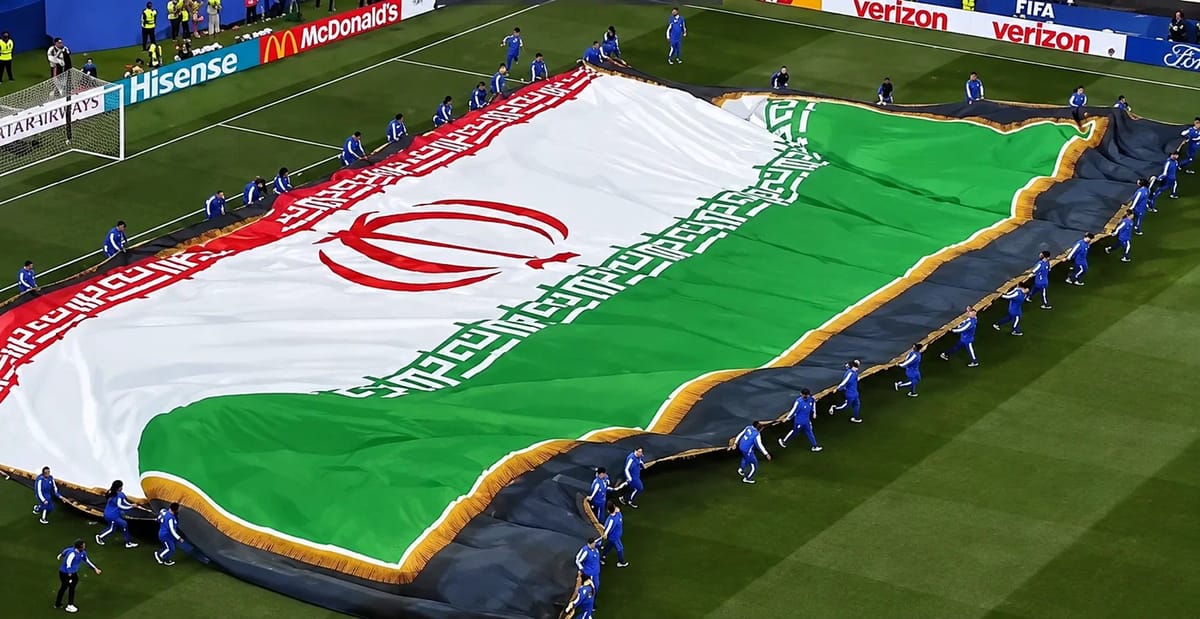
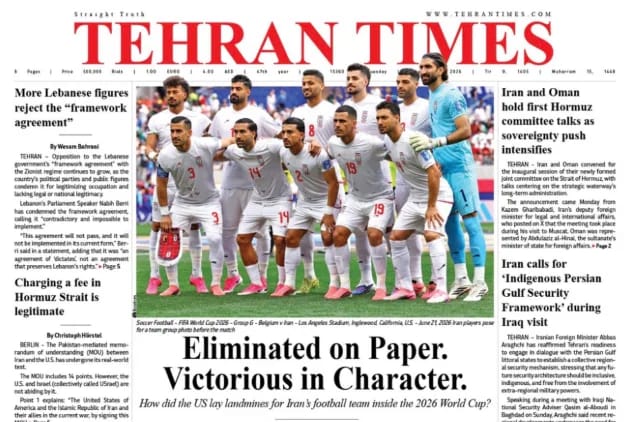
The Tehran Times did not attribute the loss to any shortcoming on the part of the players, instead presenting it as the product of extraordinary preparation conditions and the logistical and political difficulties that trailed the squad throughout its time on North American soil, including flight complications and rigid border procedures.
Those difficulties were real. During the tournament, Iran's coach Amir Ghalenoei and players complained about numerous complications, including travel restrictions, visa denials for support staff and quick departures from the United States after matches, though US officials maintained that all restrictions were known before the tournament began. For the team's first two matches, played near Los Angeles, the squad was not permitted to travel until the day before each game and had to return to Mexico immediately afterward, before the United States eased its restrictions and allowed the team to travel to Seattle two days ahead of its final match against Egypt.
What stands out, though, is how seamlessly the "defeat that is actually victory" narrative extends well beyond the soccer pitch and into the broader strategic messaging of the Islamic Republic. The Tehran Times piece reportedly linked the "resilience" shown by the national team to the country's wider posture under external pressure, pointing to the establishment of a committee to manage the Strait of Hormuz jointly with Oman, and to calls for a regional security framework in the Persian Gulf that excludes foreign forces entirely.
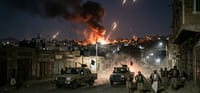
Even unrelated economic and diplomatic developments, such as the resumption of oil and gas drilling projects or President Masoud Pezeshkian's meetings with senior clerics in Qom regarding the unfreezing of Iranian assets, were folded into the same narrative of a nation standing defiant against a hostile world, according to the report. The tournament unfolded against the backdrop of a war that began on February 28, when the United States and Israel struck Iran, which retaliated with regional attacks and asserted control over the Strait of Hormuz, a conflict that has shadowed nearly every aspect of Iran's presence at the tournament, from stadium protests to diplomatic maneuvering.
The result is a regime that prefers to dwell on a narrative of proud resistance under pressure, attempting to transform its elimination from the competition into yet another display of supposed strength, far removed from the facts on the ground. The elimination itself was unambiguous. What Tehran chooses to call it is another matter entirely.