Lopes didn't respond. The message was in Portuguese, which he doesn't speak, and he assumed it was spam.
Nine months later, Águas tried again, this time in English. Lopes, then working part-time as a mortgage advisor at a bank while still playing professional football, realized what he had nearly thrown away. He accepted. He made his international debut for Cape Verde in 2019 in a friendly win over Togo, and he never looked back.
On June 15, 2026, Roberto "Pico" Lopes made his World Cup debut as Cape Verde faced Spain in their opening group game. On Sunday, he started at the heart of the Cape Verde defense as the Blue Sharks drew 2-2 with Uruguay in Miami, maintaining their unbeaten start to life at the 2026 World Cup. Cape Verde, making their first-ever World Cup appearance, have now drawn both of their opening group games.
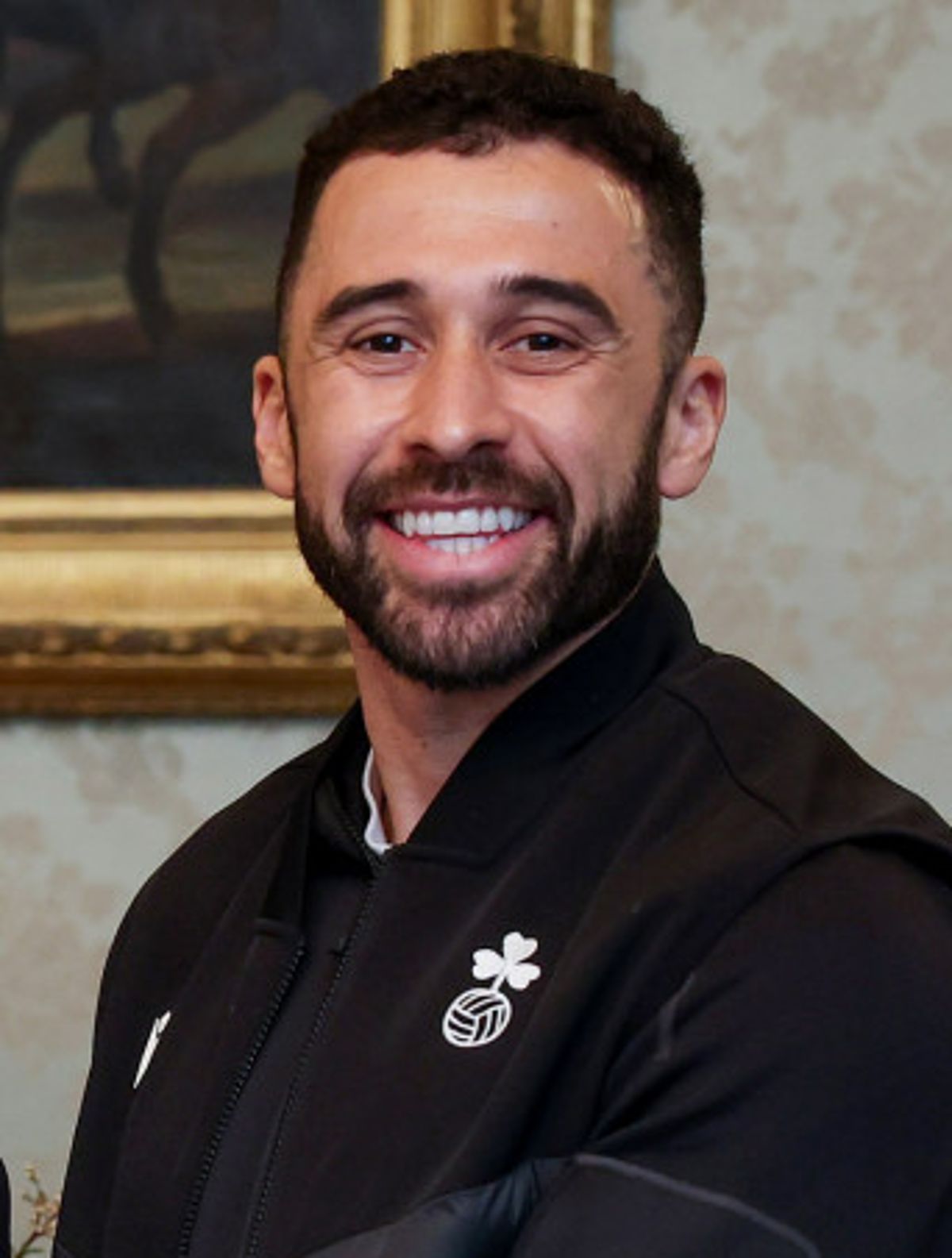
Born and raised in Dublin to an Irish mother and a Cape Verdean father, Lopes has been known his whole life by the nickname Pico, coined by his father. "Where my dad's from on the islands, the meaning of Pico is like 'strong man,'" Lopes has said.
Lopes represented the Republic of Ireland as a youth international before committing his senior future to Cape Verde. He is the only Ireland-born player at the tournament, and has described it as "nice to be able to represent the two countries at a World Cup."
His club story is equally remarkable. Lopes joined Shamrock Rovers in 2016 and has made more than 300 appearances for the club, winning four league titles and becoming captain after Ronan Finn's departure in 2024. In 2025, he captained Rovers to their first domestic double since 1987.
Cape Verde are the third-least populous nation to qualify for a World Cup in Finals history, behind only Curacao and Iceland, with a population of roughly 525,000, some 58 times smaller than their qualifying group rivals Cameroon, whom they pipped to top spot.
The LinkedIn message that almost went unanswered started all of it. It is, by any measure, one of the stranger origin stories in World Cup history, and one of the better ones.