A flight attendant does difficult work, and all honest work honors the person who performs it.
The attendant is caring by nature. He directs his surroundings, and there is something almost tragic in this disposition toward navigation and control. It makes him deeply human, divided between being a commander of men , a subordinate of rules, and a servant to the very people he commands.
He is expected to do all this with a straight back.
Perhaps the world would be more stable if it were made entirely of flight attendants. The flight attendant is a strange figure. He serves and he rules, choosing between the two in every situation, and he is expected to make that choice pleasantly.
This is why he appears so composed in every interaction. Like Plato’s guardian, he always acts according to the rules. Unlike the guardian, however, he is not asked for courage.
Does he tend to be a commanding attendant or a serving one? Has he internalized his role of service to the level of self cancellation, like Sartre’s waiter, or does he transform himself into the master of the passenger?
The question becomes unavoidable when we observe flight attendants on the ground. They dress and walk with theatrical confidence, as if they were movie stars working very hard at being movie stars. It is unclear why they are trying to impress the awkwardly dressed people in sweatsuits standing beside them in security lines, the same people to whom they will soon serve drinks and food.
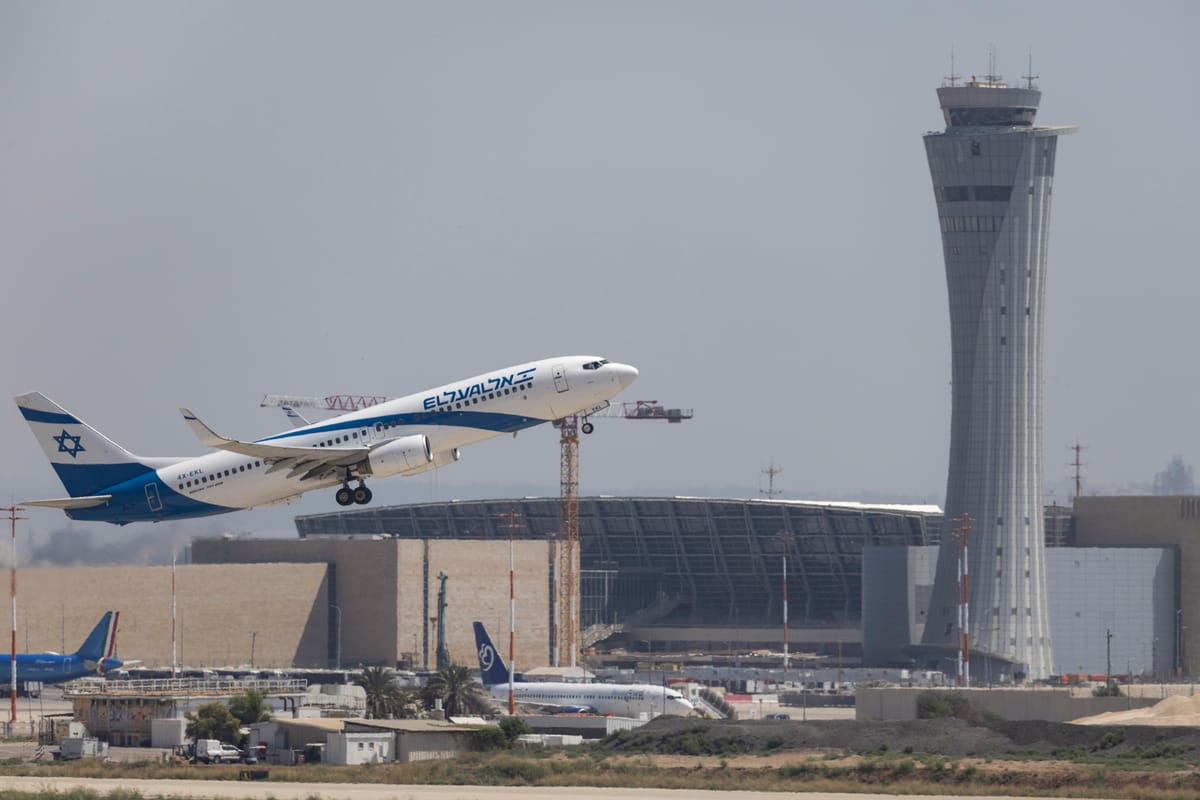
But the ground is their moment to shine. Here they enjoy total air superiority over the airport. Together with the pilots, who possess far greater technical skill, they become a victorious unit, a league above everyone else. We are merely extras in a film they star in and direct alongside the captain.
The pilot, because of the technical nature of the job, is generally a more sober and clear headed creature. Possessing a definite talent, the pilot has no need to display colorful feathers. After all, the pilot already has wings.
The dynamic changes inside the aircraft. Here the attendants serve and rule at once. Through personal whims or rigid regulations, they can introduce signs of mastery into the very space of service. Many flight attendants love the word precision. Serve precisely. Control precisely. Precision supposedly allows them to contain every layer of the role.
The problem is that there is no true precision in control and no true precision in service. Neither is a closed system. Both are always vulnerable to disruption.
Flight attendants sometimes raise their voices. In most cases, the attendant does not truly need to scold anyone. Yet although he is at the mercy of the passengers, who may rebel, he reminds everyone that beyond the authority of the air, he also has the police on his side if a passenger becomes unruly or violates procedure.
He does not need to be enslaved by procedure in order to subject others to it. He is the procedure itself, and procedure determines his relationship with the world.
This makes the hierarchy strangely paradoxical. What kind of master is himself subordinate to rules?
The flight attendant submits to a reality that is not entirely logical so that, within a system that is not always open to discussion, he may subordinate others to himself. Yet he too remains subordinate, to the captain and to the police, who will usually believe him more readily than they will believe a passenger.
Beyond the authority itself, it is difficult to identify any function the attendant performs, apart from that of an usher, that could justify such self importance or such an absurd position in the fabric of our lives.
The role contains many temptations. There is the uniform, the authority, and the fact that no extraordinary intelligence or talent is required. It is easy to turn order into a barrier between oneself and everyone else, and to use it to soothe the precise and aesthetic split at the heart of the role.
The flight attendant is therefore both supervisor and servant, while remaining subject to rules that, as a free individual, he might never enforce so harshly upon those placed beneath him. He is the ultimate bureaucrat. He arrives disguised as service and may become a tyrant at any moment, all in the name of everyone’s safety and comfort.
And still, what is the secret of the strange yet entirely predictable appeal of this policeman who serves food in the sky?