
The Credibility Trap

Tehran's Impossible Choice

Iran convenes emergency security meeting after Israel defied Tehran's red line on Dahiyeh strikes • Regime faces credibility crisis as promised retaliation risks devastating Israeli response | The strategic dilemma (Middle East)

Tehran's Impossible Choice

Iran's Islamic regime finds itself cornered in a strategic trap of its own making after Israel struck Hezbollah command posts in Beirut's Dahiyeh district Sunday, defying explicit Iranian warnings that such attacks would trigger direct missile retaliation from Tehran. The dilemma now facing Supreme Leader Ali Khamenei and his military command is stark: launch the promised strike and face devastating Israeli countermeasures, or remain silent and watch the regime's carefully cultivated deterrence credibility collapse across the region.

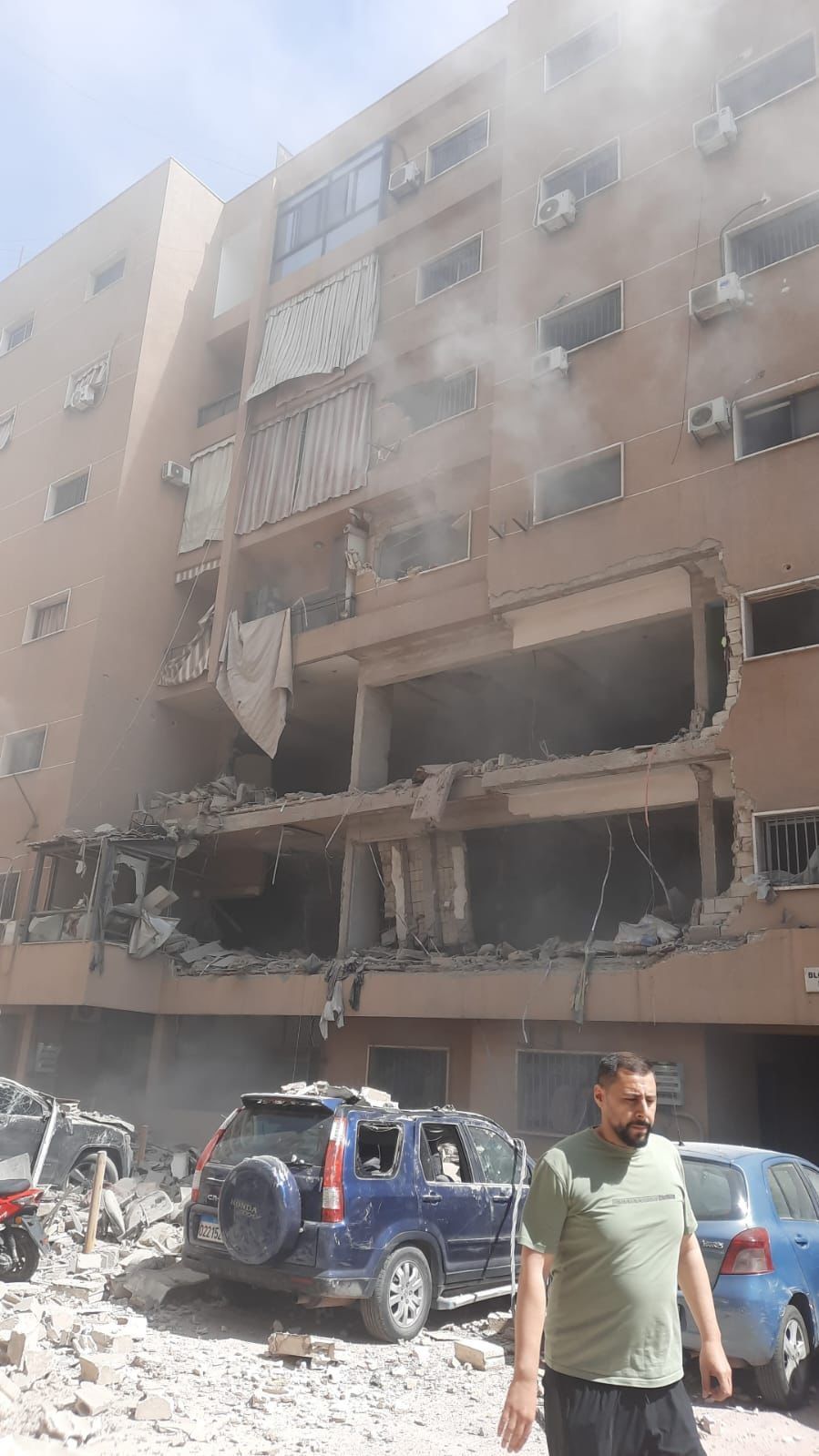
According to intelligence assessments reported by Channel 12 News, Iran issued an unambiguous warning several days ago declaring that any Israeli strikes on Dahiyeh, the densely populated Hezbollah stronghold in southern Beirut, would be met with a direct missile response from Iranian territory. Israeli defense officials are now working to determine whether that threat remains active following Sunday's operation, which saw three missiles strike two apartment buildings housing terrorist command infrastructure.

The uncertainty centers on a critical question: was Iran's warning time-limited to a specific window, or does it represent an ongoing red line that Tehran must now enforce to maintain credibility? Israeli security officials acknowledge they don't have a definitive answer, leaving defense systems on heightened alert while the regime in Tehran convenes emergency sessions to chart its next move.

Emergency Deliberations in Tehran

Iranian state media confirmed Sunday that the Supreme National Security Council, the regime's highest decision-making body on military and strategic matters, convened an emergency session in response to the Israeli strikes on Dahiyeh. According to reports from Iranian-linked sources, the meeting was conducted in a limited or virtual format, suggesting the regime had pre-positioned contingency plans under its "unity of the Resistance fronts" doctrine.

The SNSC, which operates under the direct authority of figures aligned with Supreme Leader Khamenei, is tasked with assessing the situation and coordinating potential responses through Iran's network of regional proxy forces. The regime's propaganda apparatus has already begun framing the deliberations as evidence of Iran's strategic depth and coordination capabilities, though the actual content of the discussions remains closely guarded.

The timing of the emergency session reveals the pressure Tehran faces. Just days earlier, state-aligned Iranian media outlets had celebrated what they portrayed as a major deterrence victory, claiming their explicit warnings had successfully forced the White House to intervene and prevent planned Israeli strikes on Beirut. Conservative newspapers ran triumphant headlines declaring that Iran's threats could "effectively restrain Israel" and dictate battlefield boundaries.

Israel Strikes Hezbollah Command Posts in Beirut's Dahiyeh

The Deterrence Paradox

That narrative now lies in ruins. Israel's decision to proceed with the Dahiyeh strikes, carried out with explicit authorization from Prime Minister Benjamin Netanyahu and Defense Minister Israel Katz, demonstrates that Iranian threats failed to establish any meaningful red line. The move signals Jerusalem's willingness to call Tehran's bluff, calculating that the regime's options for retaliation are constrained by the risk of triggering a devastating Israeli response that could target Iran's nuclear facilities, military infrastructure, or energy sector.

For Iran, the calculus is brutal. Launching the promised missile strike would fulfill the regime's public commitment and potentially restore some measure of deterrence credibility. But it would also invite an Israeli counterstrike that could inflict catastrophic damage on Iranian strategic assets. IDF Chief of Staff Lt. Gen. Eyal Zamir has already announced approval of operational plans to "further deepen the blow to Hezbollah," and Israeli defense officials have made clear that any Iranian attack would trigger a response far exceeding previous exchanges.

The alternative — remaining silent and allowing the threat to expire without action — carries its own strategic costs. Across the Middle East, regional actors closely watch whether Iran can enforce its declared red lines. Failure to respond would signal to adversaries that Tehran's threats are hollow, potentially emboldening Israel to expand operations against Iranian interests throughout the region. It would also undermine Iran's standing among its proxy network, raising questions about whether the regime can protect its most valuable asset: Hezbollah's command structure in Lebanon.

IDF attacks Hezbollah targets in the Dahiyeh

Regional Implications

The crisis unfolds against the backdrop of a rapidly deteriorating U.S.-brokered ceasefire in Lebanon. Sunday's Israeli strikes came hours after Hezbollah fired two rockets toward northern Israel, which were intercepted by air defense systems. Netanyahu and Katz framed the Dahiyeh operation as a direct response to ongoing ceasefire violations, establishing a pattern of escalation that leaves little room for de-escalation.

Israeli defense officials are now gaming out multiple scenarios. If Iran does launch missiles, the question becomes whether Tehran will opt for a limited symbolic strike designed to satisfy domestic audiences while minimizing Israeli retaliation, or a more substantial attack that risks spiraling into full-scale conflict. Previous Iranian missile barrages against Israel have been largely intercepted by advanced air defense systems, raising doubts about whether Tehran can inflict meaningful damage even if it chooses to act.

The regime's propaganda machine is already working to manage expectations. State media outlets have begun emphasizing Iran's "strategic patience" and "calculated responses," language that could provide cover for inaction while preserving the narrative of strength. But the window for such messaging is narrow. The longer Iran delays, the more its silence will be interpreted as weakness rather than restraint.

For Israel, the gamble is clear: by striking Dahiyeh despite Iranian warnings, Jerusalem has tested whether Tehran's threats carry real weight or merely serve as rhetorical deterrence. The answer will shape the trajectory of the broader regional conflict and determine whether Iran can maintain its role as the axis of resistance or whether its influence is beginning to erode under sustained Israeli pressure.

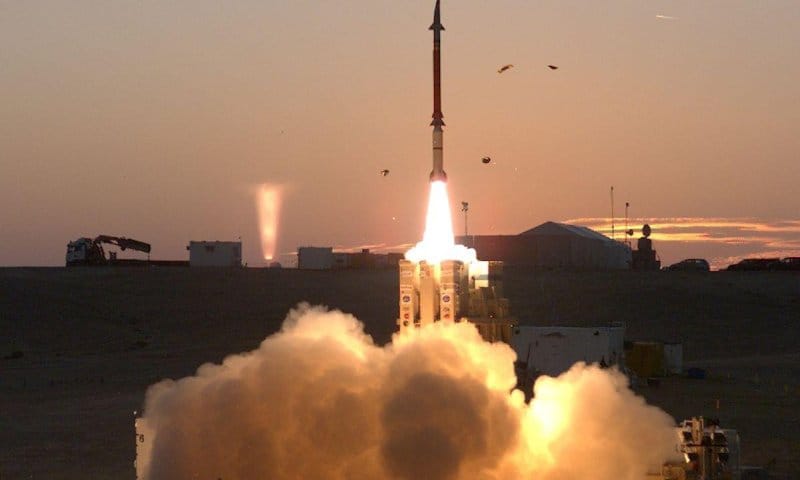
Iron Dome
Iron Dome (Photo: IDF Spokesperson)

As Israeli defense systems remain on heightened alert and Iranian security officials deliberate behind closed doors, the Middle East watches to see whether Tehran will choose the path of retaliation or the path of strategic retreat. Either choice carries profound consequences, not just for the immediate conflict, but for the balance of power across the region.

Ready for more?

Join our newsletter to receive updates on new articles and exclusive content.

We respect your privacy and will never share your information.