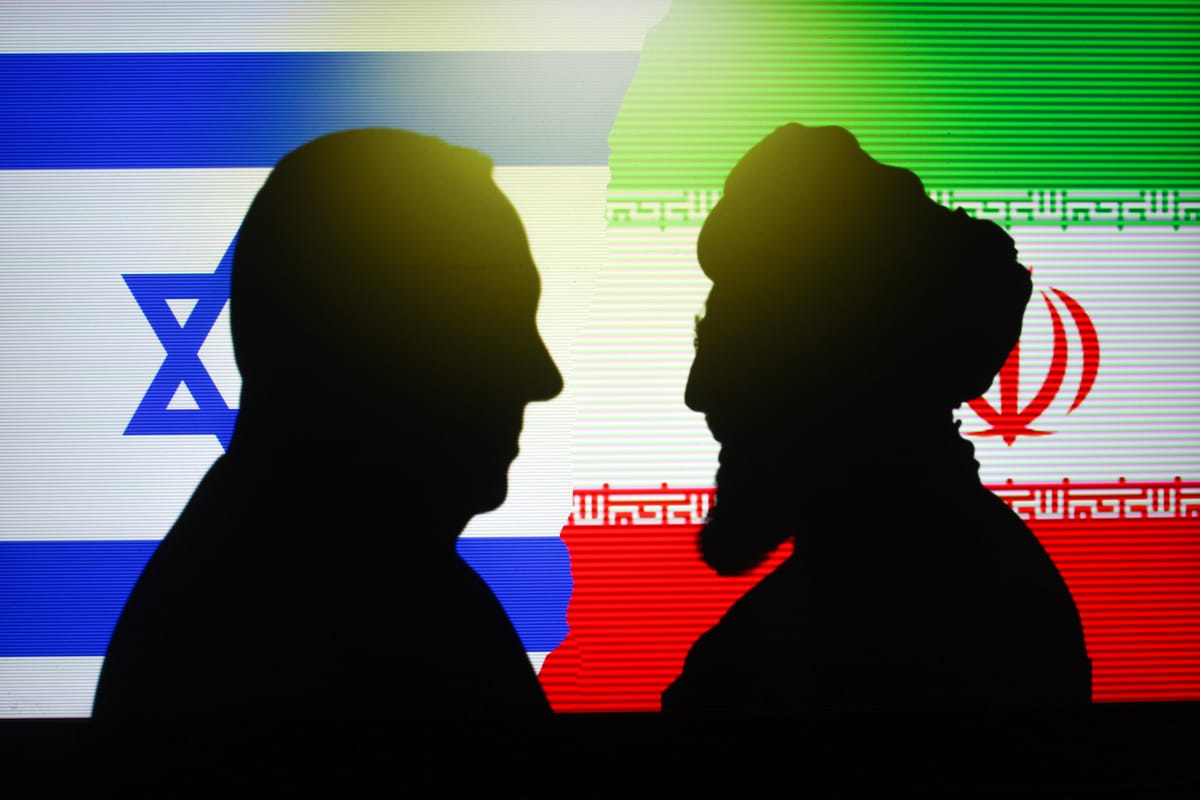
Tensions between Israel and Iran remain critically high following their 12-day war in June 2025, a conflict sparked by Israel's preemptive strikes on Iran's nuclear facilities and military targets.
Both sides are gearing up for what analysts call a likely resumption of hostilities, as Iran rebuilds its nuclear program and missile arsenal more quickly than anticipated, while Israel keeps a close watch and prepares for further action.
The Context of the Recent War
The June 2025 conflict, named "Operation Rising Lion" by Israel, stemmed from fears over Iran's nuclear progress. Israel pointed to IAEA reports showing a uranium stockpile sufficient for up to nine nuclear warheads as reason for the attacks. The war featured Israeli airstrikes on sites like Esfahan, missile volleys, and U.S. involvement under President Trump, who considered deeper military engagement. A ceasefire took effect on June 23, 2025, but it remains unstable, seen by both as a brief halt rather than a lasting peace. Damage to Iran's infrastructure was substantial yet not complete, enabling Tehran to hold onto material for potentially 11 bombs and pursue hidden nuclear activities.
Israel's Preparations
Reports from Israeli officials and media reveal plans for an extended confrontation: A senior Israeli figure has expressed intent to overthrow the Iranian regime by the end of Trump's term in 2029, readying for a war that could extend well beyond 12 days.
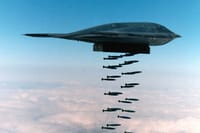
Israel is tracking Iran's missile output, which might allow for launches of over 2,000 rockets simultaneously to challenge defenses. In turn, Israel is bolstering its air defenses, intelligence, and offensive capabilities, with targets including Iranian nuclear sites, missile systems, drone operations, and Persian Gulf naval bases.
Assessments indicate preparations for threats on multiple fronts: Iranian-supported groups in Iraq launching missiles and drones, and advances through Syria toward the Israel-Jordan border. Hebrew media stresses a "much more severe" response than before, with security forces on high alert for a prolonged effort.
Israel is supporting insurgent efforts in southeastern Iran, combining groups like Jaish al-Adl to form a counter "ring of fire" strategy, similar to Iran's proxy approach.
Defense Minister Israel Katz has stated that Israel will strike again if provoked, while JINSA experts praise Israel's performance in the last war as a basis for future operations.
Iran's Preparations
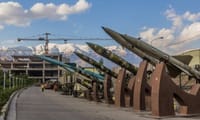
Iranian leadership is intensifying its efforts, expecting another clash:Iran asserts its missile capabilities now surpass pre-war levels, producing over 200 missiles monthly with advanced equipment and solid fuel components. The IRGC reports a 40% increase in preparations compared to the previous conflict.
Tehran is supplying proxies such as Hezbollah and Syrian militias for joint attacks on Israel, while reviewing naval forces in the Persian Gulf to maintain control against potential U.S. or Israeli moves. Top officials see war as imminent and are pursuing Russian laser defenses.
Iran's Defense Minister has warned of a "much stronger" response if fighting resumes, underscoring their readiness to engage.
Internal suspicions are rising, with arrests of aides to Supreme Leader Khamenei over alleged U.S. connections.
Sources from Iran and analysts suggest a strategy of massive missile strikes to overwhelm Israel, potentially inflicting significant damage to aircraft, drones, and defenses in a short time.
Analysts from the New York Times and Jerusalem Post caution that delays could heighten risks from Iran's countermeasures, calling for readiness in the face of an "all but inevitable" war. The Quincy Institute and European Union Institute for Security Studies point to the danger of U.S. involvement, which might widen the conflict regionally.
On platforms like X, conversations show growing concern, with shares of reports on Iranian weapon shipments to Hezbollah and Israeli warnings of multi-front risks.This situation is evolving, monitored by groups like the Institute for the Study of War (ISW), which note ongoing preparations.
Although no immediate fighting is evident, strategic factors, Israel's ongoing concerns with Iran's nuclear efforts and Tehran's proxy expansions, point to possible resumption soon, perhaps by late 2025 or early 2026. U.S. policy under Trump, including potential aid, is a critical element.
Khamenei has made plenty of threats: Although Iran managed to cause some damage to Israel during the 12 day-war, it was minimal and Iran was left throughly ashamed. Despite their internal crises including a devastating drought, they are eager and ready to reclaim their 'good name'.
Israel, on the other hand, is tired of waiting around, but is still fighting wars on seven fronts, with more popping up all the time. It's constantly aware of the challenges and monitors developments in Iran like a hawk, but it's not hurtling towards war at this time.